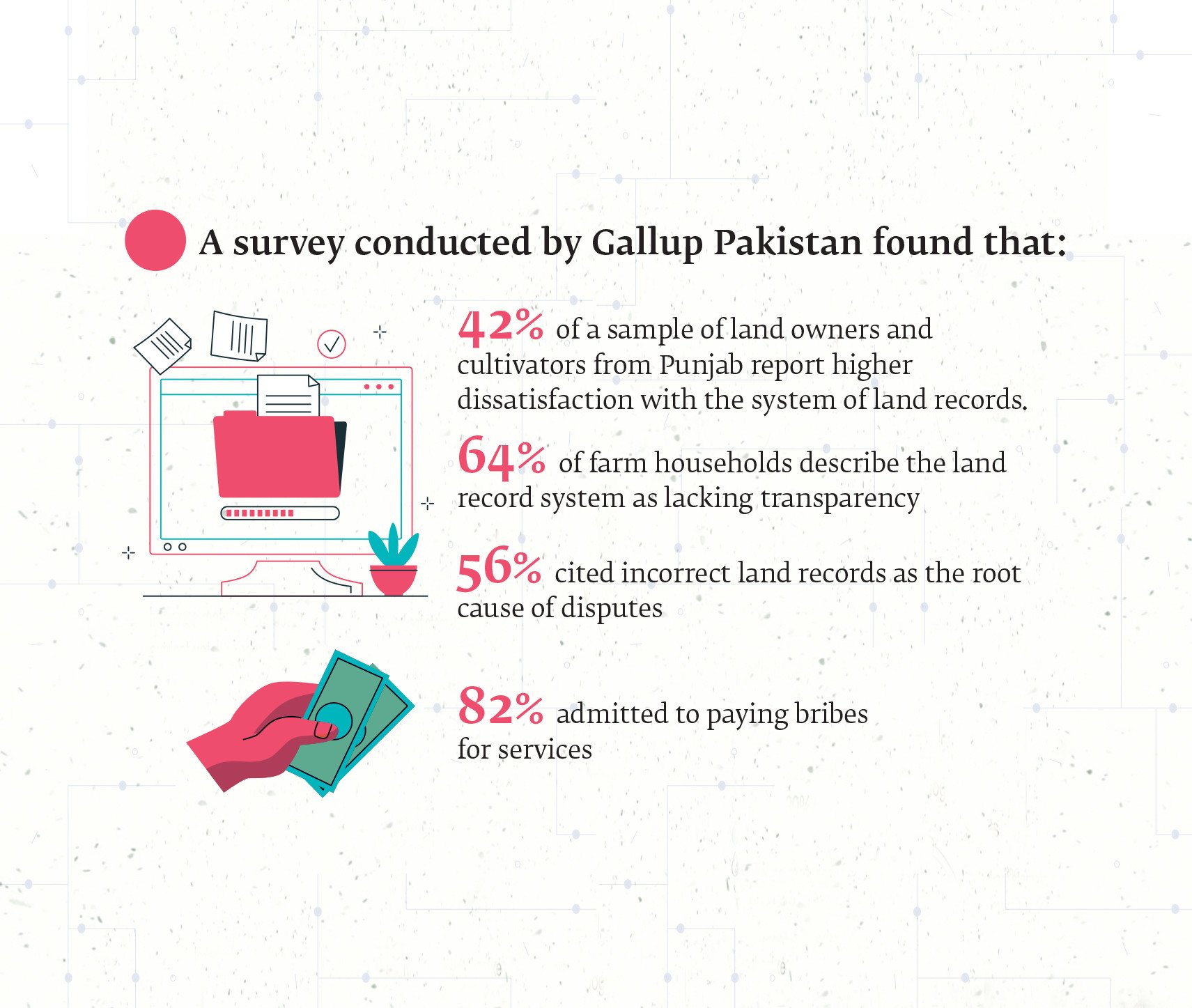
In the heart of Pakistan’s bustling cities and sprawling rural landscapes lies a persistent challenge that has long stifled economic growth and social stability: land management. For decades, the system has been mired in inefficiencies, corruption, and outdated colonial-era practices, leaving millions frustrated and the nation’s economic potential untapped.
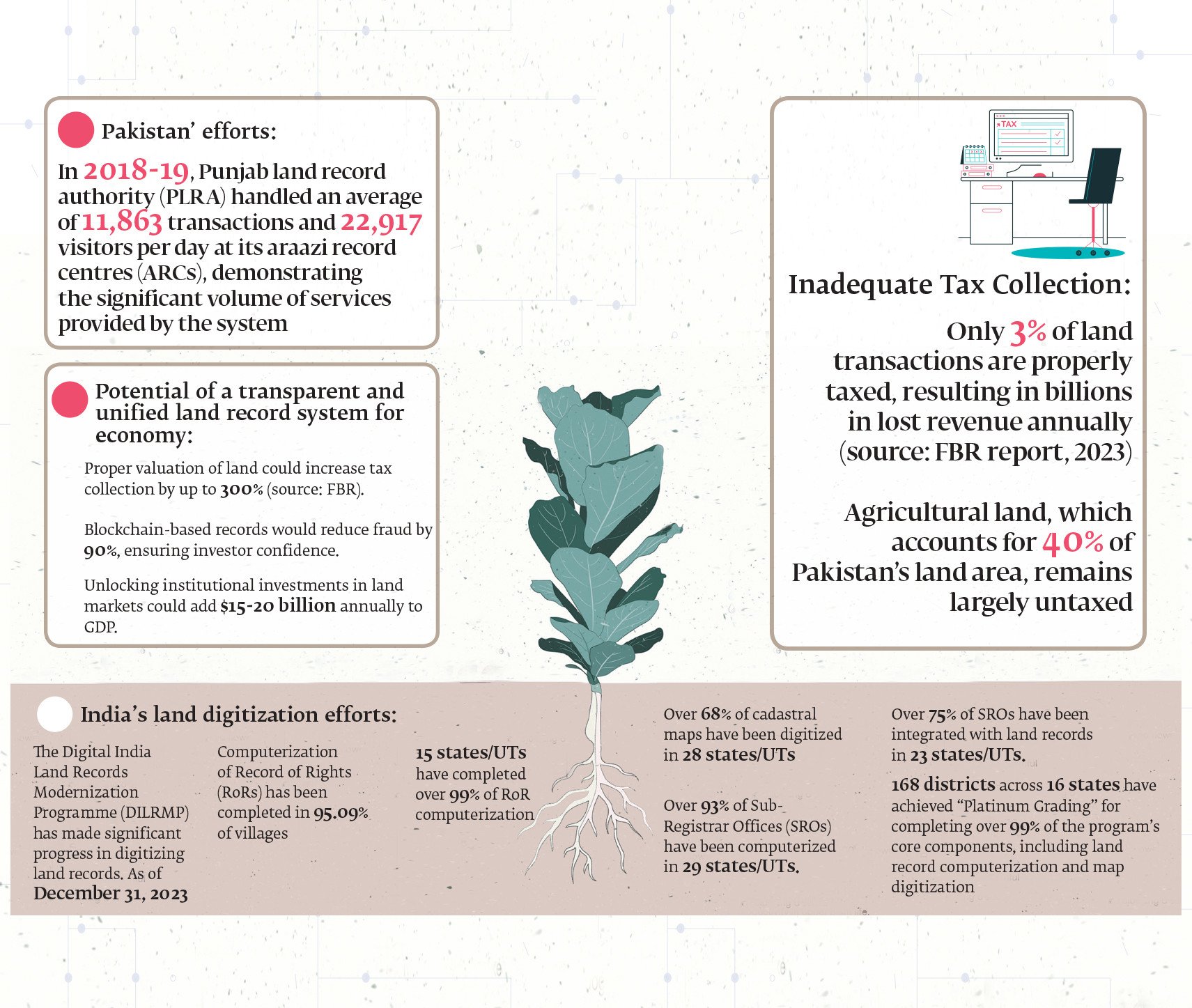
Efforts to modernize this convoluted system have been made, notably through initiatives like Punjab’s Land Record Management Information System (LRMIS). However, these efforts remain fragmented and limited in scope. The slow pace of digitization and the continued reliance on manual records mean that the full benefits of these initiatives are yet to be realized. According to a recent article in The Express Tribune, the ongoing challenges in land ownership and management are a significant hurdle to Pakistan’s progress.
Blockchain: A Beacon of Hope
Amidst these challenges, blockchain technology emerges as a promising solution. Known for its secure and transparent nature, blockchain could revolutionize land management in Pakistan by ensuring clear and immutable land titles. This technology has the potential to reduce corruption and fraudulent transactions, offering a path towards a more efficient and equitable system.
International examples provide a blueprint for success. Georgia’s blockchain land registry, for instance, has been hailed as a triumph in transparency and fraud prevention. By storing land records on an immutable digital ledger, Georgia has effectively eliminated disputes arising from document manipulation. This model offers valuable lessons for Pakistan, highlighting the transformative potential of blockchain in governance.
Challenges and the Road Ahead
Despite its promise, implementing blockchain in Pakistan is not without challenges. Political resistance, bureaucratic inertia, and a lack of technical expertise pose significant hurdles. Moreover, vested interests benefiting from the current system’s opacity are likely to oppose such reforms. Overcoming these obstacles will require strong political will and collaboration across federal and provincial levels.
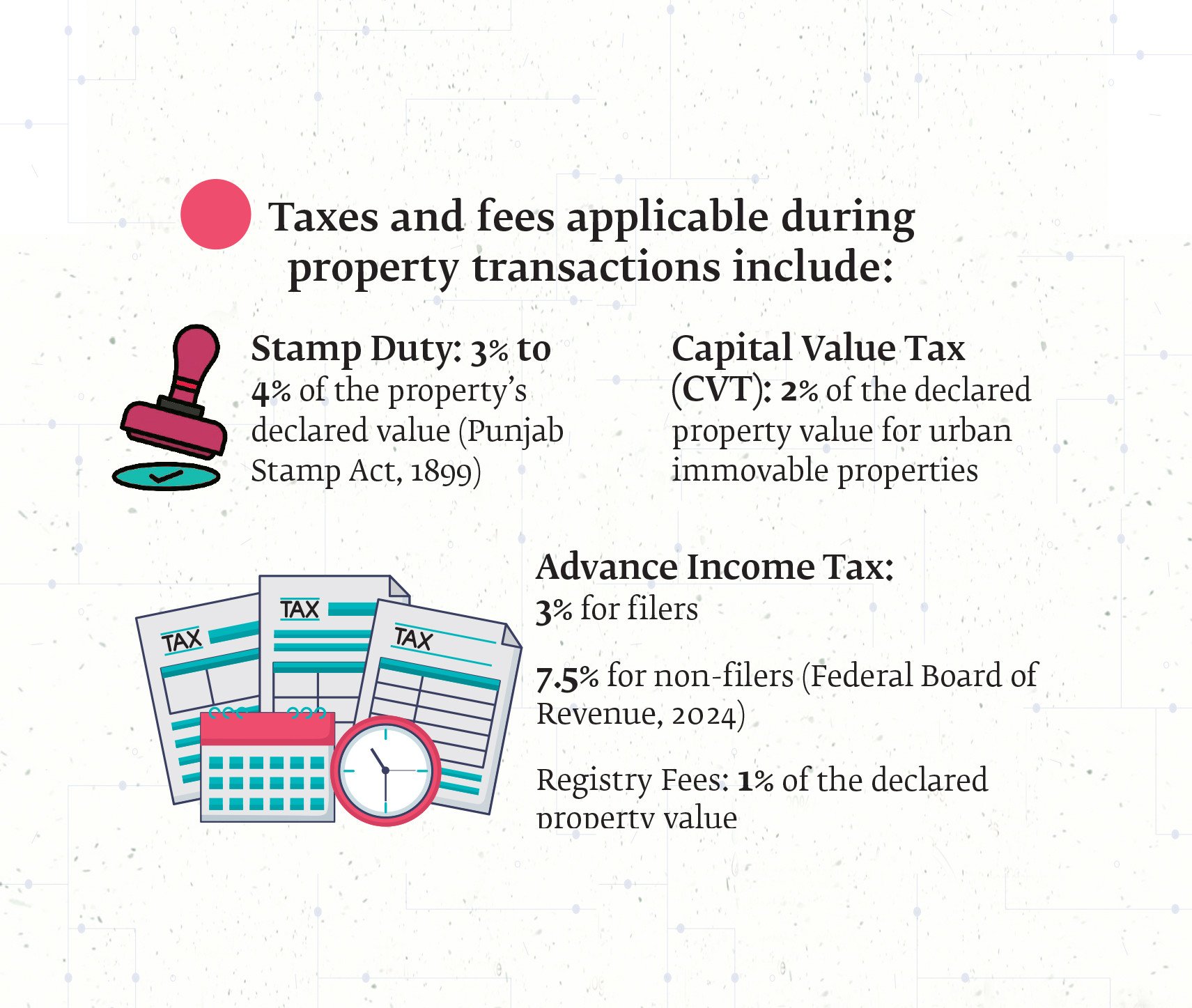
To pave the way for blockchain adoption, Pakistan must first consolidate existing digitization efforts, integrating provincial databases into a unified national platform. Legislation should standardize land valuation methods, eliminating disparities and closing loopholes that allow tax evasion. Public awareness campaigns will also be crucial in ensuring widespread adoption and trust in the new system.
Conclusion: A Call for Urgent Reform
The inefficiencies in Pakistan’s land management system have persisted for too long, hindering economic growth and legal transparency. However, with the right reforms and the adoption of cutting-edge technology, Pakistan has the potential to revolutionize its land administration. By learning from global examples and embracing blockchain’s capabilities, the country can unlock billions in economic value, boost investor confidence, and strengthen tax revenues.
The need for reform is urgent — Pakistan cannot afford to let its land management crisis continue unchecked. As highlighted in The Express Tribune, the time for action is now.
More Articles
Getting licensed or staying ahead in your career can be a journey—but it doesn’t have to be overwhelming. Grab your favorite coffee or tea, take a moment to relax, and browse through our articles. Whether you’re just starting out or renewing your expertise, we’ve got tips, insights, and advice to keep you moving forward. Here’s to your success—one sip and one step at a time!
Artificial intelligence is accelerating across the real estate industry, bringing new productivity platforms, smarter MLS systems, cleaner data tools, and AI‑powered consumer guidance. From United Real Estate’s BullseyeAI assistant to Zillow’s integration with Google NotebookLM and major MLS restructures, technology is rapidly reshaping how agents research properties, communicate with clients, and manage daily workflows. For future and current professionals, understanding these tools isn’t optional—it's becoming the new foundation for a competitive real estate career.
A sweeping Treasury Department rule has activated the first nationwide anti–money laundering requirements for residential real estate, forcing professionals involved in closings and settlements to report certain non‑financed property transfers. The move closes long‑standing loopholes that allowed criminals, corrupt officials, and foreign adversaries to hide illicit funds in U.S. housing. Backed by recent federal court decisions, the rule positions the U.S. as a global leader in financial transparency—and signals that commercial real estate may be next. For today’s real estate professionals, staying compliant is becoming just as essential as understanding the market itself.
United Real Estate has introduced BullseyeAI, a fully integrated AI platform designed to help agents cut overhead, automate daily tasks, and reclaim valuable time. Powered by a proprietary large‑language‑model system, BullseyeAI blends dashboards, navigation, voice commands, and automated assistants into one intelligent workspace. With AI agents like Sofie and Rosie managing client nurturing, recruiting workflows, marketing, data handling, and more, the platform marks a major leap toward faster, smarter productivity for real estate professionals.
Boynton Beach residents are reeling after a new city ordinance began issuing fines to homeowners for parking on their own property—unless the vehicle sits on an official driveway. The rule bans parking on grass or unpaved areas, shocking families who’ve parked the same way for years. With fines starting at 25 dollars per car and rising if unpaid, many residents say the sudden crackdown is unfair and financially burdensome, sparking a heated debate over property rights and local government authority.
From AI assistants like United’s BullseyeAI to MLS upgrades rolling out across the country, real estate professionals are entering a new tech‑driven era. This week’s highlights include smarter productivity tools, unified MLS systems, enhanced data access, and even AI‑powered buyer education through Zillow’s new NotebookLM partnership. Whether you’re a seasoned broker or preparing for your license exam, these innovations show how rapidly the industry is evolving—and why staying informed is becoming essential for success.
Artificial intelligence is rapidly moving from a helpful tool to a central force inside real estate transactions, MLS systems, and agent workflows. As AI reshapes everything from listing photos to data distribution, MLSs, regulators, and brokerages are racing to set clear rules that protect consumers and reduce legal risks. With new laws, updated agreements, and rising debates over who should regulate AI, the industry is confronting a defining moment—one that every current and future real estate professional must understand.