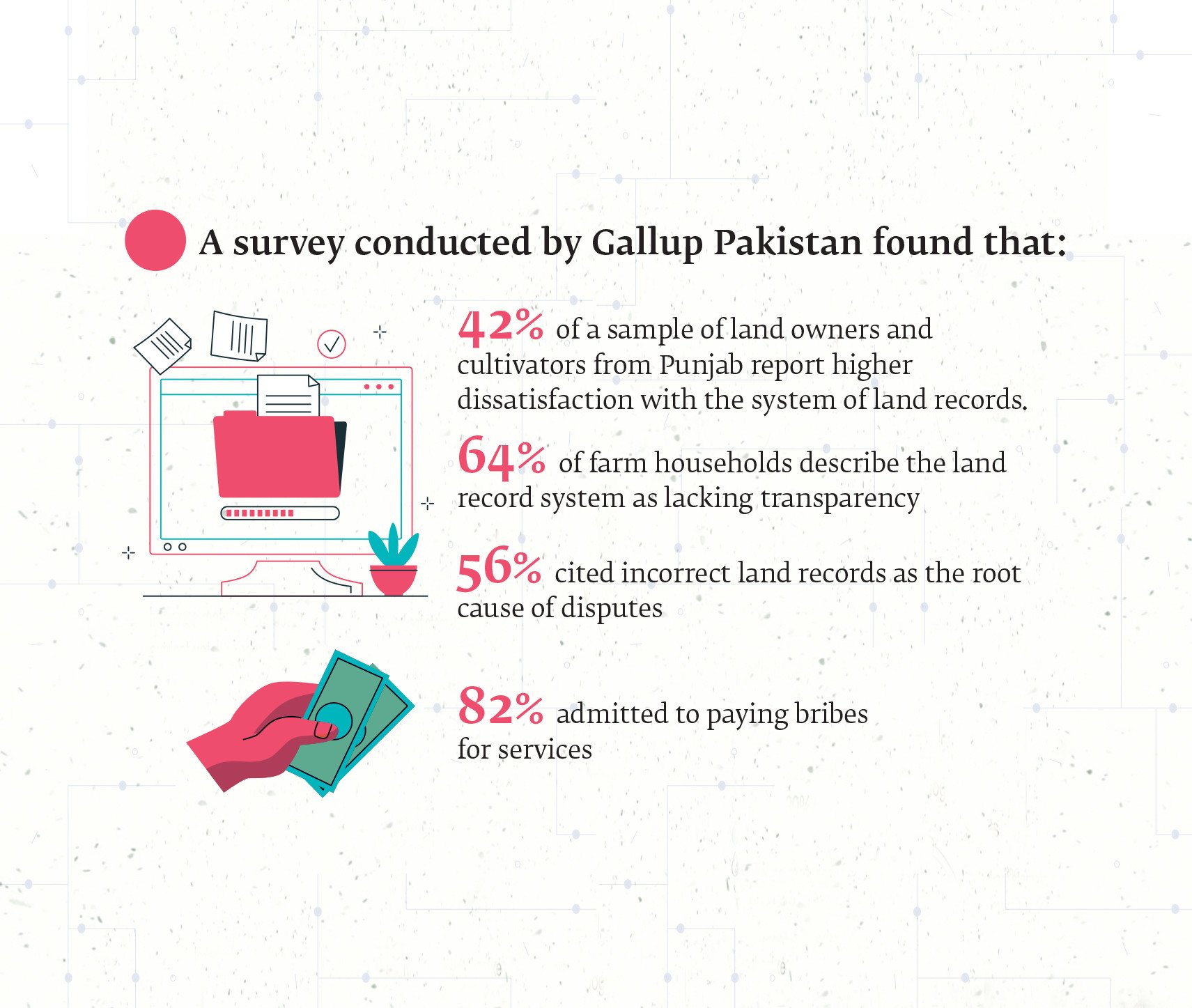
In the heart of Pakistan’s bustling cities and sprawling rural landscapes lies a persistent challenge that has long stifled economic growth and social stability: land management. For decades, the system has been mired in inefficiencies, corruption, and outdated colonial-era practices, leaving millions frustrated and the nation’s economic potential untapped.
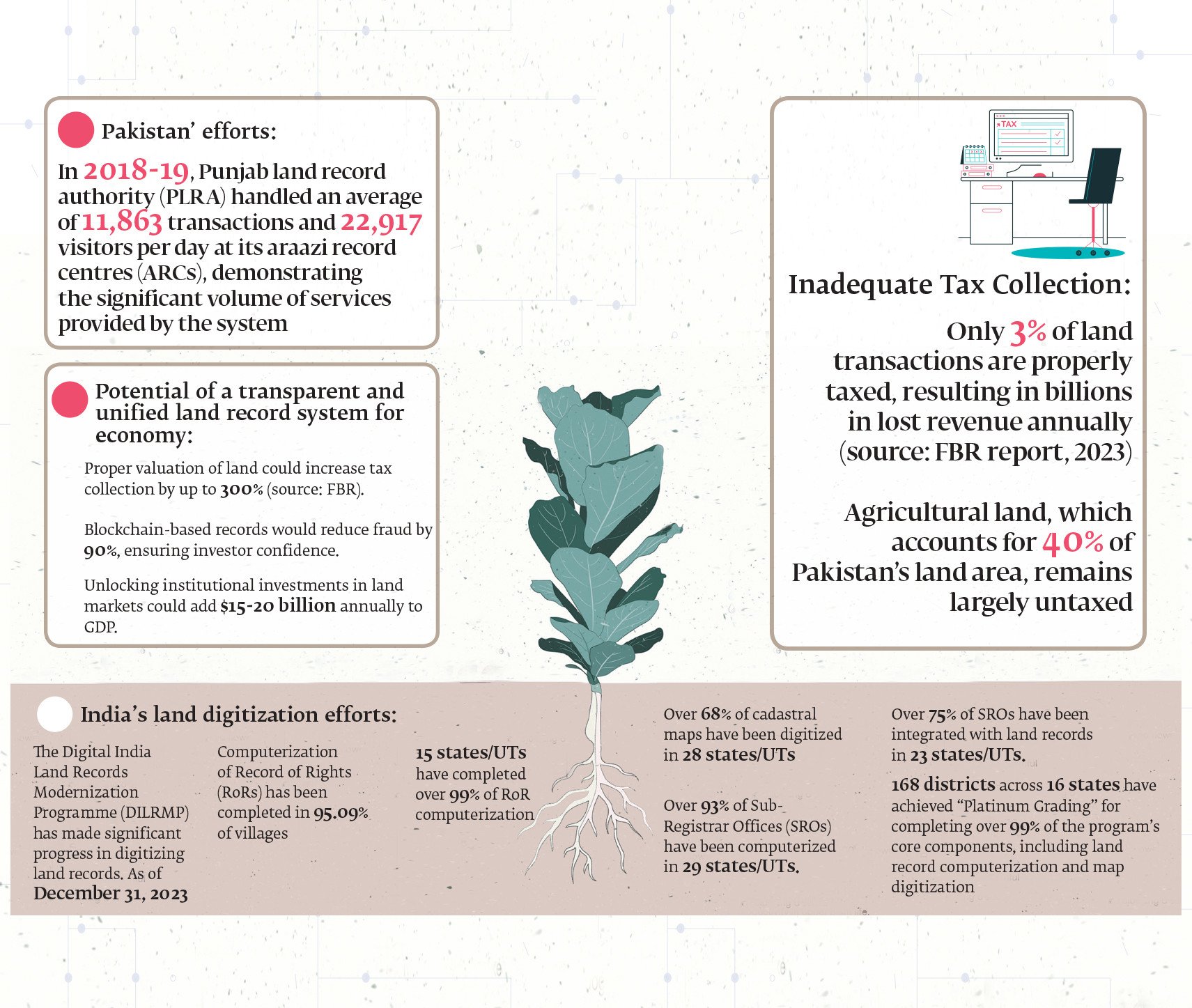
Efforts to modernize this convoluted system have been made, notably through initiatives like Punjab’s Land Record Management Information System (LRMIS). However, these efforts remain fragmented and limited in scope. The slow pace of digitization and the continued reliance on manual records mean that the full benefits of these initiatives are yet to be realized. According to a recent article in The Express Tribune, the ongoing challenges in land ownership and management are a significant hurdle to Pakistan’s progress.
Blockchain: A Beacon of Hope
Amidst these challenges, blockchain technology emerges as a promising solution. Known for its secure and transparent nature, blockchain could revolutionize land management in Pakistan by ensuring clear and immutable land titles. This technology has the potential to reduce corruption and fraudulent transactions, offering a path towards a more efficient and equitable system.
International examples provide a blueprint for success. Georgia’s blockchain land registry, for instance, has been hailed as a triumph in transparency and fraud prevention. By storing land records on an immutable digital ledger, Georgia has effectively eliminated disputes arising from document manipulation. This model offers valuable lessons for Pakistan, highlighting the transformative potential of blockchain in governance.
Challenges and the Road Ahead
Despite its promise, implementing blockchain in Pakistan is not without challenges. Political resistance, bureaucratic inertia, and a lack of technical expertise pose significant hurdles. Moreover, vested interests benefiting from the current system’s opacity are likely to oppose such reforms. Overcoming these obstacles will require strong political will and collaboration across federal and provincial levels.
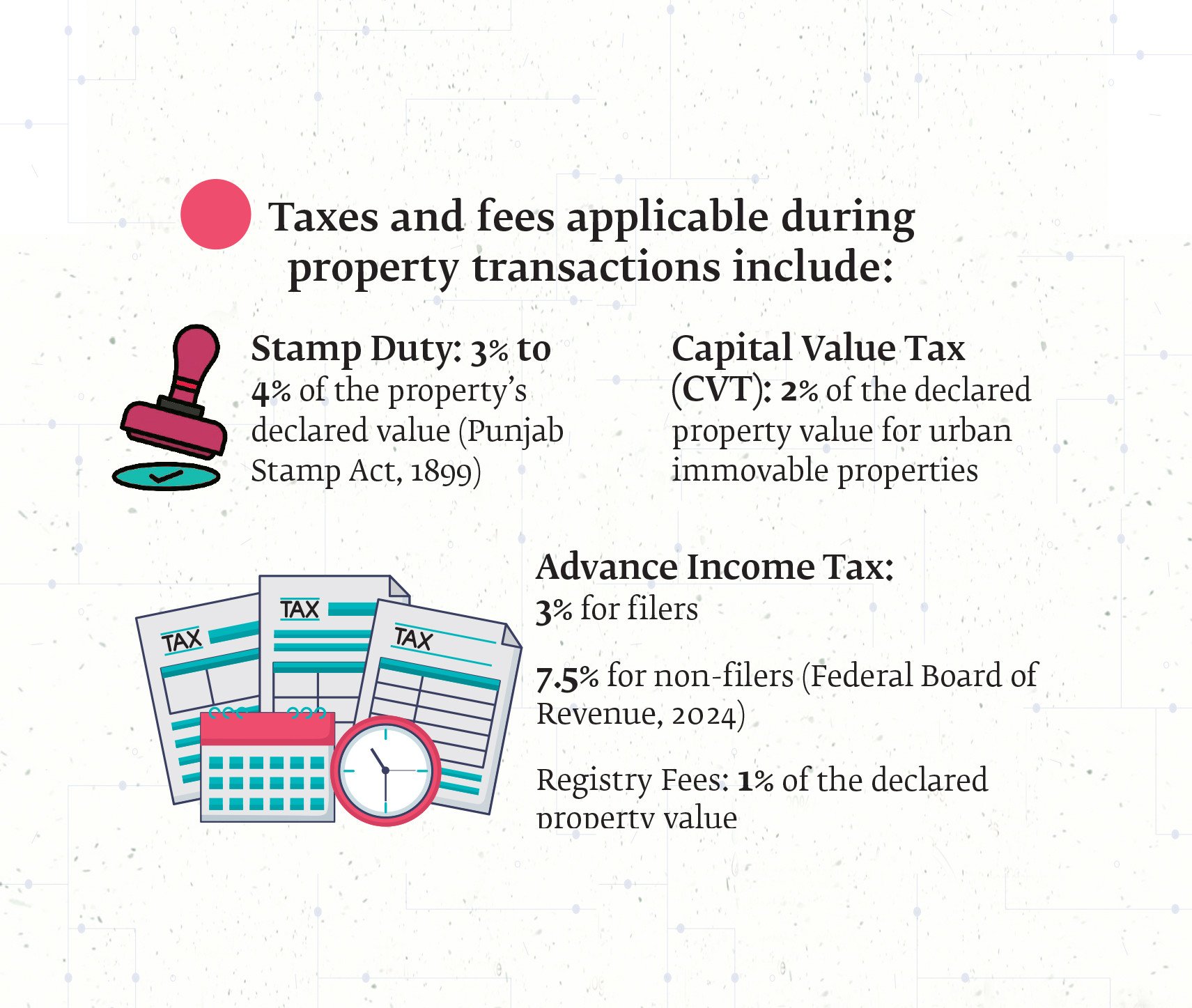
To pave the way for blockchain adoption, Pakistan must first consolidate existing digitization efforts, integrating provincial databases into a unified national platform. Legislation should standardize land valuation methods, eliminating disparities and closing loopholes that allow tax evasion. Public awareness campaigns will also be crucial in ensuring widespread adoption and trust in the new system.
Conclusion: A Call for Urgent Reform
The inefficiencies in Pakistan’s land management system have persisted for too long, hindering economic growth and legal transparency. However, with the right reforms and the adoption of cutting-edge technology, Pakistan has the potential to revolutionize its land administration. By learning from global examples and embracing blockchain’s capabilities, the country can unlock billions in economic value, boost investor confidence, and strengthen tax revenues.
The need for reform is urgent — Pakistan cannot afford to let its land management crisis continue unchecked. As highlighted in The Express Tribune, the time for action is now.
More Articles
Getting licensed or staying ahead in your career can be a journey—but it doesn’t have to be overwhelming. Grab your favorite coffee or tea, take a moment to relax, and browse through our articles. Whether you’re just starting out or renewing your expertise, we’ve got tips, insights, and advice to keep you moving forward. Here’s to your success—one sip and one step at a time!
Artificial intelligence has shifted from futuristic idea to everyday assistant for real estate professionals. Instead of replacing agents, AI now enhances their workflows—automating repetitive tasks, improving communication, strengthening branding, and turning complex market data into clear insights. From smarter CRMs to AI-powered marketing tools, today’s agents can focus more on relationships and client service while technology handles the busywork behind the scenes.
A Florida House committee is advancing a bill that would crack down on insurers shifting profits to affiliated companies — a practice highlighted by recent investigative reporting. With premiums soaring and options shrinking, the proposed oversight could reshape the state’s insurance landscape and create ripple effects across the real estate market, impacting buyers, agents, and investors statewide.
Proptech podcast *Tangent* marks its 100th episode with an inside look at Airbnb’s evolving role in multifamily housing. Featuring Airbnb Real Estate Marketing Leader Eliza Lochner, the episode explores the rapid growth of Airbnb‑friendly apartments, the rise of flexible‑living models, and why renters and property owners are increasingly embracing hosting as a way to balance affordability, transparency, and control. For today’s real estate professionals—especially in fast‑changing markets like Florida—the conversation highlights major shifts in tenant expectations, property management strategies, and the intersection of technology, hospitality, and residential development.
A Tampa Heights homeowner has joined the growing wave of Floridians dropping property insurance altogether after his 2026 renewal skyrocketed to $14,523. With up to 20% of residents now going bare, experts warn that soaring rates, shrinking coverage options, and post‑storm losses are pushing many to take risky measures — even as alternatives like liability‑only plans, dropped wind coverage, or home‑hardening upgrades may offer relief.
A major ERAS overhaul is coming in 2027, replacing the familiar “publications” field with a more rigorous category called “scholarly works.” Only peer‑reviewed submissions—such as manuscripts, abstracts, book chapters, and presentations—will qualify, shifting greater emphasis toward high‑quality research. While the change aims to give residency directors clearer insight into applicants’ academic contributions, many students worry that advocacy and policy work may lose visibility. As programs lean more heavily on research output in a post–Step 1 pass/fail era, future applicants will need to showcase not just what they’ve produced, but the depth and meaning behind it.
Mortgage rates have ticked back up to 6.25% after a brief dip, signaling a return to stability in the housing market. With rising inventory, moderating prices, and forecasts calling for steady rates through 2026, real estate and finance professionals can expect a more predictable environment ahead. This shift opens the door to smoother transactions, improved buyer confidence, and stronger opportunities for career growth across mortgage, real estate, insurance, and related fields.