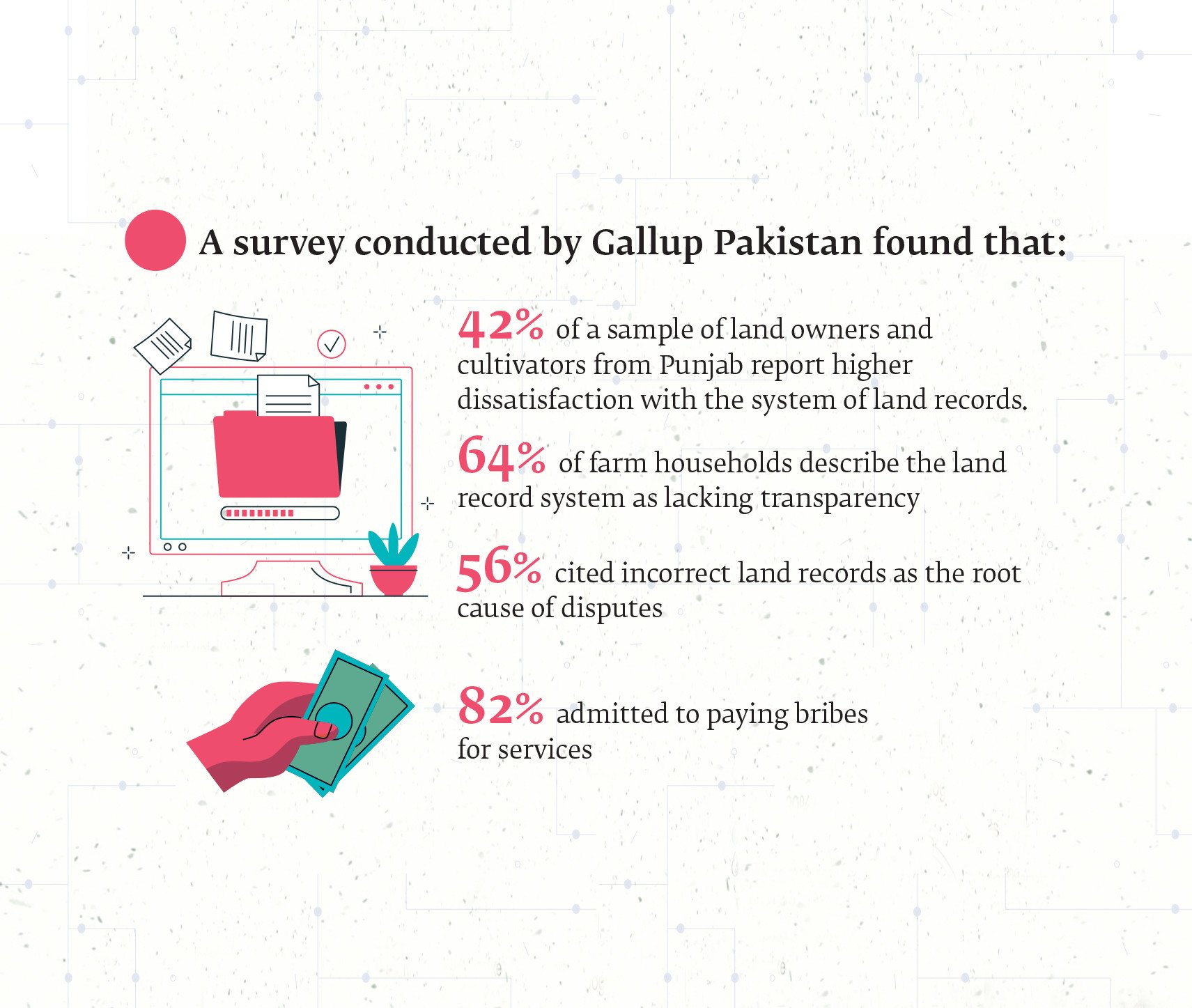
In the heart of Pakistan’s bustling cities and sprawling rural landscapes lies a persistent challenge that has long stifled economic growth and social stability: land management. For decades, the system has been mired in inefficiencies, corruption, and outdated colonial-era practices, leaving millions frustrated and the nation’s economic potential untapped.
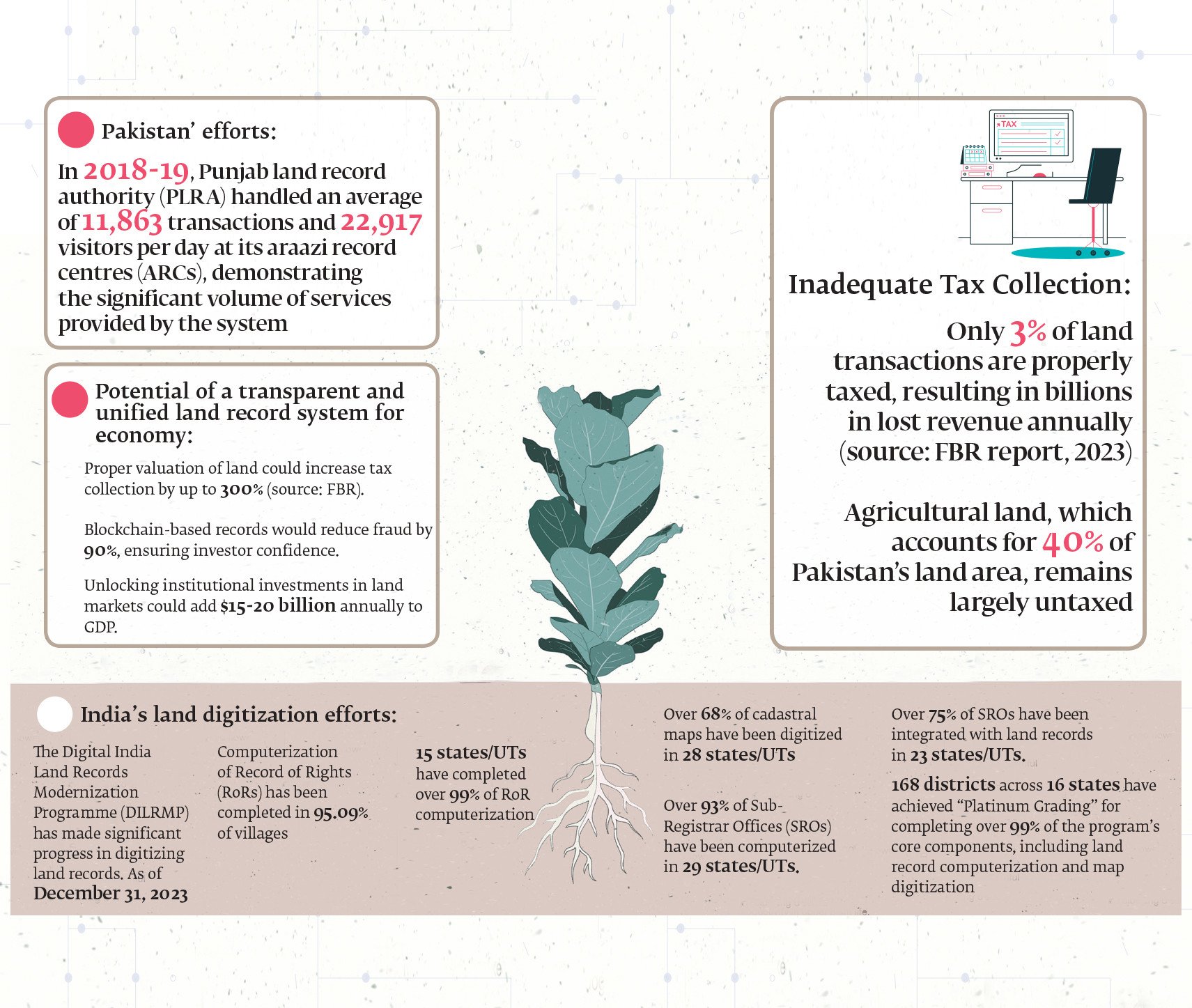
Efforts to modernize this convoluted system have been made, notably through initiatives like Punjab’s Land Record Management Information System (LRMIS). However, these efforts remain fragmented and limited in scope. The slow pace of digitization and the continued reliance on manual records mean that the full benefits of these initiatives are yet to be realized. According to a recent article in The Express Tribune, the ongoing challenges in land ownership and management are a significant hurdle to Pakistan’s progress.
Blockchain: A Beacon of Hope
Amidst these challenges, blockchain technology emerges as a promising solution. Known for its secure and transparent nature, blockchain could revolutionize land management in Pakistan by ensuring clear and immutable land titles. This technology has the potential to reduce corruption and fraudulent transactions, offering a path towards a more efficient and equitable system.
International examples provide a blueprint for success. Georgia’s blockchain land registry, for instance, has been hailed as a triumph in transparency and fraud prevention. By storing land records on an immutable digital ledger, Georgia has effectively eliminated disputes arising from document manipulation. This model offers valuable lessons for Pakistan, highlighting the transformative potential of blockchain in governance.
Challenges and the Road Ahead
Despite its promise, implementing blockchain in Pakistan is not without challenges. Political resistance, bureaucratic inertia, and a lack of technical expertise pose significant hurdles. Moreover, vested interests benefiting from the current system’s opacity are likely to oppose such reforms. Overcoming these obstacles will require strong political will and collaboration across federal and provincial levels.
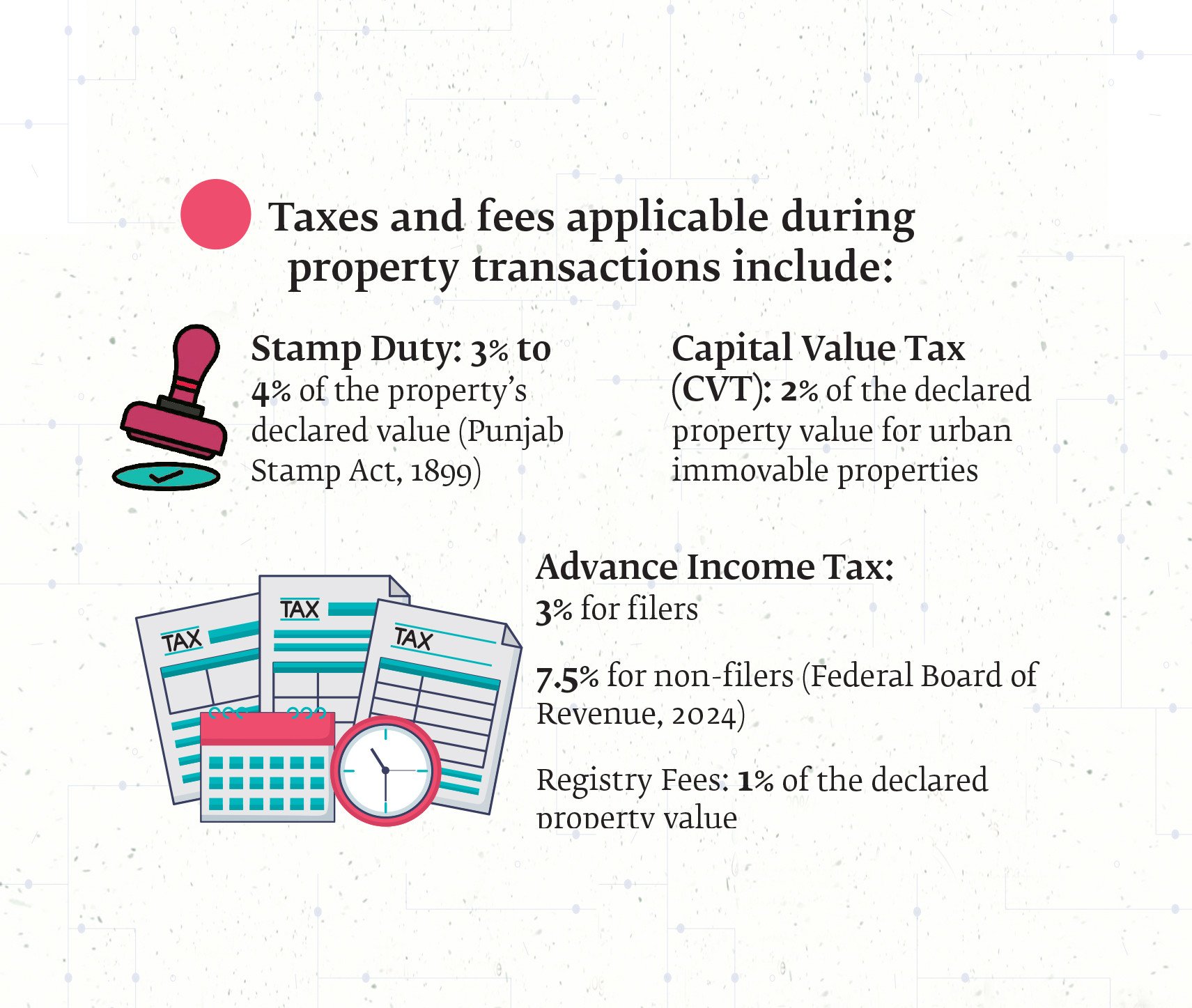
To pave the way for blockchain adoption, Pakistan must first consolidate existing digitization efforts, integrating provincial databases into a unified national platform. Legislation should standardize land valuation methods, eliminating disparities and closing loopholes that allow tax evasion. Public awareness campaigns will also be crucial in ensuring widespread adoption and trust in the new system.
Conclusion: A Call for Urgent Reform
The inefficiencies in Pakistan’s land management system have persisted for too long, hindering economic growth and legal transparency. However, with the right reforms and the adoption of cutting-edge technology, Pakistan has the potential to revolutionize its land administration. By learning from global examples and embracing blockchain’s capabilities, the country can unlock billions in economic value, boost investor confidence, and strengthen tax revenues.
The need for reform is urgent — Pakistan cannot afford to let its land management crisis continue unchecked. As highlighted in The Express Tribune, the time for action is now.
More Articles
Getting licensed or staying ahead in your career can be a journey—but it doesn’t have to be overwhelming. Grab your favorite coffee or tea, take a moment to relax, and browse through our articles. Whether you’re just starting out or renewing your expertise, we’ve got tips, insights, and advice to keep you moving forward. Here’s to your success—one sip and one step at a time!
PropTech investment surged nearly 68% in 2025, hitting a massive $16.7 billion and surpassing pre-pandemic highs. Investors are shifting toward practical, AI-powered tools that streamline operations, improve efficiency, and deliver immediate results. With 2026 shaping up to be a year of selective but strong growth, real estate professionals who stay ahead of tech trends will gain a major competitive edge.
Florida homeowners are finally seeing real relief as Citizens Property Insurance Corp. unveils an average 8.7% rate decrease for 2026—its largest cut in over a decade. Sparked by recent legislative reforms, a calm hurricane season, and renewed competition from insurers reentering the state, the drop is poised to significantly impact homeowners, real estate professionals, and industry trainees across Florida.
Tampa’s commercial real estate market is still growing, but investors are shifting from rapid dealmaking to highly selective, detail‑driven decisions. Population growth, steady office demand, stabilizing industrial activity, and a rebound in retail are keeping the market strong, while health‑care properties are emerging as a major sector for 2026. The region’s next chapter is defined by precision, disciplined underwriting, and long‑term strategy rather than speed.
Homesage.ai has released a new AI-powered comps engine that cuts property valuation time from hours to seconds by analyzing hundreds of data points across listings, public records, and proprietary datasets. Designed for agents, investors, and lenders, the tool delivers highly accurate comparable properties and real-time market insights, giving professionals a competitive edge in today’s rapidly shifting housing landscape.
A panel of federal judges is closely examining whether the National Association of Realtors’ billion‑dollar antitrust settlements—and similar deals struck by major brokerages—are genuinely fair to the millions of buyers and sellers affected. With plaintiffs arguing that homebuyers’ rights were improperly dismissed and compensation falls far short of true losses, the court’s upcoming decision could reshape commission practices and spark one of the most significant structural shifts in modern real estate.
The SEC is proposing a dramatic shift in how it defines a “small” registered investment adviser — raising the threshold from under 25 million in assets to under 1 billion. The change would instantly reclassify about 96 percent of RIAs and could create ripple effects across mergers and acquisitions, integration planning, and breakaway adviser activity. While the move aims to reduce administrative burden, it may also introduce new complexities for firms scaling past the billion‑dollar mark.