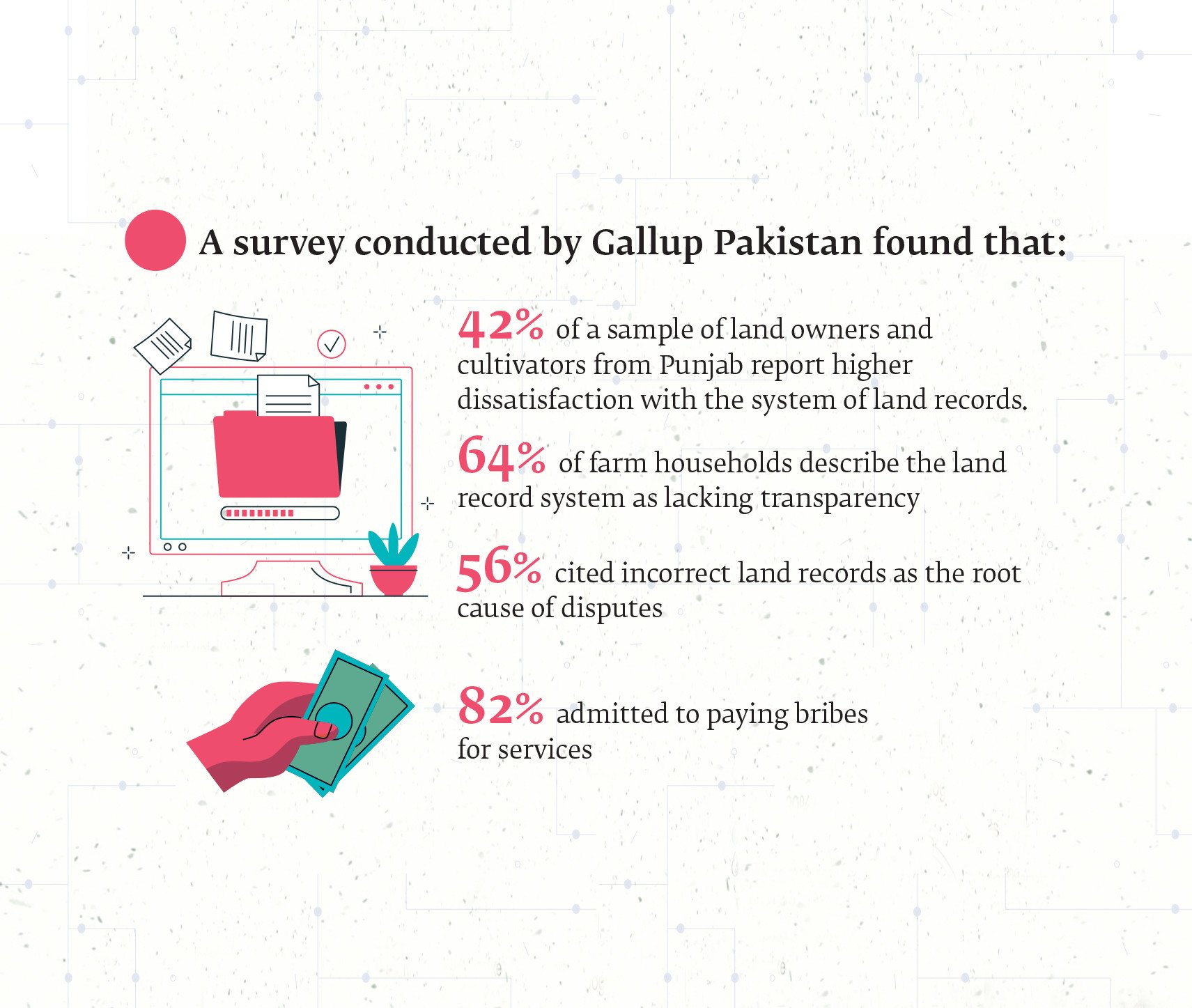
In the heart of Pakistan’s bustling cities and sprawling rural landscapes lies a persistent challenge that has long stifled economic growth and social stability: land management. For decades, the system has been mired in inefficiencies, corruption, and outdated colonial-era practices, leaving millions frustrated and the nation’s economic potential untapped.
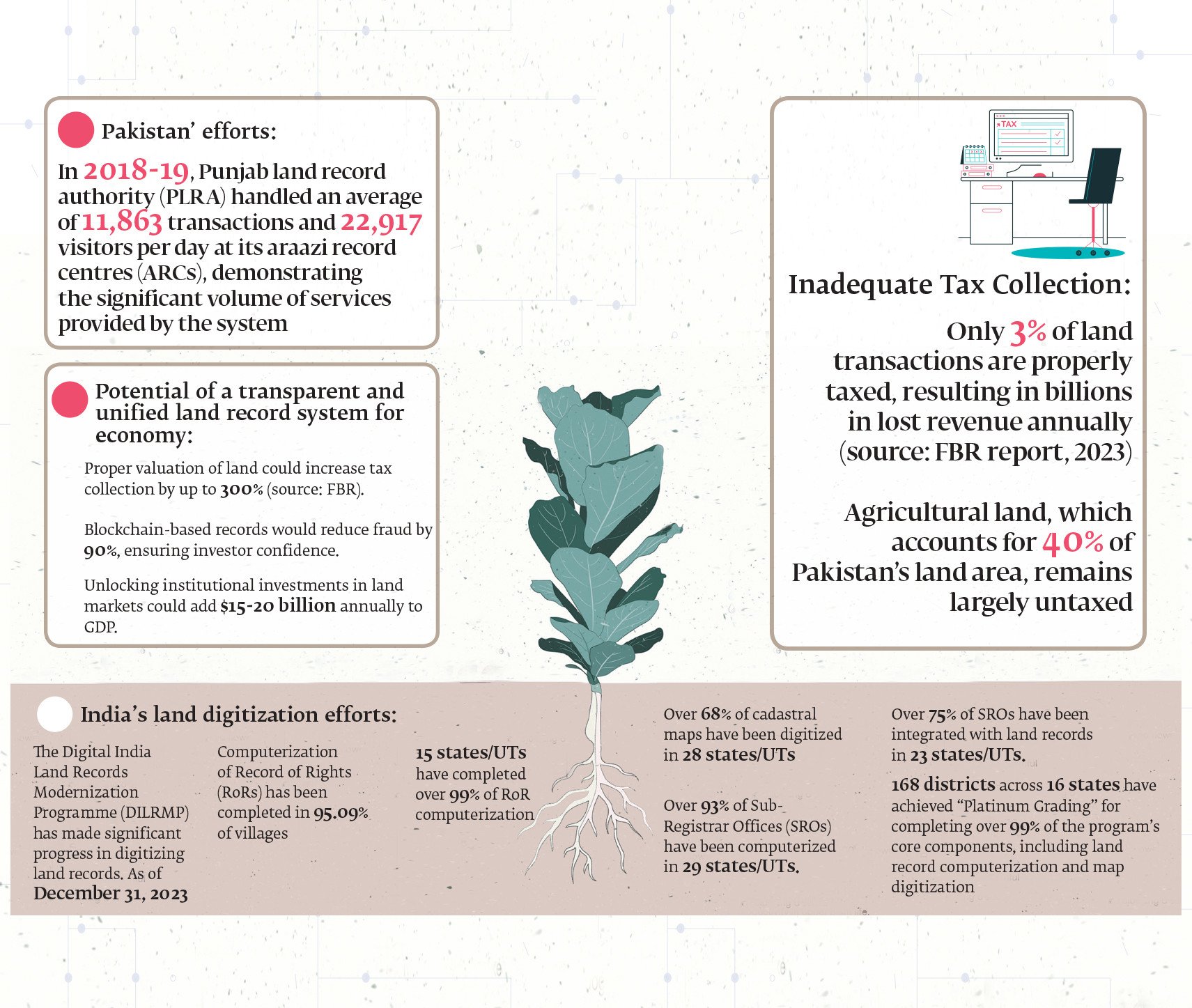
Efforts to modernize this convoluted system have been made, notably through initiatives like Punjab’s Land Record Management Information System (LRMIS). However, these efforts remain fragmented and limited in scope. The slow pace of digitization and the continued reliance on manual records mean that the full benefits of these initiatives are yet to be realized. According to a recent article in The Express Tribune, the ongoing challenges in land ownership and management are a significant hurdle to Pakistan’s progress.
Blockchain: A Beacon of Hope
Amidst these challenges, blockchain technology emerges as a promising solution. Known for its secure and transparent nature, blockchain could revolutionize land management in Pakistan by ensuring clear and immutable land titles. This technology has the potential to reduce corruption and fraudulent transactions, offering a path towards a more efficient and equitable system.
International examples provide a blueprint for success. Georgia’s blockchain land registry, for instance, has been hailed as a triumph in transparency and fraud prevention. By storing land records on an immutable digital ledger, Georgia has effectively eliminated disputes arising from document manipulation. This model offers valuable lessons for Pakistan, highlighting the transformative potential of blockchain in governance.
Challenges and the Road Ahead
Despite its promise, implementing blockchain in Pakistan is not without challenges. Political resistance, bureaucratic inertia, and a lack of technical expertise pose significant hurdles. Moreover, vested interests benefiting from the current system’s opacity are likely to oppose such reforms. Overcoming these obstacles will require strong political will and collaboration across federal and provincial levels.
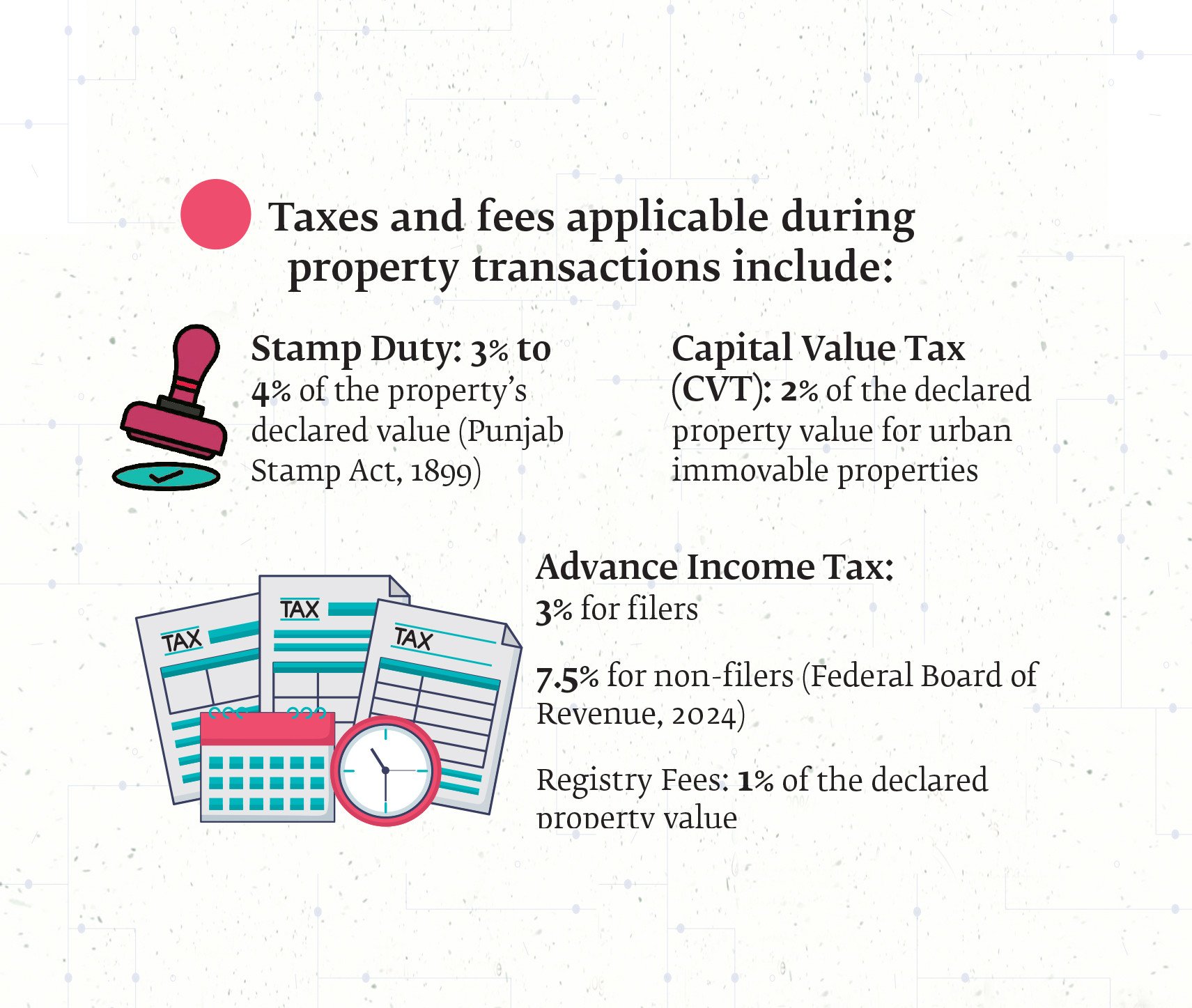
To pave the way for blockchain adoption, Pakistan must first consolidate existing digitization efforts, integrating provincial databases into a unified national platform. Legislation should standardize land valuation methods, eliminating disparities and closing loopholes that allow tax evasion. Public awareness campaigns will also be crucial in ensuring widespread adoption and trust in the new system.
Conclusion: A Call for Urgent Reform
The inefficiencies in Pakistan’s land management system have persisted for too long, hindering economic growth and legal transparency. However, with the right reforms and the adoption of cutting-edge technology, Pakistan has the potential to revolutionize its land administration. By learning from global examples and embracing blockchain’s capabilities, the country can unlock billions in economic value, boost investor confidence, and strengthen tax revenues.
The need for reform is urgent — Pakistan cannot afford to let its land management crisis continue unchecked. As highlighted in The Express Tribune, the time for action is now.
More Articles
Getting licensed or staying ahead in your career can be a journey—but it doesn’t have to be overwhelming. Grab your favorite coffee or tea, take a moment to relax, and browse through our articles. Whether you’re just starting out or renewing your expertise, we’ve got tips, insights, and advice to keep you moving forward. Here’s to your success—one sip and one step at a time!
Commercial real estate deal activity dipped in October for the first time since early 2024, signaling a widening disconnect between buyer and seller pricing expectations in a high‑rate environment. While overall sales remain strong—and even above 2024 levels—the sharp slowdown in momentum highlights rising caution across sectors. Multifamily saw a steep 27% drop in volume, hospitality was the lone sector to grow, and institutional buyers are increasingly targeting discounted office assets. With mortgage originations rebounding but lenders staying selective, 2026 will hinge on how quickly the market aligns on pricing and capital costs.
New Vanguard research reveals that the real impact of financial advisors goes far beyond market performance. Investors say the greatest value comes from peace of mind, personalized planning, emotional reassurance, and the time saved by having a trusted expert manage their financial life. The study highlights a major shift in what clients truly want: confidence, clarity, and guidance that aligns with their personal definition of financial success.
U.S. self‑storage deals surged nearly $1.6 billion in Q3 2025, marking a 62% year‑over‑year jump and the sector’s strongest resurgence in years. REITs paid steep premiums to lock down top‑tier, land‑restricted markets, while states like Florida, California, and Georgia led all sales. New York City dominated with record‑high pricing of $526 per square foot, underscoring the asset class’s resilience and the renewed appetite for specialty commercial investments heading into 2026.
Nearly half a million Florida homeowners are finally seeing relief as Citizens Insurance plans to reduce premiums by up to 11%. After years of rising costs and limited coverage options, the insurer’s shrinking policy load and reduced risk are allowing meaningful savings—averaging about $400 per year for most customers. With several private carriers also lowering rates, experts say this could mark the beginning of a long‑needed stabilization in Florida’s insurance and real estate markets.
Colorado heads into 2026 with steady economic strength despite slowing population growth. The latest forecast from the Leeds School of Business projects 17,500 new jobs, rising incomes, and GDP growth outpacing the national average. Most major industries will expand, even as migration slows and labor shortages persist.
Layoffs across tech, energy, retail, aviation, and education are redefining the 2025 workforce as companies cut costs and accelerate their adoption of AI. Major employers like Amazon, Meta, UPS, and Chevron are restructuring thousands of roles, signaling one of the most significant employment shifts in years. But while traditional positions shrink, demand is rising in fields tied to AI, data, cybersecurity, compliance, and licensed professions. For workers willing to reskill or pivot—especially into areas like real estate, insurance, finance, or other certification‑based careers—new opportunities continue to grow despite the turbulence.