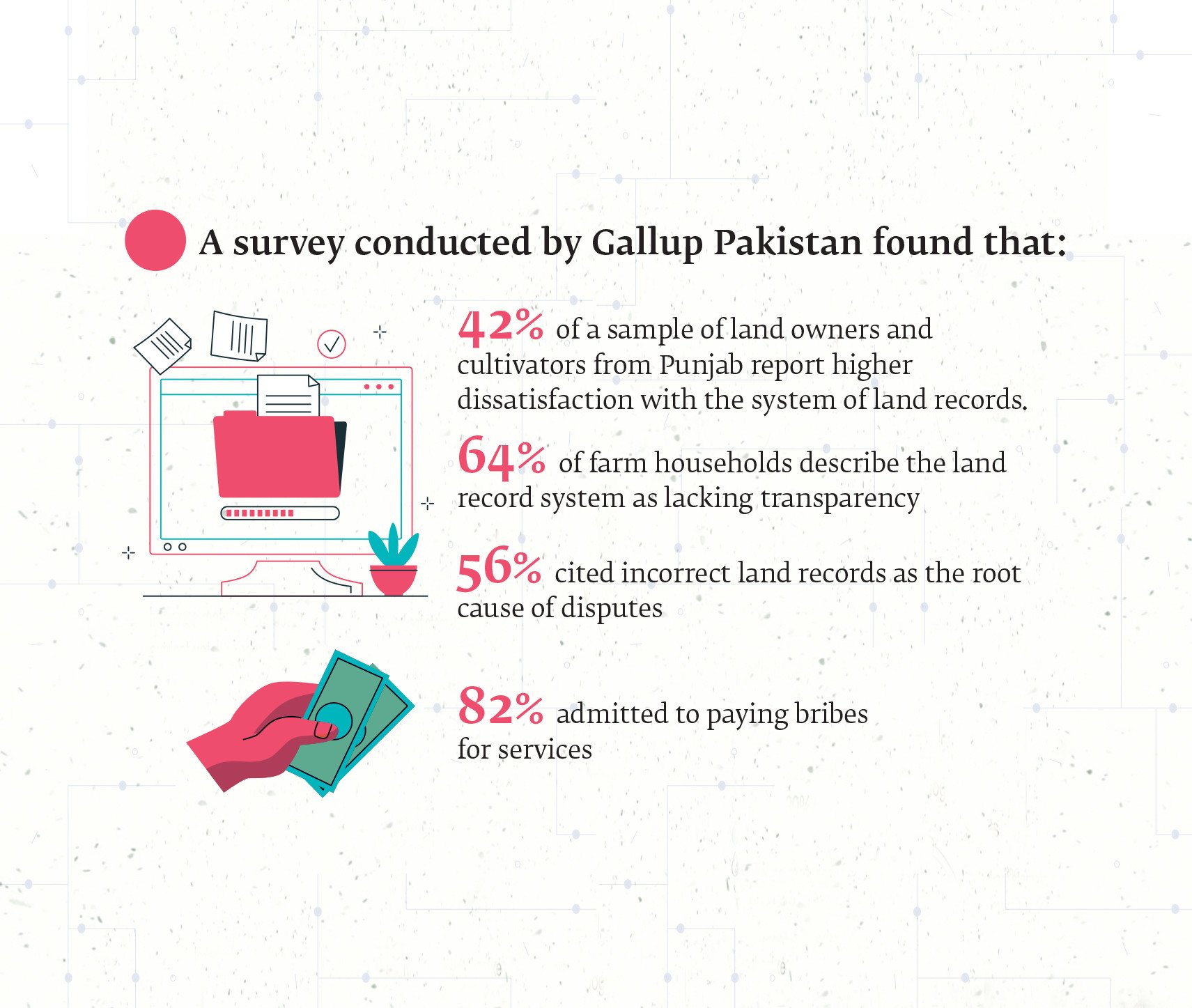
In the heart of Pakistan’s bustling cities and sprawling rural landscapes lies a persistent challenge that has long stifled economic growth and social stability: land management. For decades, the system has been mired in inefficiencies, corruption, and outdated colonial-era practices, leaving millions frustrated and the nation’s economic potential untapped.
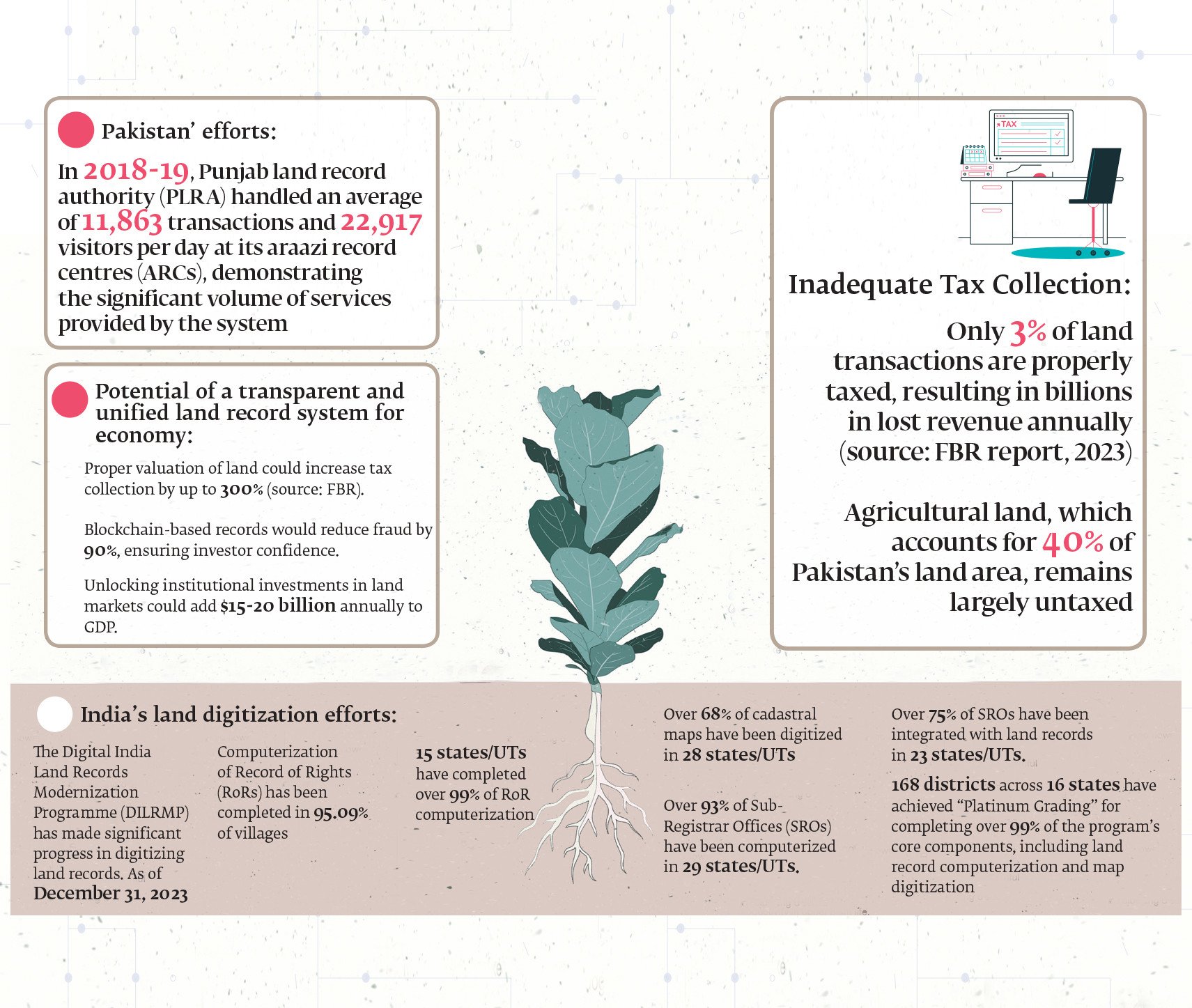
Efforts to modernize this convoluted system have been made, notably through initiatives like Punjab’s Land Record Management Information System (LRMIS). However, these efforts remain fragmented and limited in scope. The slow pace of digitization and the continued reliance on manual records mean that the full benefits of these initiatives are yet to be realized. According to a recent article in The Express Tribune, the ongoing challenges in land ownership and management are a significant hurdle to Pakistan’s progress.
Blockchain: A Beacon of Hope
Amidst these challenges, blockchain technology emerges as a promising solution. Known for its secure and transparent nature, blockchain could revolutionize land management in Pakistan by ensuring clear and immutable land titles. This technology has the potential to reduce corruption and fraudulent transactions, offering a path towards a more efficient and equitable system.
International examples provide a blueprint for success. Georgia’s blockchain land registry, for instance, has been hailed as a triumph in transparency and fraud prevention. By storing land records on an immutable digital ledger, Georgia has effectively eliminated disputes arising from document manipulation. This model offers valuable lessons for Pakistan, highlighting the transformative potential of blockchain in governance.
Challenges and the Road Ahead
Despite its promise, implementing blockchain in Pakistan is not without challenges. Political resistance, bureaucratic inertia, and a lack of technical expertise pose significant hurdles. Moreover, vested interests benefiting from the current system’s opacity are likely to oppose such reforms. Overcoming these obstacles will require strong political will and collaboration across federal and provincial levels.
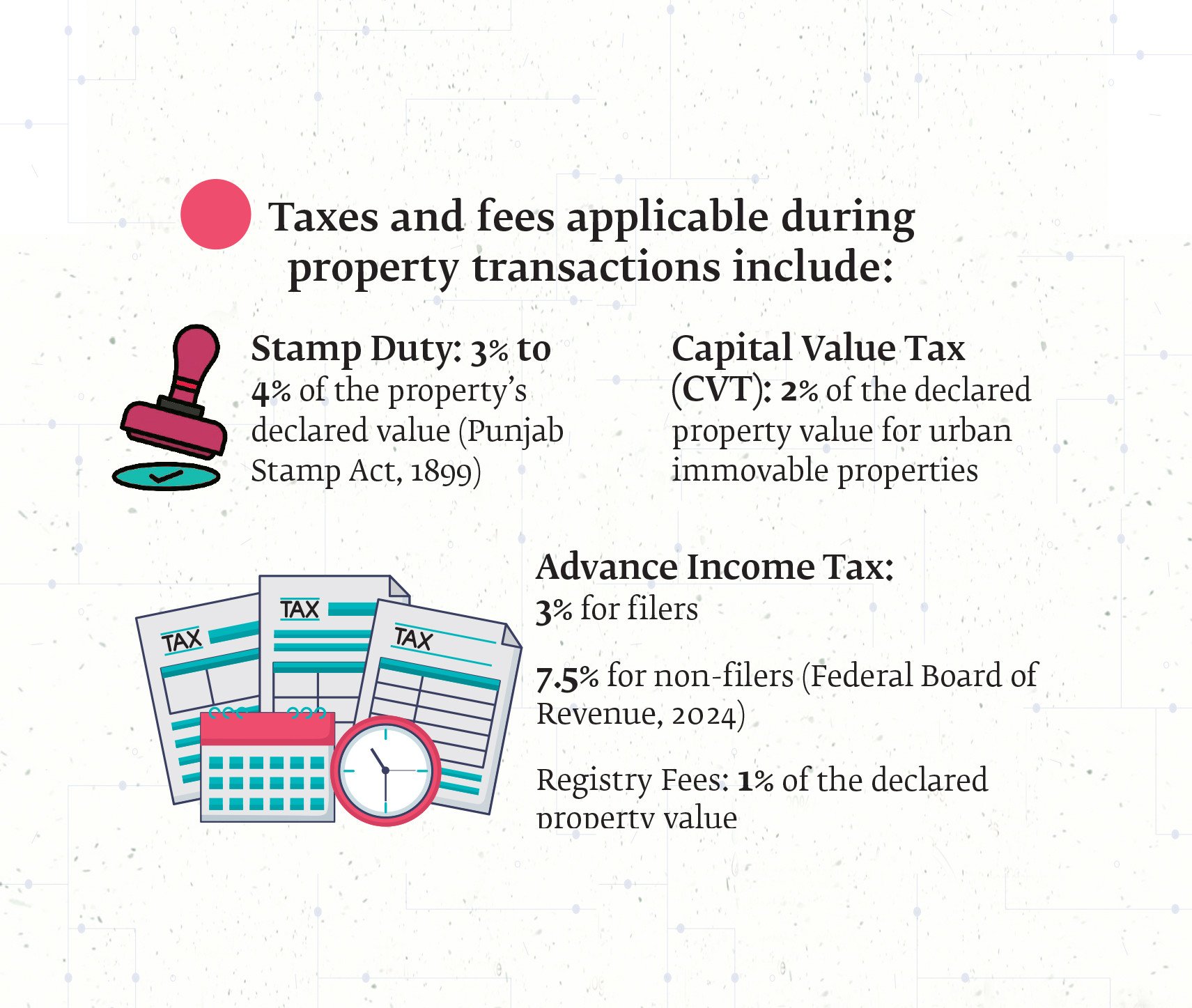
To pave the way for blockchain adoption, Pakistan must first consolidate existing digitization efforts, integrating provincial databases into a unified national platform. Legislation should standardize land valuation methods, eliminating disparities and closing loopholes that allow tax evasion. Public awareness campaigns will also be crucial in ensuring widespread adoption and trust in the new system.
Conclusion: A Call for Urgent Reform
The inefficiencies in Pakistan’s land management system have persisted for too long, hindering economic growth and legal transparency. However, with the right reforms and the adoption of cutting-edge technology, Pakistan has the potential to revolutionize its land administration. By learning from global examples and embracing blockchain’s capabilities, the country can unlock billions in economic value, boost investor confidence, and strengthen tax revenues.
The need for reform is urgent — Pakistan cannot afford to let its land management crisis continue unchecked. As highlighted in The Express Tribune, the time for action is now.
More Articles
Getting licensed or staying ahead in your career can be a journey—but it doesn’t have to be overwhelming. Grab your favorite coffee or tea, take a moment to relax, and browse through our articles. Whether you’re just starting out or renewing your expertise, we’ve got tips, insights, and advice to keep you moving forward. Here’s to your success—one sip and one step at a time!
At the 2025 Florida Chamber Insurance Summit, Insurance Commissioner Mike Yaworsky announced that Florida’s long‑volatile insurance market has at last regained stability. After a decade marked by runaway litigation, inflated claims, and insurer exits, the sweeping tort and insurance reforms passed in 2022 and 2023 have reversed the decline. Litigation has fallen to pre‑2019 levels, new carriers and reinsurers are entering the state, and consumers now have more options than they’ve seen in years. Yaworsky cautioned, however, that rolling back these reforms would undo the progress and impose massive costs on Floridians.
Driving with an expired license is illegal in nearly every state, and in 2025 the consequences are more serious than most people realize. From fines and potential jail time to denied insurance claims and professional repercussions, even a simple lapse can create a ripple effect—especially for licensed professionals in real estate, insurance, mortgage, and finance. This quick morning read breaks down the real penalties, why professionals should pay attention, and how to renew your license before it becomes a costly mistake.
A new wave of chat‑based AI tools is reshaping how quickly real estate professionals can prepare and enhance listing photos. By simply describing changes—like brightening a kitchen, removing clutter, or fully staging a room—agents and property managers can produce high‑impact images in minutes. This technology not only speeds up market readiness but also boosts renter and buyer engagement by presenting spaces at their full potential from the very first glance.
The rental market is gearing up for major shifts in 2026, from rising compliance demands and surging insurance costs to the rapid adoption of AI‑powered property management tools. Tenants’ expectations are evolving just as quickly, pushing owners to deliver lifestyle‑driven communities rather than simple lease agreements. Investors and operators who embrace technology, stay ahead of regulatory changes and prioritize renter experience will be best positioned to thrive in the coming year.
Artificial intelligence is transforming real estate at lightning speed, turning days of manual work into minutes of automated insight. With the AI real estate market projected to soar from $222.65B in 2024 to over $975B by 2029, professionals who understand this technology now will lead the industry tomorrow. From smarter valuations to automated workflows and predictive analytics, AI is redefining how agents, investors, and property managers operate—making today the perfect time to embrace the tools shaping the future of real estate.
As AI takes over the repetitive tasks that slow agents down, industry expert Matt Britton says the future of real estate belongs to professionals who combine intelligent automation with irreplaceable human trust. Speaking to thousands at NAR NXT 2025, Britton emphasized that the next wave of success will come from agents who embrace AI workflows while doubling down on what technology can’t replicate: empathy, creativity, and meaningful client relationships.