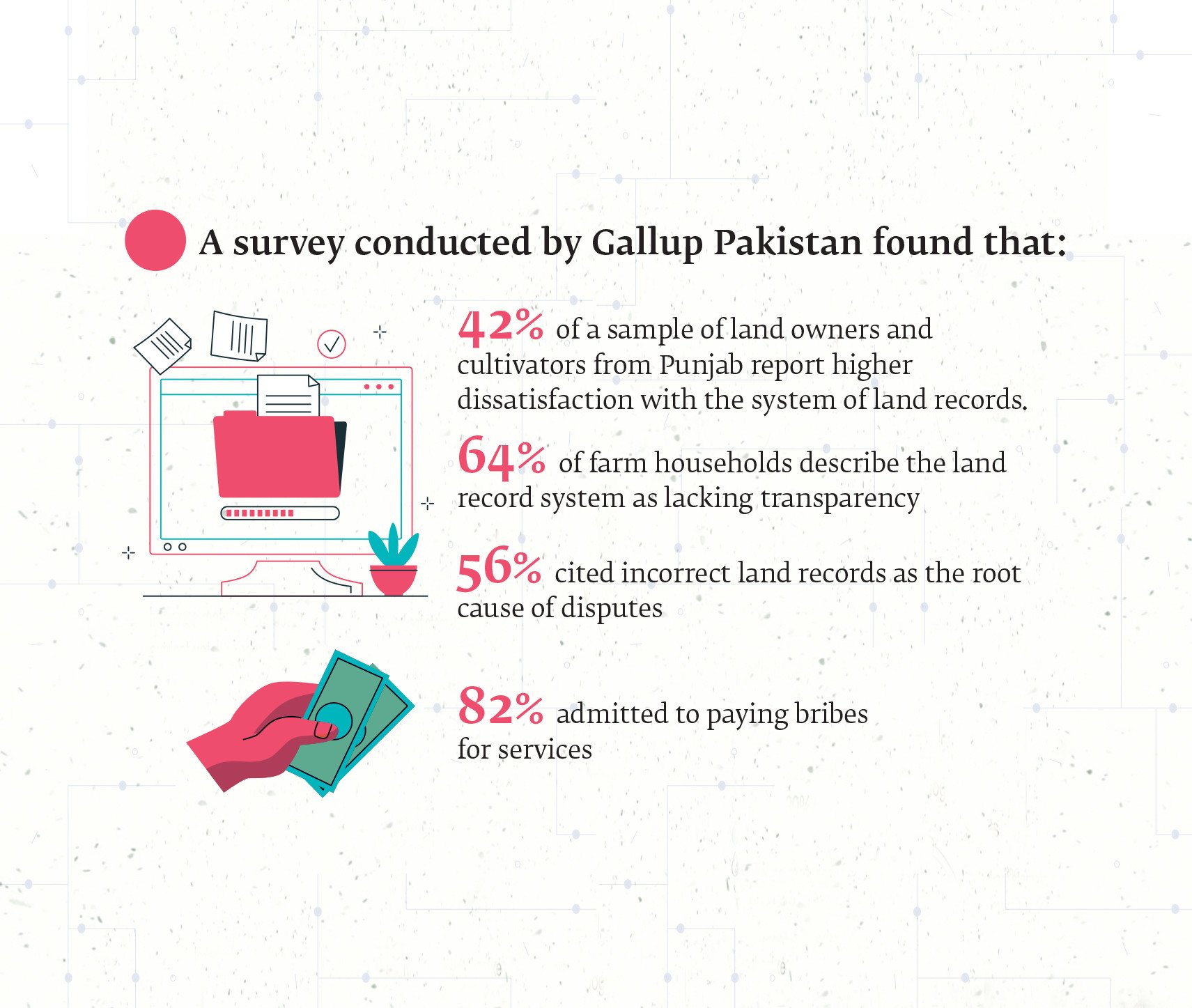
In the heart of Pakistan’s bustling cities and sprawling rural landscapes lies a persistent challenge that has long stifled economic growth and social stability: land management. For decades, the system has been mired in inefficiencies, corruption, and outdated colonial-era practices, leaving millions frustrated and the nation’s economic potential untapped.
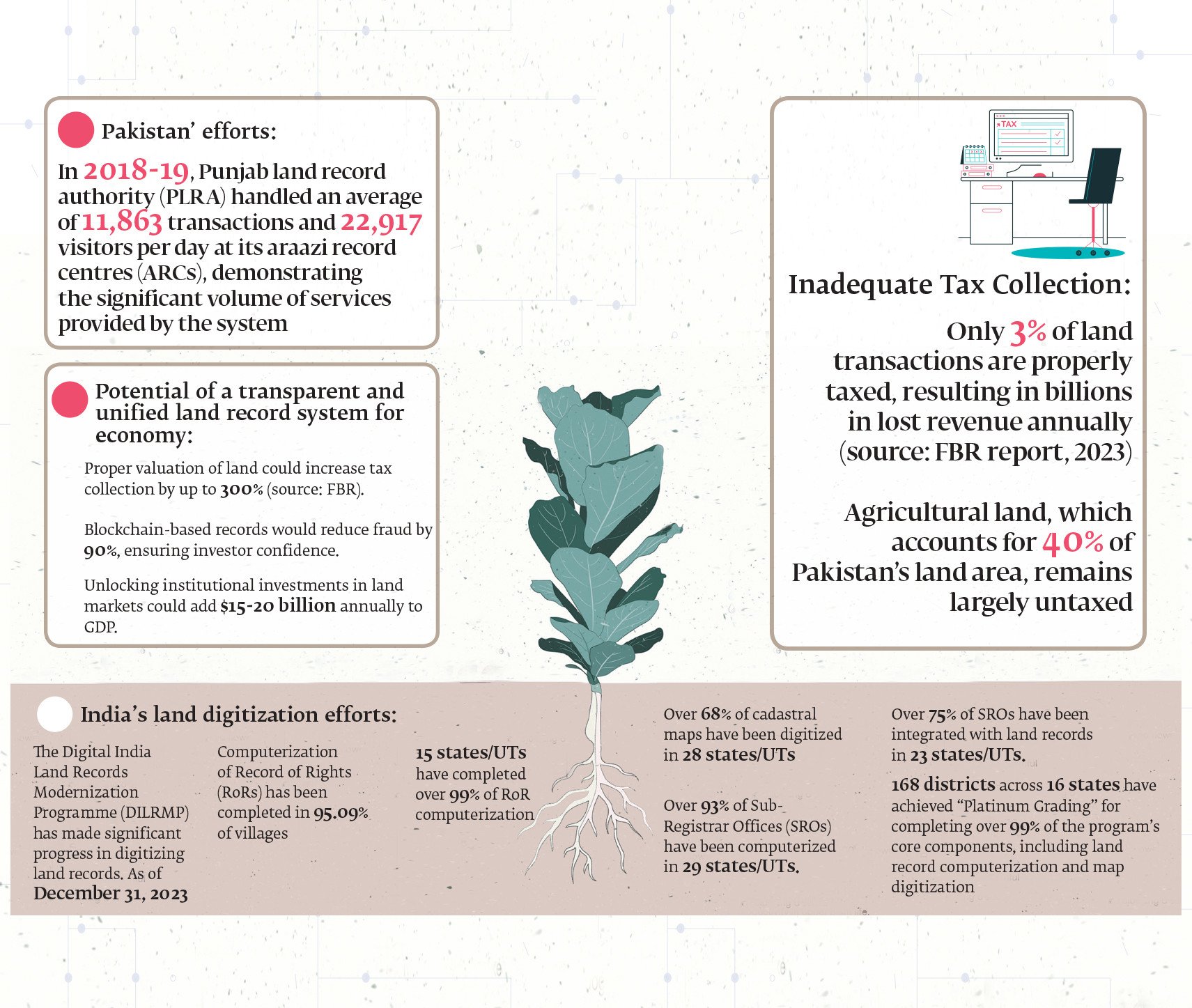
Efforts to modernize this convoluted system have been made, notably through initiatives like Punjab’s Land Record Management Information System (LRMIS). However, these efforts remain fragmented and limited in scope. The slow pace of digitization and the continued reliance on manual records mean that the full benefits of these initiatives are yet to be realized. According to a recent article in The Express Tribune, the ongoing challenges in land ownership and management are a significant hurdle to Pakistan’s progress.
Blockchain: A Beacon of Hope
Amidst these challenges, blockchain technology emerges as a promising solution. Known for its secure and transparent nature, blockchain could revolutionize land management in Pakistan by ensuring clear and immutable land titles. This technology has the potential to reduce corruption and fraudulent transactions, offering a path towards a more efficient and equitable system.
International examples provide a blueprint for success. Georgia’s blockchain land registry, for instance, has been hailed as a triumph in transparency and fraud prevention. By storing land records on an immutable digital ledger, Georgia has effectively eliminated disputes arising from document manipulation. This model offers valuable lessons for Pakistan, highlighting the transformative potential of blockchain in governance.
Challenges and the Road Ahead
Despite its promise, implementing blockchain in Pakistan is not without challenges. Political resistance, bureaucratic inertia, and a lack of technical expertise pose significant hurdles. Moreover, vested interests benefiting from the current system’s opacity are likely to oppose such reforms. Overcoming these obstacles will require strong political will and collaboration across federal and provincial levels.
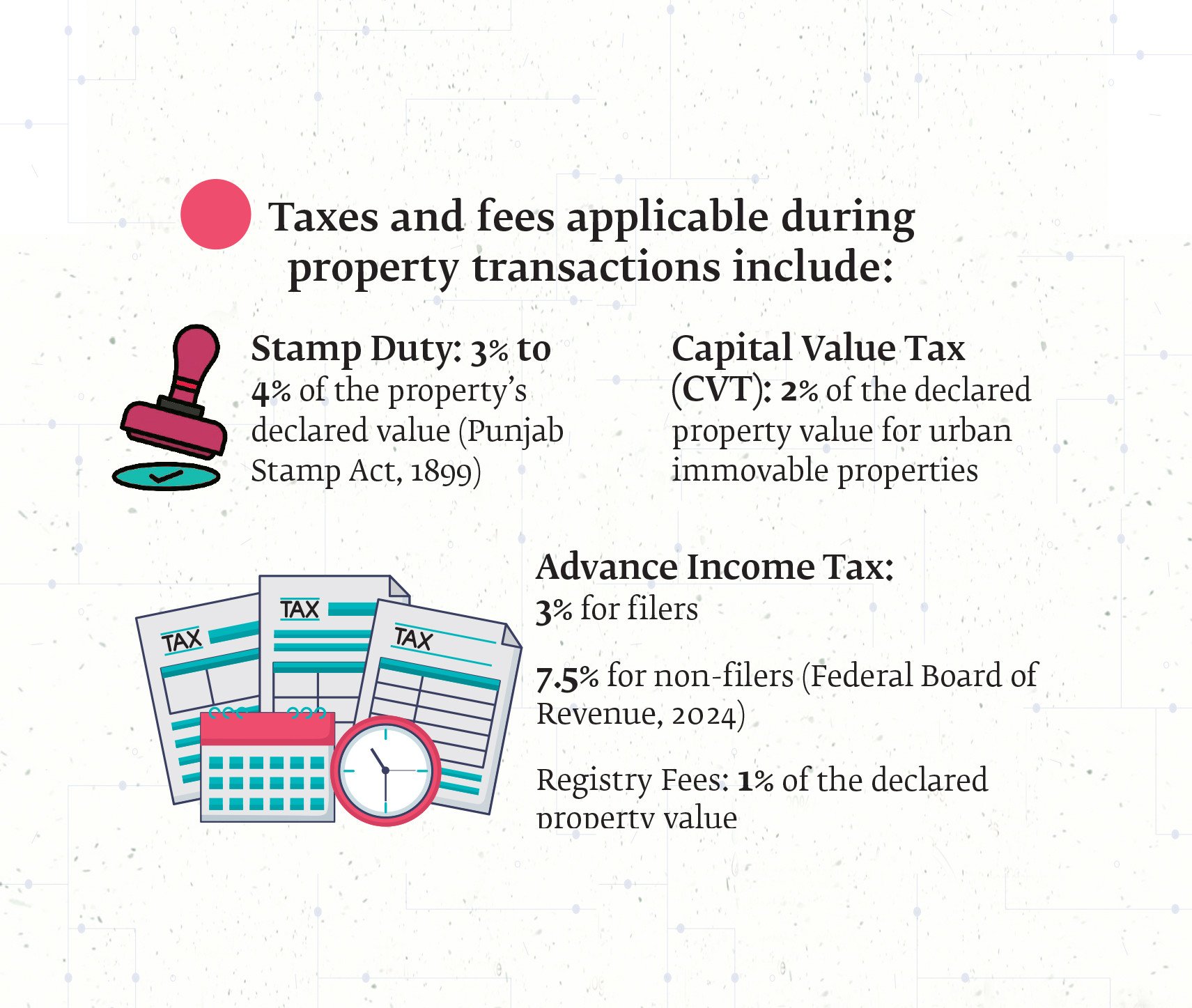
To pave the way for blockchain adoption, Pakistan must first consolidate existing digitization efforts, integrating provincial databases into a unified national platform. Legislation should standardize land valuation methods, eliminating disparities and closing loopholes that allow tax evasion. Public awareness campaigns will also be crucial in ensuring widespread adoption and trust in the new system.
Conclusion: A Call for Urgent Reform
The inefficiencies in Pakistan’s land management system have persisted for too long, hindering economic growth and legal transparency. However, with the right reforms and the adoption of cutting-edge technology, Pakistan has the potential to revolutionize its land administration. By learning from global examples and embracing blockchain’s capabilities, the country can unlock billions in economic value, boost investor confidence, and strengthen tax revenues.
The need for reform is urgent — Pakistan cannot afford to let its land management crisis continue unchecked. As highlighted in The Express Tribune, the time for action is now.
More Articles
Getting licensed or staying ahead in your career can be a journey—but it doesn’t have to be overwhelming. Grab your favorite coffee or tea, take a moment to relax, and browse through our articles. Whether you’re just starting out or renewing your expertise, we’ve got tips, insights, and advice to keep you moving forward. Here’s to your success—one sip and one step at a time!
The greenhouse industry is entering 2026 with a complex wave of overlapping risks — from rising insurance costs and extreme weather to cyber threats, labor shortages, and unstable supply chains. These challenges aren’t isolated; they compound one another, increasing pressure on growers and business owners alike. Insights from industry experts reveal the key trends shaping risk management in the year ahead and what operators must do now to stay resilient.
New FDIC reporting rules are changing how banks classify and disclose commercial real estate loans, replacing the old Troubled Debt Restructuring label with clearer “financial difficulty” modifications and expanding transparency across structured products and capital requirements. These updates may briefly tighten lending but ultimately promise stronger liquidity, cleaner risk data, and more predictable CRE financing as banks adapt.
Artificial intelligence is no longer an upcoming trend—it's already reshaping how real estate professionals work, compete, and win. With the AI real estate sector set to surge from $222B in 2024 to nearly $1T by 2029, the industry is undergoing a rapid transformation in valuations, virtual tours, listings, investment analysis, and client management. Agents and investors who embrace AI tools are gaining unprecedented efficiency and insight, while those who resist risk falling behind.
The Federal Housing Finance Agency is weighing the idea of 50‑year mortgages, a move that could make monthly payments more affordable but dramatically increase total interest costs. Supporters say it may help young professionals break into the housing market, while critics warn it could trap families in half a century of debt. As the industry debates this controversial loan option, real estate and mortgage professionals must stay informed to guide clients through the shifting landscape.
December is shaping up to be another unpredictable month for mortgage rates. With the Federal Reserve signaling mixed messages, key economic reports running behind schedule, and lenders already looking ahead to 2026, rates could face upward pressure. Experts from Fannie Mae and the MBA project an average 30‑year rate around 6.3% for late 2025, suggesting a potential December bump. For real estate and mortgage professionals, understanding this volatility isn’t just helpful — it’s a competitive edge.
Sellers are cutting prices at record levels, delistings are surging to highs not seen since 2017, and buyers remain hesitant despite slightly lower mortgage rates. With affordability still strained and new construction slowing, the 2025 housing market is entering a deeper‑than‑usual winter slowdown marked by caution on all sides.