Budget 2025: A New Dawn for Middle-Class Homebuyers
The recent announcements in the Budget 2025 have brought a wave of optimism for middle-class homebuyers. In a bid to enhance disposable income and affordability, the Finance Minister has raised the income tax exemption limit to ₹12 lakh, which further increases to ₹12.75 lakh when standard deductions are considered. This strategic move is set to boost household spending power, subsequently driving housing demand and invigorating investments in the real estate sector.
Real estate experts suggest that these measures will have a positive impact on both primary and secondary housing markets. As highlighted in Hindustan Times, the government’s streamlined approach to taxation is expected to fortify household purchasing power.
SWAMIH Fund 2: A Lifeline for Stalled Projects
A cornerstone of this budget is the SWAMIH Fund 2, with an allocation of ₹15,000 crore aimed at completing an additional 1 lakh housing units. This initiative is a lifeline for thousands of homebuyers affected by stalled projects. The fund builds on the success of the existing SWAMIH scheme, which has seen 50,000 units completed, showcasing the government’s commitment to resolving the housing crisis. More details can be found in the SWAMIH-2 Investment Fund article.
Tax Reforms: A Boon for Landlords and Investors
The Budget also proposes raising the threshold for TDS on rent from ₹2.40 lakh to ₹6 lakh annually. This change is expected to ease compliance burdens on small landlords and taxpayers, as discussed in the TDS limit on rent analysis.
In a significant policy shift, investors can now claim a Nil valuation for two self-occupied properties instead of just one. This reform is likely to encourage property ownership and investment, making real estate an attractive option for investors.
Urban Development: Transforming Cities into Growth Hubs
The establishment of a ₹1 lakh crore Urban Challenge Fund is another highlight of the budget. This fund aims to enhance urban infrastructure, unlocking real estate potential and transforming cities into major growth hubs. The urban development fund initiative is expected to significantly impact city planning and governance.
Challenges in Affordable Housing
Despite these promising initiatives, the budget has been critiqued for not addressing affordable housing adequately. Rising home loan interest rates and outdated definitions of affordable housing continue to pose challenges for potential homeowners. Experts emphasize the need for a national policy towards rental housing to boost the housing program.
Conclusion: A Progressive Shift in Real Estate
The Budget 2025‘s focus on investor-friendly policies and creating a conducive environment for real estate growth is evident. By removing tax on deemed rent for self-occupied properties, the government is aligning with the evolving housing needs of Indian families. This progressive shift not only encourages homeownership but also sets the stage for a revitalized real estate sector.
More Articles
Getting licensed or staying ahead in your career can be a journey—but it doesn’t have to be overwhelming. Grab your favorite coffee or tea, take a moment to relax, and browse through our articles. Whether you’re just starting out or renewing your expertise, we’ve got tips, insights, and advice to keep you moving forward. Here’s to your success—one sip and one step at a time!
"AI and machine learning are emerging as powerful technologies to address this issue, improving the accuracy of medical diagnosis and revolutionizing healthcare with their myriad applications."
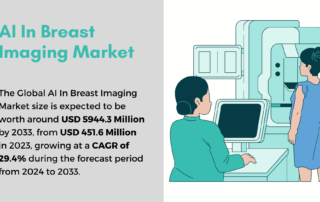
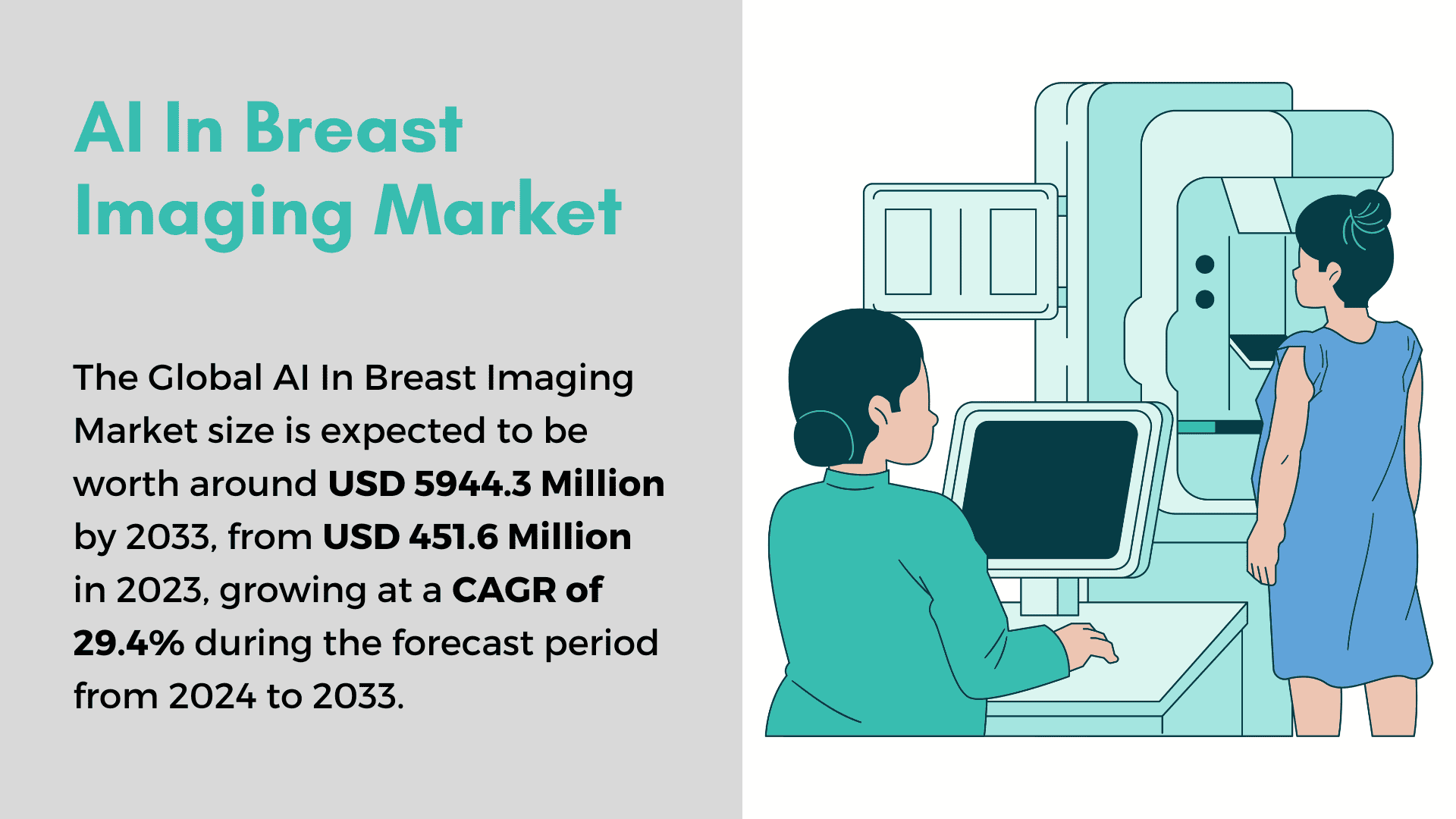
The global AI in breast imaging market is on a remarkable growth trajectory, projected to swell from USD 451.6 million in 2023 to an impressive USD 5944.3 million by 2033. This represents a compound annual growth rate (CAGR) of 29.4%, primarily driven by cutting-edge advancements in AI technologies that significantly enhance diagnostic accuracy, facilitate early detection, and boost healthcare efficiency.
Virtual real estate in metaverses is becoming a focal point for investors worldwide, with digital plots of land mirroring traditional real estate value based on location, size, and platform popularity.
Artificial intelligence (AI) and machine learning are at the forefront of revolutionizing in-vitro diagnostic (IVD) tools, redefining diagnostics and enhancing healthcare outcomes on multiple fronts.
As we edge closer to 2030, the life sciences industry stands on the threshold of transformative changes. With a global valuation exceeding $2 trillion, the sector is poised for significant growth, driven by technological advancements and an aging population.
The advent of telehealth has revolutionized the way patients, particularly those in rural areas, access health care. By offering remote consultations and follow-up care, telehealth provides a convenient alternative to traveling long distances to urban hospitals. However, this technological advancement brings with it a set of challenges that could reshape the rural health care landscape.