Budget 2025: A New Dawn for Middle-Class Homebuyers

The recent announcements in the Budget 2025 have brought a wave of optimism for middle-class homebuyers. In a bid to enhance disposable income and affordability, the Finance Minister has raised the income tax exemption limit to ₹12 lakh, which further increases to ₹12.75 lakh when standard deductions are considered. This strategic move is set to boost household spending power, subsequently driving housing demand and invigorating investments in the real estate sector.

Real estate experts suggest that these measures will have a positive impact on both primary and secondary housing markets. As highlighted in Hindustan Times, the government’s streamlined approach to taxation is expected to fortify household purchasing power.

To boost disposable income and increase affordability for middle-class homebuyers, the finance minister on february 1 increased the income tax exemption limit to ₹12 lakh under the new regime. (representational photo)(istock)

SWAMIH Fund 2: A Lifeline for Stalled Projects

A cornerstone of this budget is the SWAMIH Fund 2, with an allocation of ₹15,000 crore aimed at completing an additional 1 lakh housing units. This initiative is a lifeline for thousands of homebuyers affected by stalled projects. The fund builds on the success of the existing SWAMIH scheme, which has seen 50,000 units completed, showcasing the government’s commitment to resolving the housing crisis. More details can be found in the SWAMIH-2 Investment Fund article.

Tax Reforms: A Boon for Landlords and Investors

The Budget also proposes raising the threshold for TDS on rent from ₹2.40 lakh to ₹6 lakh annually. This change is expected to ease compliance burdens on small landlords and taxpayers, as discussed in the TDS limit on rent analysis.

In a significant policy shift, investors can now claim a Nil valuation for two self-occupied properties instead of just one. This reform is likely to encourage property ownership and investment, making real estate an attractive option for investors.

Urban Development: Transforming Cities into Growth Hubs

The establishment of a ₹1 lakh crore Urban Challenge Fund is another highlight of the budget. This fund aims to enhance urban infrastructure, unlocking real estate potential and transforming cities into major growth hubs. The urban development fund initiative is expected to significantly impact city planning and governance.

Challenges in Affordable Housing

Despite these promising initiatives, the budget has been critiqued for not addressing affordable housing adequately. Rising home loan interest rates and outdated definitions of affordable housing continue to pose challenges for potential homeowners. Experts emphasize the need for a national policy towards rental housing to boost the housing program.

Conclusion: A Progressive Shift in Real Estate

The Budget 2025‘s focus on investor-friendly policies and creating a conducive environment for real estate growth is evident. By removing tax on deemed rent for self-occupied properties, the government is aligning with the evolving housing needs of Indian families. This progressive shift not only encourages homeownership but also sets the stage for a revitalized real estate sector.

More Articles

Getting licensed or staying ahead in your career can be a journey—but it doesn’t have to be overwhelming. Grab your favorite coffee or tea, take a moment to relax, and browse through our articles. Whether you’re just starting out or renewing your expertise, we’ve got tips, insights, and advice to keep you moving forward. Here’s to your success—one sip and one step at a time!

2025 Commercial Real Estate Outlook: Navigating a New Era

The commercial real estate landscape is on the brink of transformation as leaders seek to navigate the challenges of recent years and position their organizations for future opportunities.

The Emerging Mental Health Crisis Among Healthcare Workers During the COVID-19 Pandemic

The pandemic has ushered in a wave of mental health challenges that affect healthcare workers profoundly. From the onset of COVID-19, these professionals have been at the forefront, facing immense pressure, long hours, and the constant fear of exposure.

By |December 18, 2024|Categories: Article, Healthcare Workers, Mental Health|Tags: , |0 Comments

Ethical Concerns of Large Language Models in Healthcare

Exploring the dual nature of LLMs offers substantial benefits in healthcare but also raises significant ethical concerns, underscoring the need for well-defined guidelines and human oversight.

The Role of Wearable Devices in Chronic Disease Monitoring and Patient Care: A Comprehensive Review

Wearable devices have become integral in managing chronic conditions by providing continuous health data, empowering patients and healthcare professionals with insights that were previously unattainable.

AI Training Mandates: Navigating Legal Waters in Dentistry

The integration of artificial intelligence (AI) into dental practices is more than a technological trend; it represents a seismic shift in the industry. This transformation is reshaping skill sets and prompting a thorough examination of legal and ethical implications.

By |December 17, 2024|Categories: Article, Legal, Technology|Tags: , |0 Comments

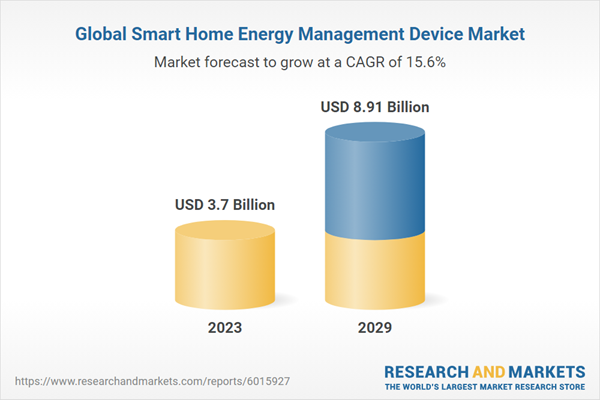
Smart Home Energy Management Devices: A Market Poised for Growth

The Global Smart Home Energy Management Device Market is on the brink of a significant transformation, driven by escalating demands for energy-efficient solutions and the increasing adoption of smart home technologies.