In a world where urban landscapes are continuously evolving, the University of Southern California’s Price School stands as a beacon of innovation and education. For over three decades, the Price School has been at the forefront of real estate education, proudly offering one of the first academic degrees in this field. Today, the Bachelor of Science in Real Estate Development (BRED) program equips students with the essential tools to transform communities globally.

Honing Skills to Shape Cities and Communities

Real estate professionals are the architects of our communities, and with a Bachelor’s in Real Estate Development, students delve into the intricacies of finance, urban planning, architectural design, and public policy. This comprehensive curriculum is designed to navigate the complexities of the profession. Students have the opportunity to put classroom knowledge into action through internships and capstone projects, preparing them to tackle the meaningful challenges of a career in real estate.

Why Choose Price?

Choosing USC Price for your real estate development degree means gaining both comprehensive knowledge and practical, hands-on experience. The program is designed to build a robust resume through internships, case studies, and real-world projects. Moreover, learning from leaders in the field, including experts from government, finance, and transportation sectors, ensures that students are well-prepared for the industry.

Connectedness is Key

The program offers a vast network of connections through the classroom, guest speakers, career services, student organizations, and the renowned Trojan Family network. These connections are invaluable in launching a successful career in real estate.

Preparing You to Succeed

Beyond academics, students are encouraged to reflect on their role in shaping cities. Career counseling and extracurricular programs provide a comprehensive understanding of real estate career options. Internship experiences offer direct exposure to real estate firms, allowing students to apply classroom skills to real-world situations.

Students can also benefit from two notable networks within the real estate program:

  1. USC Trojan Real Estate Association: A forum for students to establish their network of contacts, hosting alumni speaker panels, site visits, and opportunities to meet with real estate employers.
  2. The USC Lusk Center for Real Estate: Known as a prominent real estate research center, it convenes industry leaders, students, and faculty to examine the current state of the industry and future opportunities.


Explore Minors and Progressive Degrees

Students have the option to add a minor to specialize their skillset or pursue a master’s degree in just five years through progressive degrees. This opportunity is available for exceptional students in the PPD major and the broader USC undergraduate community.

For those interested in exploring further, undergraduate minors and progressive degrees offer pathways to enhance educational and career prospects.

In conclusion, the USC Price School’s Bachelor of Science in Real Estate Development is a gateway to a transformative career, providing the knowledge, experience, and connections necessary to make a lasting impact on communities worldwide. For more information, prospective students are encouraged to reach out to the faculty, including Richard K. Green and Mary Lynne Boorn, or visit the program’s webpage.

More Articles

Getting licensed or staying ahead in your career can be a journey—but it doesn’t have to be overwhelming. Grab your favorite coffee or tea, take a moment to relax, and browse through our articles. Whether you’re just starting out or renewing your expertise, we’ve got tips, insights, and advice to keep you moving forward. Here’s to your success—one sip and one step at a time!

Rising Home Insurance Costs Are Quietly Rewriting America’s Real Estate Rules

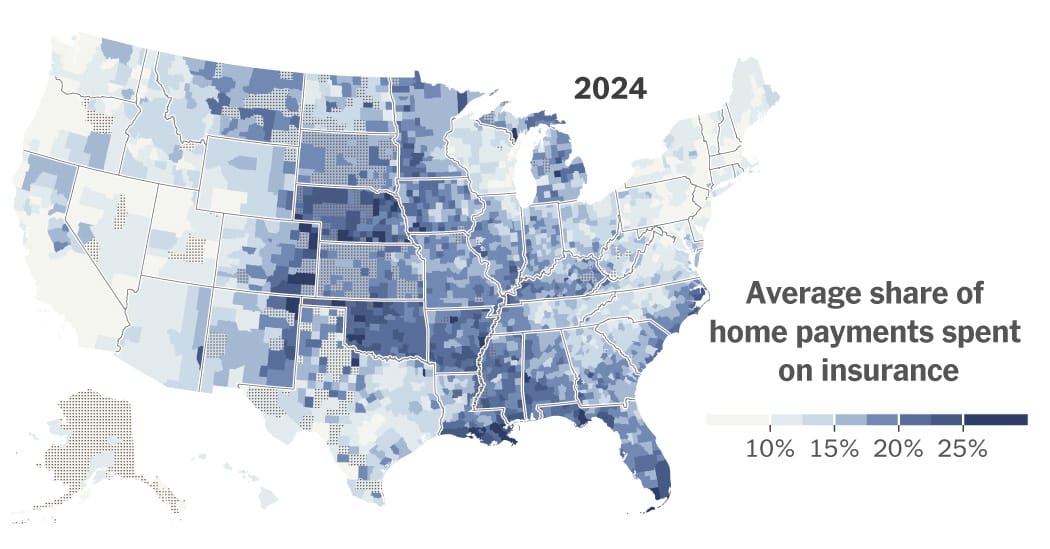
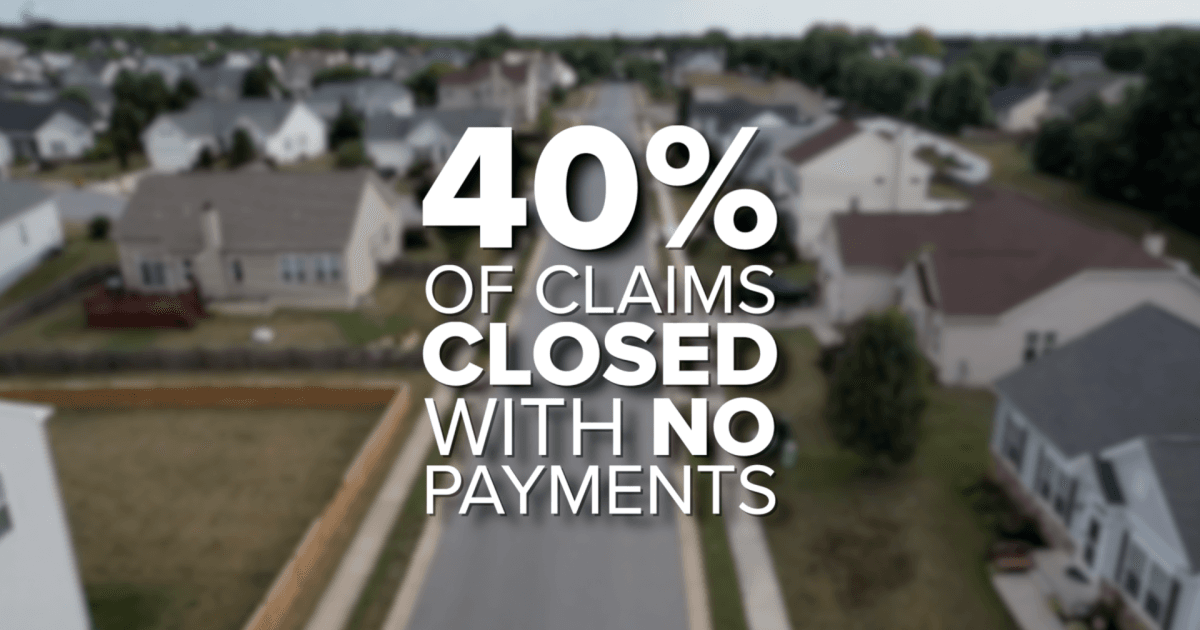
A surge in home insurance premiums is reshaping housing markets across the country, hitting disaster‑prone regions the hardest. From Louisiana to Colorado and California, deals are collapsing, buyers are backing out, and home values are dropping as insurance becomes a central affordability hurdle. New data shows climate‑driven risk repricing and soaring reinsurance costs are stripping tens of thousands of dollars from property values, forcing some homeowners to sell at a loss—or go uninsured altogether.

Is 2026 the Year the Housing Market Finally Roars Back? NAR Thinks So

After years of sluggish activity, the National Association of REALTORS predicts 2026 could mark the long‑awaited rebound for the housing market. With a projected 14% jump in home sales, steadier rates near 6%, and rising buyer activity, NAR economists say momentum is already building. Early signs—like a 31% surge in mortgage applications, continued job growth, and stabilizing prices—suggest a stronger, more confident market ahead, creating fresh opportunities for both seasoned professionals and aspiring agents preparing to enter the field.

Global Capital Is on the Move: What Colliers’ 2026 Outlook Means for the Future of Real Estate

A surge of global capital is reshaping real estate heading into 2026, with investors shifting toward hands‑on strategies, cross‑border diversification, and high‑growth asset classes like data centers. Colliers’ 2026 Global Investor Outlook highlights rising confidence, improving liquidity, and a major pivot toward direct investing and value‑add opportunities. From office market rebounds to Asia Pacific’s rapid fundraising growth, the report outlines trends every real estate professional should understand as the industry enters a more dynamic, opportunity‑rich cycle.

California Bets on a Single Staircase to Unlock New Housing

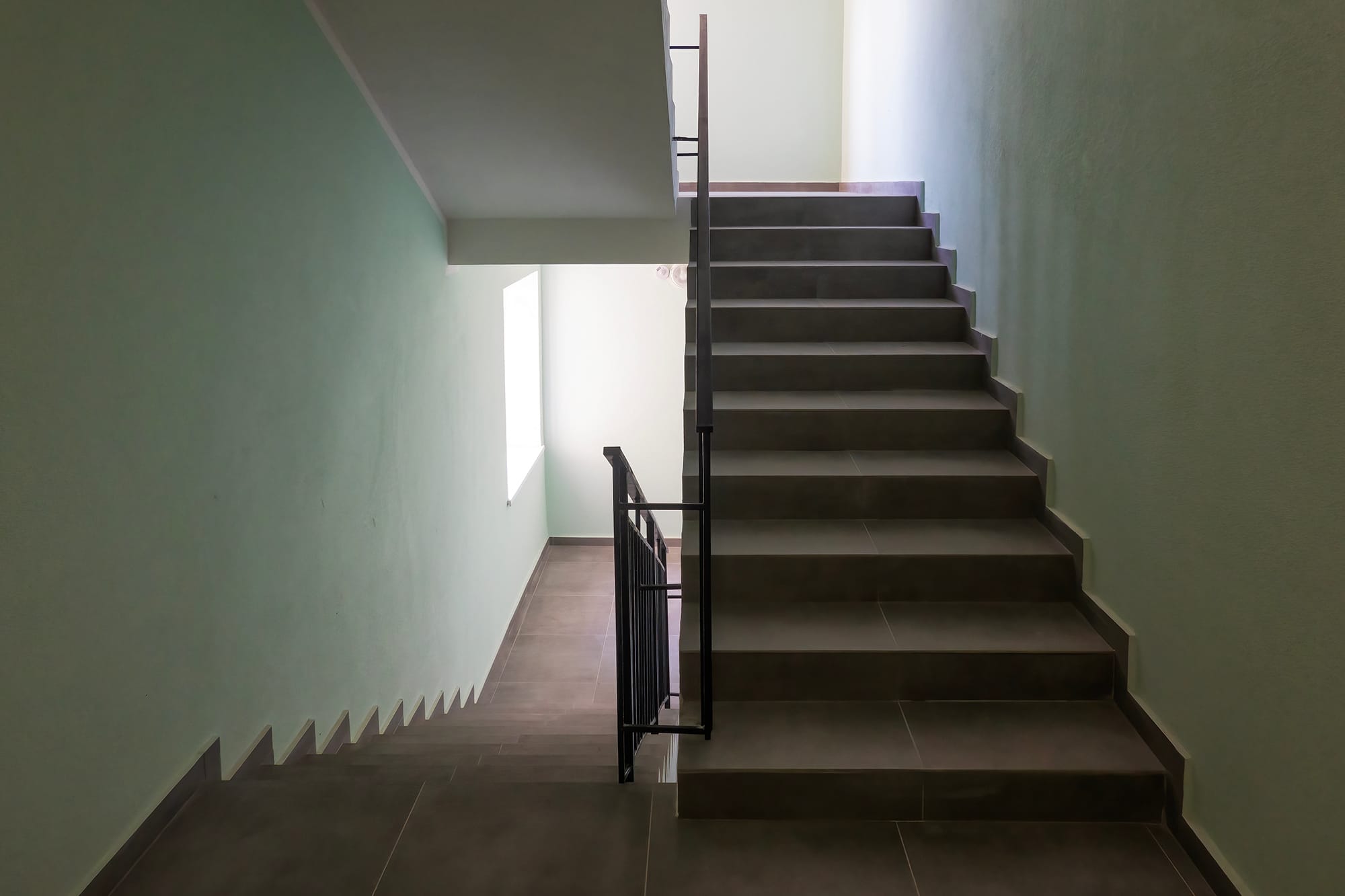
Culver City just became the first place in California to legalize six‑story apartment buildings with only one staircase — a simple change that could reshape mid‑rise housing statewide. By freeing up as much as 7% more usable floor space, architects say single‑stair designs allow bigger units, more windows, and the kind of elegant layouts common in New York and Europe. If the city’s six‑year experiment succeeds, it may spark a broader rethinking of U.S. building codes and open the door to more flexible, affordable multifamily development across California.

Stratford Launches 2025 Property Revaluation, Sending New Assessments to Homeowners

Stratford homeowners are receiving their 2025 Notices of Assessment Change, marking the town’s first property revaluation since 2019. Officials emphasize that rising assessments do not equal higher tax bills, as a new mill rate won’t be set until spring 2026. Residents can challenge or review their updated valuations through informal hearings hosted by Vision Government Solutions, with appointments available for one week after receiving a notice.

Florida Homeowners Buckle Under Nation-Leading Insurance Premiums as Crisis Deepens

New reporting reveals Florida homeowners now face an average insurance premium of $5,838 per year — nearly triple the national average. With skyrocketing rates, denied claims, and mounting non-renewals, residents are being pushed to tough financial decisions while lawmakers scramble to implement reforms. From retirees skipping coverage to families battling insurers for fair payouts, Florida’s insurance crisis is reshaping both the housing market and the daily lives of homeowners statewide.