In a world where urban landscapes are continuously evolving, the University of Southern California’s Price School stands as a beacon of innovation and education. For over three decades, the Price School has been at the forefront of real estate education, proudly offering one of the first academic degrees in this field. Today, the Bachelor of Science in Real Estate Development (BRED) program equips students with the essential tools to transform communities globally.

Honing Skills to Shape Cities and Communities

Real estate professionals are the architects of our communities, and with a Bachelor’s in Real Estate Development, students delve into the intricacies of finance, urban planning, architectural design, and public policy. This comprehensive curriculum is designed to navigate the complexities of the profession. Students have the opportunity to put classroom knowledge into action through internships and capstone projects, preparing them to tackle the meaningful challenges of a career in real estate.

Why Choose Price?

Choosing USC Price for your real estate development degree means gaining both comprehensive knowledge and practical, hands-on experience. The program is designed to build a robust resume through internships, case studies, and real-world projects. Moreover, learning from leaders in the field, including experts from government, finance, and transportation sectors, ensures that students are well-prepared for the industry.

Connectedness is Key

The program offers a vast network of connections through the classroom, guest speakers, career services, student organizations, and the renowned Trojan Family network. These connections are invaluable in launching a successful career in real estate.

Preparing You to Succeed

Beyond academics, students are encouraged to reflect on their role in shaping cities. Career counseling and extracurricular programs provide a comprehensive understanding of real estate career options. Internship experiences offer direct exposure to real estate firms, allowing students to apply classroom skills to real-world situations.

Students can also benefit from two notable networks within the real estate program:

  1. USC Trojan Real Estate Association: A forum for students to establish their network of contacts, hosting alumni speaker panels, site visits, and opportunities to meet with real estate employers.
  2. The USC Lusk Center for Real Estate: Known as a prominent real estate research center, it convenes industry leaders, students, and faculty to examine the current state of the industry and future opportunities.


Explore Minors and Progressive Degrees

Students have the option to add a minor to specialize their skillset or pursue a master’s degree in just five years through progressive degrees. This opportunity is available for exceptional students in the PPD major and the broader USC undergraduate community.

For those interested in exploring further, undergraduate minors and progressive degrees offer pathways to enhance educational and career prospects.

In conclusion, the USC Price School’s Bachelor of Science in Real Estate Development is a gateway to a transformative career, providing the knowledge, experience, and connections necessary to make a lasting impact on communities worldwide. For more information, prospective students are encouraged to reach out to the faculty, including Richard K. Green and Mary Lynne Boorn, or visit the program’s webpage.

More Articles

Getting licensed or staying ahead in your career can be a journey—but it doesn’t have to be overwhelming. Grab your favorite coffee or tea, take a moment to relax, and browse through our articles. Whether you’re just starting out or renewing your expertise, we’ve got tips, insights, and advice to keep you moving forward. Here’s to your success—one sip and one step at a time!

Judge Blocks Class Status in Major Commission Lawsuit, Shaking Up the Real Estate Industry

A federal judge has denied class‑certification in the high‑stakes Batton commission lawsuit, delivering a temporary win for NAR and major brokerages while leaving the door open for plaintiffs to try again. With as much as $3.6 billion in potential damages on the line and nearly 80% of the proposed class now disqualified due to conflicts with earlier settlements, the case stands at a pivotal moment. Real estate professionals nationwide — especially in Florida — should watch closely, as the ruling could shape the future of buyer‑agent compensation.

Florida Homeowners Hit Hard by Skyrocketing Insurance Rates as Lawmakers Race Toward Reform

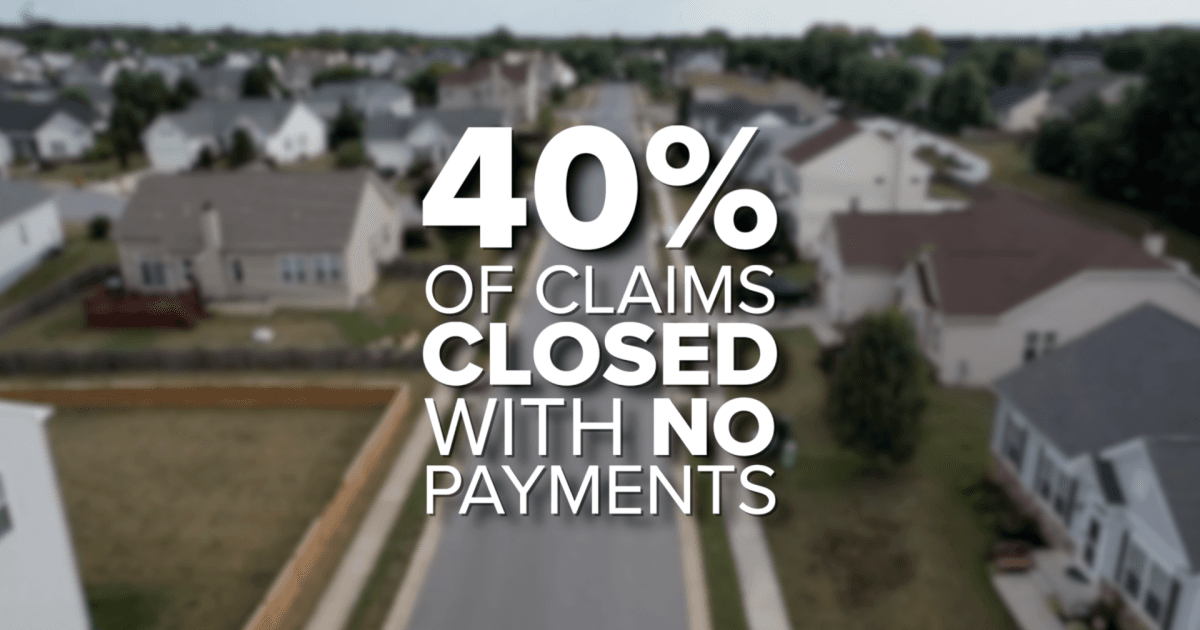
Florida homeowners are paying nearly double the national average for insurance, with premiums now reaching $5,838 a year and denied claims topping 40 percent. Residents report tripled rates, underpaid claims, and mounting financial strain, pushing lawmakers in Tallahassee to propose caps on rate hikes, tax breaks for storm‑proof upgrades, and tighter oversight of insurers. These developments are reshaping real estate and insurance conversations across the state as professionals brace for major industry shifts.

Inside Berkshire County’s Surging 2025 Real Estate Market: Q3 Deep Dive

Berkshire County closed Q3 2025 with strong momentum as sales, dollar volume, and buyer competition all climbed year‑over‑year. Inventory showed slight improvement but remains far below demand, keeping the market tilted toward sellers. Single‑family homes and condos led the surge, while multifamily, land, and commercial sectors showed mixed performance. The region continues to stand out as one of New England’s most resilient real estate markets heading into 2026.

Florida Homeowners Are Reaching a Breaking Point as Insurance Costs Skyrocket

Florida homeowners now face the highest insurance burdens in the nation, with average premiums topping $5,800 per year—roughly $3,000 above the national average. As rates triple for some residents, more Floridians are skipping coverage altogether, while denied claims and slow payouts add to the frustration. With over 40 percent of claims closing with no payment and lawmakers battling over reform in Tallahassee, the crisis is reshaping budgets, homebuying decisions, and the real estate industry statewide.

How Global Investors Are Rewriting the Real Estate Playbook for 2026

Global capital is surging back into real estate—and this time, investors want more control. Colliers’ 2026 Global Investor Outlook reveals a major shift toward direct investments, joint ventures, and hands‑on strategies as money moves across North America, Europe, and the booming Asia‑Pacific markets. Data centers are now the top‑funded asset class, offices are staging a comeback, and adaptive reuse is reshaping cities worldwide. For real estate and finance professionals, the message is clear: opportunity is accelerating, and those with the right education and licensing will be at the center of the action.

Why Lower Interest Rates Still Aren’t Saving Commercial Real Estate

The Fed’s recent rate cuts should have offered relief to commercial real estate—but long-term borrowing costs haven’t budged. While short‑term rates are falling, stubborn long‑term yields, broken deal math, and a trillion‑dollar refinancing wave are keeping the market frozen. For investors and professionals across Florida and the nation, understanding this disconnect is key to navigating the opportunities and risks emerging in today’s shifting CRE landscape.