C-PACE Financing Surges to Record Levels: Why This Niche CRE Tool Is Suddenly Reshaping the Market
In an environment where traditional lending has slowed dramatically, one niche financing tool is unexpectedly soaring — and reshaping how modern commercial real estate projects get funded. It’s called C‑PACE (commercial property assessed clean energy), and its rise has been nothing short of explosive.
As reported by CNBC, the industry is seeing more C‑PACE originations than ever, including a record-breaking $465 million loan for The Geneva — a high-profile office-to-residential conversion in Washington, D.C.
What Makes C‑PACE So Different?
C‑PACE is repaid through a property tax assessment over 20–30 years — offering fixed payments, predictable timelines, and the ability to fund major improvements that lower long-term operating costs. These features make it immensely appealing to both developers and institutional lenders.
Quick Breakdown: Why Developers Love C‑PACE
• Ultra‑long repayment terms
• Fixed interest rates
• Funds energy, water, and resiliency upgrades
• May increase property value while reducing operating expenses
• Can be used retroactively to refinance or recapitalize projects
C‑PACE adoption has skyrocketed to nearly $10 billion in cumulative investment. Forty states have now authorized the program, with 32 running active initiatives — a stunning increase from just six active programs in 2015.
Major Players Are Fueling the Momentum
Nuveen Green Capital closed an incredible $2.1 billion in C‑PACE loans across 53 deals in 2025 alone. Their landmark projects include the $290 million Pendry Hotel & Residences in Tampa — the city’s first-ever C‑PACE financing.
Meanwhile, Peachtree Group completed a $176.5 million deal for the Rio Hotel & Casino in Las Vegas, showing that C‑PACE goes far beyond green upgrades — it can be a powerful restructuring and recapitalization tool for major hospitality and entertainment assets.
A Financing Tool Built for Today’s Economy
With higher-for-longer interest rates and shrinking traditional CRE lending, C‑PACE offers a uniquely resilient structure. Because it’s tied to a senior tax assessment, lenders view it as more secure — a major draw for insurance companies and institutional buyers seeking reliable, long‑duration assets.
As Alexandra Cooley, CEO of Nuveen Green Capital, puts it: “Our borrower is really the property itself… it’s safer, and it enables our investors to have that duration.”
Beyond Sustainability — A Tool for Resilience
Despite the “clean energy” label, most C‑PACE deals actually fund resiliency improvements — upgrades that protect buildings from wildfires, hurricanes, flooding, and seismic events. In a world of intensified climate risk, resilience isn’t optional; it’s essential.
Why This Matters for Real Estate Professionals
Developers, investors, brokers, lenders — anyone connected to CRE should understand the rising role of C‑PACE. Its rapid growth indicates a profound shift in how the next decade of redevelopment and adaptive reuse will be financed.
If you’re building your CRE expertise — especially in active markets like Florida — understanding evolving financing tools like C‑PACE can give you a strategic edge.
Learn More, Grow Faster with Cameron Academy
As alternative financing methods like C‑PACE reshape commercial real estate, Cameron Academy helps professionals stay ahead. We offer online real estate, mortgage, and financial licensing courses across all 50 states — including Florida, where C‑PACE adoption is accelerating.
Advance your career with flexible, accredited training designed for modern professionals who want to stay competitive.
For a deeper dive into this industry-shifting trend, explore CNBC’s full coverage.
More Articles
Getting licensed or staying ahead in your career can be a journey—but it doesn’t have to be overwhelming. Grab your favorite coffee or tea, take a moment to relax, and browse through our articles. Whether you’re just starting out or renewing your expertise, we’ve got tips, insights, and advice to keep you moving forward. Here’s to your success—one sip and one step at a time!
Just 48 hours after NAR unveiled major revisions to its MLS policies, plaintiffs in the Michigan-based Hardy lawsuit moved to use those changes as evidence, arguing they prove NAR’s prior rules were anticompetitive. NAR denies any wrongdoing, but the case is quickly becoming a key test for whether MLS access should require Realtor membership — a question now echoing across multiple states and potentially reshaping how real estate professionals nationwide access the industry’s most essential tool.
Florida homeowners are now paying some of the highest insurance premiums in the country, with average costs topping $5,800 per year—nearly double the national average. Residents report skyrocketing rates, denied claims, and tough choices between costly coverage and financial risk. As frustration grows, lawmakers and consumer advocates are pushing new reforms aimed at increasing transparency, capping rate hikes, and protecting policyholders in one of the nation’s most volatile insurance markets.
Economic uncertainty, rapid AI adoption, tighter capital flows, and rising portfolio risk are reshaping the 2026 commercial real estate landscape. From shifting workforce patterns to a national housing attainability crisis, the industry is entering a data‑driven, fundamentals‑focused era—making adaptability, education, and tech literacy essential for real estate professionals.
Mortgage rates have climbed to 6.23 percent as investors grow doubtful that the Federal Reserve will deliver a rate cut in December. A soft but unclear jobs report and persistent inflation have pushed borrowing costs higher, reversing October’s brief relief in the housing market. Real estate and mortgage professionals should prepare clients for continued volatility as the Fed’s December meeting approaches.
After years of tight inventory, high mortgage rates, and sluggish sales, economists say 2026 is shaping up to be the turnaround real estate professionals have been waiting for. NAR projects a 14 percent jump in home sales, mortgage rates easing toward 6 percent, and buyer demand finally gaining momentum. While higher‑end homes are moving quickly, first‑time buyers continue to face affordability challenges, and price reductions are reappearing as sellers adjust to shifting conditions. For Florida agents, brokers, and newcomers, the stage is being set for a busy and opportunity‑rich year.
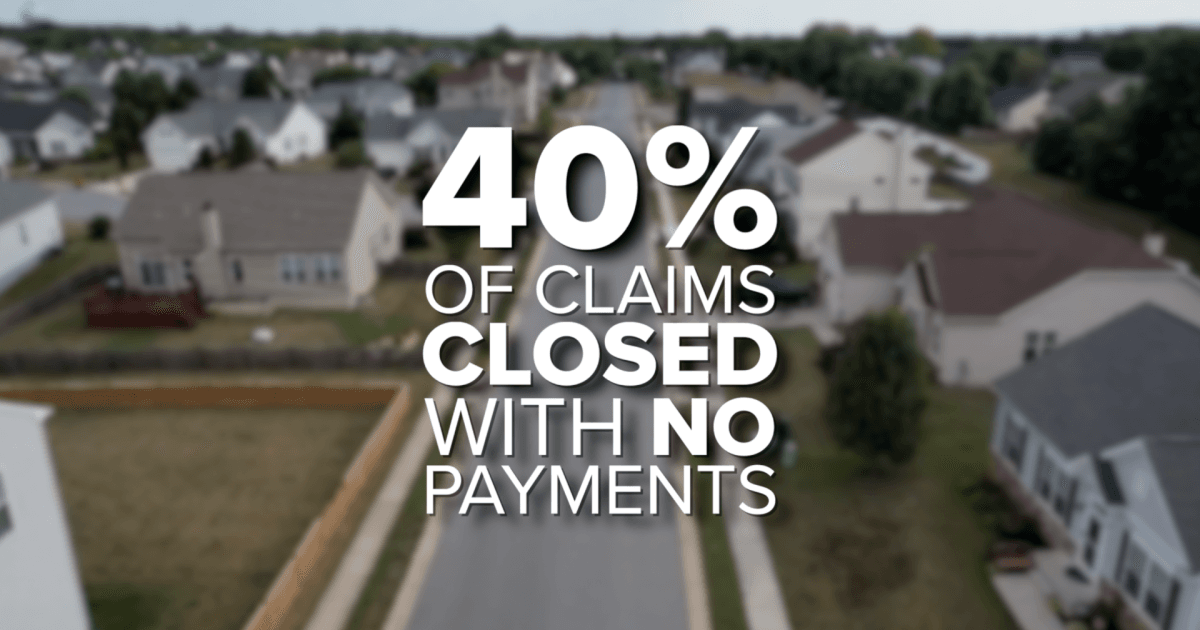
Florida’s average homeowner insurance premium has soared to $5,838 a year—almost $3,000 above the national average—pushing many residents to the financial brink. From tripled premiums to lowball claim payouts, homeowners are speaking out as frustration mounts. Some are even dropping coverage entirely. With more than 40% of claims closed without payment and policy cancellations at record levels, lawmakers are pushing for reforms, but political hurdles remain. The outcome could reshape Florida real estate, insurance, and mortgage markets for years to come.