C-PACE Financing Surges to Record Levels: Why This Niche CRE Tool Is Suddenly Reshaping the Market
In an environment where traditional lending has slowed dramatically, one niche financing tool is unexpectedly soaring — and reshaping how modern commercial real estate projects get funded. It’s called C‑PACE (commercial property assessed clean energy), and its rise has been nothing short of explosive.
As reported by CNBC, the industry is seeing more C‑PACE originations than ever, including a record-breaking $465 million loan for The Geneva — a high-profile office-to-residential conversion in Washington, D.C.
What Makes C‑PACE So Different?
C‑PACE is repaid through a property tax assessment over 20–30 years — offering fixed payments, predictable timelines, and the ability to fund major improvements that lower long-term operating costs. These features make it immensely appealing to both developers and institutional lenders.
Quick Breakdown: Why Developers Love C‑PACE
• Ultra‑long repayment terms
• Fixed interest rates
• Funds energy, water, and resiliency upgrades
• May increase property value while reducing operating expenses
• Can be used retroactively to refinance or recapitalize projects
C‑PACE adoption has skyrocketed to nearly $10 billion in cumulative investment. Forty states have now authorized the program, with 32 running active initiatives — a stunning increase from just six active programs in 2015.
Major Players Are Fueling the Momentum
Nuveen Green Capital closed an incredible $2.1 billion in C‑PACE loans across 53 deals in 2025 alone. Their landmark projects include the $290 million Pendry Hotel & Residences in Tampa — the city’s first-ever C‑PACE financing.
Meanwhile, Peachtree Group completed a $176.5 million deal for the Rio Hotel & Casino in Las Vegas, showing that C‑PACE goes far beyond green upgrades — it can be a powerful restructuring and recapitalization tool for major hospitality and entertainment assets.
A Financing Tool Built for Today’s Economy
With higher-for-longer interest rates and shrinking traditional CRE lending, C‑PACE offers a uniquely resilient structure. Because it’s tied to a senior tax assessment, lenders view it as more secure — a major draw for insurance companies and institutional buyers seeking reliable, long‑duration assets.
As Alexandra Cooley, CEO of Nuveen Green Capital, puts it: “Our borrower is really the property itself… it’s safer, and it enables our investors to have that duration.”
Beyond Sustainability — A Tool for Resilience
Despite the “clean energy” label, most C‑PACE deals actually fund resiliency improvements — upgrades that protect buildings from wildfires, hurricanes, flooding, and seismic events. In a world of intensified climate risk, resilience isn’t optional; it’s essential.
Why This Matters for Real Estate Professionals
Developers, investors, brokers, lenders — anyone connected to CRE should understand the rising role of C‑PACE. Its rapid growth indicates a profound shift in how the next decade of redevelopment and adaptive reuse will be financed.
If you’re building your CRE expertise — especially in active markets like Florida — understanding evolving financing tools like C‑PACE can give you a strategic edge.
Learn More, Grow Faster with Cameron Academy
As alternative financing methods like C‑PACE reshape commercial real estate, Cameron Academy helps professionals stay ahead. We offer online real estate, mortgage, and financial licensing courses across all 50 states — including Florida, where C‑PACE adoption is accelerating.
Advance your career with flexible, accredited training designed for modern professionals who want to stay competitive.
For a deeper dive into this industry-shifting trend, explore CNBC’s full coverage.
More Articles
Getting licensed or staying ahead in your career can be a journey—but it doesn’t have to be overwhelming. Grab your favorite coffee or tea, take a moment to relax, and browse through our articles. Whether you’re just starting out or renewing your expertise, we’ve got tips, insights, and advice to keep you moving forward. Here’s to your success—one sip and one step at a time!
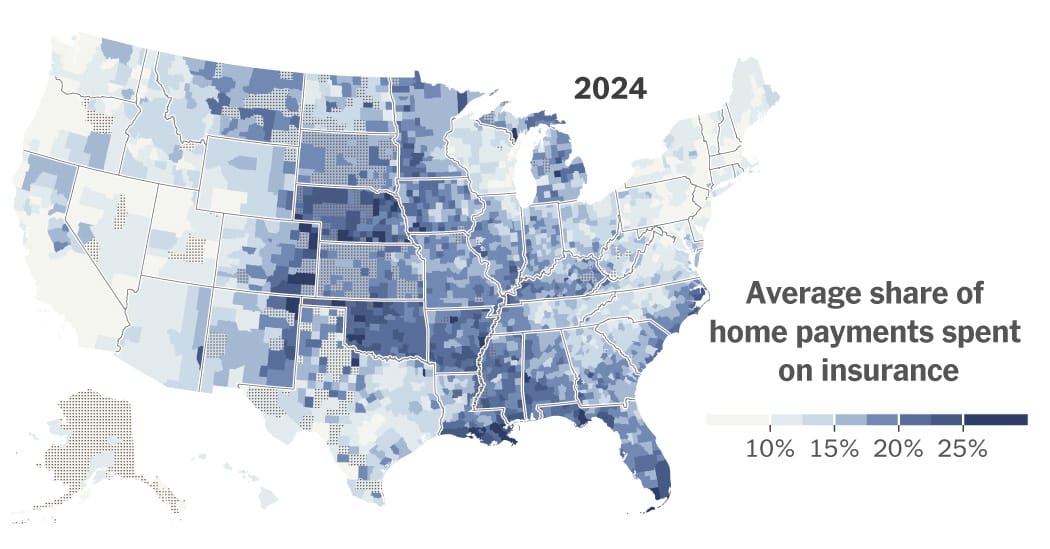
A surge in home insurance premiums is reshaping housing markets across the country, hitting disaster‑prone regions the hardest. From Louisiana to Colorado and California, deals are collapsing, buyers are backing out, and home values are dropping as insurance becomes a central affordability hurdle. New data shows climate‑driven risk repricing and soaring reinsurance costs are stripping tens of thousands of dollars from property values, forcing some homeowners to sell at a loss—or go uninsured altogether.
After years of sluggish activity, the National Association of REALTORS predicts 2026 could mark the long‑awaited rebound for the housing market. With a projected 14% jump in home sales, steadier rates near 6%, and rising buyer activity, NAR economists say momentum is already building. Early signs—like a 31% surge in mortgage applications, continued job growth, and stabilizing prices—suggest a stronger, more confident market ahead, creating fresh opportunities for both seasoned professionals and aspiring agents preparing to enter the field.
A surge of global capital is reshaping real estate heading into 2026, with investors shifting toward hands‑on strategies, cross‑border diversification, and high‑growth asset classes like data centers. Colliers’ 2026 Global Investor Outlook highlights rising confidence, improving liquidity, and a major pivot toward direct investing and value‑add opportunities. From office market rebounds to Asia Pacific’s rapid fundraising growth, the report outlines trends every real estate professional should understand as the industry enters a more dynamic, opportunity‑rich cycle.
Culver City just became the first place in California to legalize six‑story apartment buildings with only one staircase — a simple change that could reshape mid‑rise housing statewide. By freeing up as much as 7% more usable floor space, architects say single‑stair designs allow bigger units, more windows, and the kind of elegant layouts common in New York and Europe. If the city’s six‑year experiment succeeds, it may spark a broader rethinking of U.S. building codes and open the door to more flexible, affordable multifamily development across California.
Stratford homeowners are receiving their 2025 Notices of Assessment Change, marking the town’s first property revaluation since 2019. Officials emphasize that rising assessments do not equal higher tax bills, as a new mill rate won’t be set until spring 2026. Residents can challenge or review their updated valuations through informal hearings hosted by Vision Government Solutions, with appointments available for one week after receiving a notice.
New reporting reveals Florida homeowners now face an average insurance premium of $5,838 per year — nearly triple the national average. With skyrocketing rates, denied claims, and mounting non-renewals, residents are being pushed to tough financial decisions while lawmakers scramble to implement reforms. From retirees skipping coverage to families battling insurers for fair payouts, Florida’s insurance crisis is reshaping both the housing market and the daily lives of homeowners statewide.