California’s Insurance Crisis: How Political Delays, Climate Pressure, and Broken Systems Collided
California’s property insurance market didn’t collapse overnight—it was a slow-motion train wreck years in the making. Long before the devastating Los Angeles wildfires that destroyed nearly 13,000 homes, warning signs were flashing across the state. But despite the alarms, meaningful intervention lagged, and today millions of Californians find themselves caught in one of the most severe insurance crises in state history.
The Los Angeles Times investigation at the heart of this story pulls back the curtain on how it all unfolded—highlighting political missteps, industry pressure, and the real-world impact on homeowners.
A Market in Freefall
In mid-2023, California’s biggest insurers began shedding customers en masse. Thousands received non-renewal notices, and companies refused to take on new policies in major regions. Rising reinsurance costs, inflation, and years of rate-hike delays pushed major carriers to the edge.
And just as California burned—insurance options vanished.
Interactive Insight
Want to explore how reinsurance affects your premiums? Hover or tap below.
Reinsurance = insurance for insurance companies.
When reinsurers raise rates, carriers pay more.
When carriers pay more, homeowners eventually pay more too.
Commissioner Ricardo Lara: At the Center of the Storm
California Insurance Commissioner Ricardo Lara found himself at ground zero. While the market deteriorated rapidly, Lara attended industry events—including a four‑day trip to Bermuda featuring dinners, cocktail cruises, and a “Pride and Prosecco” mixer hosted by reinsurers.
Reinsurers had much to gain. Rates were skyrocketing, and carriers wanted Lara to approve passing those costs to consumers. Weeks after returning from Bermuda, Lara agreed in closed-door meetings arranged by Gov. Gavin Newsom—approving faster rate hikes, weaker consumer protections, and softer bailout rules.
The Human Toll
Behind the politics are families whose lives were destroyed. Home survivors in the Eaton and Palisades fires found themselves trapped between burned homes, minimal FAIR Plan coverage, and delayed or denied payouts.
Many have publicly demanded Lara’s resignation.
A Crisis Years in the Making
Its origins stretch back to 2017–2019, when new catastrophe models predicted massive wildfire losses. Reinsurers doubled prices. Carriers had two options: raise rates drastically or drop customers.
California’s regulatory delays—once 4–6 months, now close to a year—only worsened the collapse.
Data Snapshot
FAIR Plan policy growth:
2019: 123,657 policies
2025: Over 645,000 policies
A fivefold surge—proof the traditional market is disintegrating.
The High-Stakes Negotiations
The final “market stabilization plan” granted insurers permission to charge for reinsurance, use predictive models, and receive faster rate reviews. In exchange, they were expected to recommit to high‑risk zones—but loopholes allow many to sidestep those promises.
Is the Crisis Fixable?
Lara calls his reforms transformational. Critics call them dangerous. New filings show most insurers plan no meaningful return to high‑risk areas despite premium increases that could cost households hundreds more.
Why Professionals Should Care
The insurance collapse is reshaping California’s real estate, mortgage, and development ecosystems. When insurance disappears, deals die.
For professionals—or anyone entering fields like real estate, mortgage, or insurance—staying informed is essential. Institutions such as Cameron Academy continue providing education that prepares professionals for the regulatory and market shifts shaping their careers.
Explore the Original Investigation
For a deeper dive into California’s insurance crisis, explore the source:
Getting licensed or staying ahead in your career can be a journey—but it doesn’t have to be overwhelming. Grab your favorite coffee or tea, take a moment to relax, and browse through our articles. Whether you’re just starting out or renewing your expertise, we’ve got tips, insights, and advice to keep you moving forward. Here’s to your success—one sip and one step at a time!
Long Island’s commercial real estate market just smashed every previous record, hitting an unprecedented $4.1 billion in 2025 deal volume—up a massive 71.5 percent from the year before. A surge in specialty-use properties like assisted living centers and self-storage facilities fueled the boom, alongside hundreds of new transactions across Nassau and Suffolk counties. With investor confidence rebounding, interest rates easing, and new buyer profiles entering the scene, the region has become one of the hottest real estate markets to watch.
Federal cuts to housing oversight in 2026 are creating a nationwide regulatory scramble, with states—especially California—rapidly stepping in to fill the gap. As the CFPB reduces its enforcement role, lawmakers and agencies across the country are crafting their own rules on mortgage compliance, consumer protection, affordability, and even AI‑driven underwriting. For real estate, mortgage, and finance professionals, the message is clear: state regulations are becoming just as influential as federal policy, making ongoing education and compliance awareness more critical than ever.
The insurance industry poured an eye‑opening $172 million into federal lobbying in 2025, making it the fourth‑largest lobbying sector in the country. Medical insurers led the spending, but property and casualty giants weren’t far behind, with APCIA, Nationwide, Liberty Mutual, and Allstate all landing among the top contributors. And this is only federal spending—state‑level influence, where regulations are truly shaped, remains vastly underreported. For professionals in insurance, real estate, and finance, these lobbying efforts play a powerful role in shaping regulations, costs, and the competitive landscape.
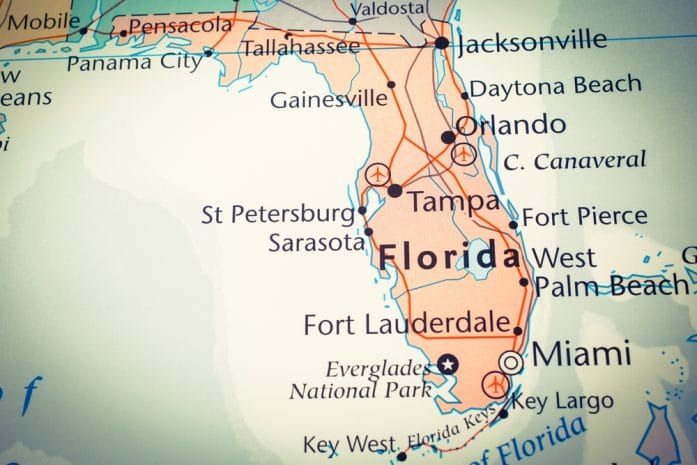
Florida’s home insurance market saw a 3.35% non-renewal rate last year—a small percentage that translated into hundreds of thousands of homeowners suddenly losing coverage. Driven by repeated storm damage, soaring construction costs, heavy litigation, and insurers pulling back from high-risk areas, the state’s insurance landscape is rapidly shifting. Homeowners now face higher premiums, fewer options, and tougher underwriting, while professionals in real estate, mortgage, and insurance must stay informed to guide clients through a tightening market.
Florida’s recent tort reforms are doing far more than reshaping the state’s legal system—they’re driving down property and casualty insurance costs by an average of 14.5% and injecting over $4.2 billion into the state’s economy each year. With nearly 30,000 jobs supported and state and local governments seeing hundreds of millions in new tax revenue, the changes are already transforming Florida’s insurance market. Lawsuits have dropped, insurers are returning, and businesses and homeowners alike are reaping the benefits of a more balanced, competitive, and financially resilient environment.
Major commercial real estate firms are reporting strong revenue and renewed market activity, signaling a rebound in dealmaking and office demand. Yet even with record earnings, CEOs from CBRE, Colliers, and Marcus & Millichap spent much of their earnings calls addressing a growing concern: whether artificial intelligence could threaten traditional brokerage and valuation roles. While leaders insist that complex transactions still rely on human relationships and negotiation, AI‑related market jitters briefly pushed some CRE stocks down before they recovered.