Cape Coral Faces Spike in Housing Costs Two Years After Hurricane Ian
CAPE CORAL, Fla. — As the Atlantic Hurricane Season looms, forecasts indicate increased activity, casting a shadow over Florida’s southwest coast where Cape Coral is still dealing with the aftermath of Hurricane Ian. The storm, which struck over a year and a half ago, left a trail of destruction valued at more than $117 billion, impacting housing and insurance costs significantly. Many homeowners, facing unsustainable financial burdens, have put their properties on the market.
Cape Coral, with its intricate network of 400 miles of canals providing boat access to the Gulf of Mexico, attracted residents like Jerry Smith from New Jersey. He moved there during the COVID pandemic, drawn by visions of a serene Florida lifestyle. Although Smith’s home suffered only minor damage, insurance premiums have increased dramatically, posing financial challenges for locals.
In the late 1950s, developers transformed Cape Coral into what they marketed as a “waterfront wonderland,” but today, such a venture might never materialize due to environmental considerations. Realtor Sam Yaffe notes that, while Cape Coral once offered a cost advantage, recent months have seen a slowdown in sales, attributed primarily to soaring mortgage rates and rising insurance costs.
A study by First Street reveals Cape Coral has more properties at risk of flooding than any other city in Florida. Following Hurricane Ian, FEMA withdrew the city’s flood insurance discount, blaming improper rebuilding practices. The resultant 25% hike in flood insurance rates prompted Mayor John Gunter to describe the decision as “another catastrophic event.”
Cape Coral is contesting FEMA’s action, holding hearings for numerous homeowners accused of guideline violations. Among them, Sherry Oakes managed to prove minimal storm damage, yet she remains concerned about the increasing cost of living in the area, with her annual insurance bill already at $8,000.
As climate change continues to exert pressure, Jeremy Porter of First Street predicts nearly every home in Cape Coral will face flood risks by 2050. The rising insurance costs reflect these changes, posing a growing challenge to the notion of affordable coastal living.
Despite the financial hurdles, homeowner Jerry Smith believes the draw of coastal life—warmth, water access, and natural beauty—will always attract residents willing to bear the additional costs. However, with interest rates soaring, cash transactions dominate Cape Coral’s real estate market.
For further reference, see the studies linked in the original article:
Getting licensed or staying ahead in your career can be a journey—but it doesn’t have to be overwhelming. Grab your favorite coffee or tea, take a moment to relax, and browse through our articles. Whether you’re just starting out or renewing your expertise, we’ve got tips, insights, and advice to keep you moving forward. Here’s to your success—one sip and one step at a time!
In a rapidly evolving healthcare landscape, the Arab Health 2025 exhibition in Dubai emerges as a pivotal event, set to showcase the transformative role of technology in medicine across the Middle East.
The world of healthcare is on the brink of a revolution, as new technologies promise to reshape the landscape of medicine by 2025. As reported by The Island News, these advancements are poised to bring about transformative changes, ensuring that the future of healthcare is both innovative and patient-centric.
Modern wearables, particularly smartwatches, now offer functionalities such as heart rate monitoring, oxygen saturation, blood pressure tracking, and ECG readings. These features support the growing concepts of quantified self, body hacking, and self-surveillance, fostering a proactive approach to health management.
The cyber insurance and reinsurance industry is on a trajectory towards sustained profitability through 2025, as highlighted by a recent assessment from S&P Global Ratings. This optimism stems from consistent underwriting gains anticipated for 2023 and 2024, primarily driven by significant premium rate hikes and stricter policy terms implemented between 2021 and 2022.
2025 has ushered in a new era of innovation that seamlessly integrates convenience, security, and efficiency into our daily lives, creating a cohesive ecosystem that elevates your home’s IQ.
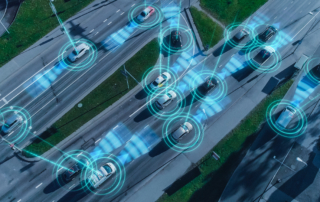
V2X technology enables seamless communication between vehicles, pedestrians, and infrastructure, transforming a vision once confined to science fiction into a tangible reality.