CDK Global’s Cyberattack Disrupts U.S. Car Dealerships
In a significant cyberattack that has disrupted operations across the United States, CDK Global, a leading provider of cloud-based software to automotive dealerships, was forced to shut down most of its systems. This precautionary measure, described as taken “out of an abundance of caution” by spokesperson Lisa Finney, left dealerships resorting to manual, handwritten forms to continue operations.
CDK Global, which supports over 15,000 retail locations in North America, began a system restoration process that is expected to take several days. The company had initially restored some systems, but a subsequent cyberattack forced them offline again. This incident has highlighted the vulnerabilities and rising trend of cyberattacks targeting the auto industry.
Ransom Demands and Cybersecurity Challenges
According to a report by Bloomberg News, an insider revealed that a group believed to be based in Eastern Europe is demanding tens of millions of dollars in ransom. There are rumors that CDK might comply with the demands, though this remains unconfirmed.
The incident underscores the urgent need for fortified cybersecurity measures within the auto industry. Despite CDK Global’s emphasis on a robust cybersecurity strategy, the attack has exposed significant challenges in mitigating such threats. This situation is not isolated, as a recent attack on Findlay Automotive Group further illustrates the growing threat to dealerships.
Dealerships Adapting to Challenges
Dealerships like Northtown Automotive Companies in Buffalo, New York, have implemented contingency plans that allowed them to continue operations using manual methods. Craig Schreiber, one of the company’s owners, noted that their preparedness enabled them to go “old school” with handwritten forms, though he acknowledged the inevitable backlog once systems are restored.
Eric Watson, vice president of sales operations for Kia America, acknowledged the disruption to “many Kia Dealers” using CDK’s platform and advised them to rely on manual tools in the interim. This advice reflects a broader need for dealerships to enhance their preparedness against cyber threats.
Why Are Dealerships Targeted?
Car dealerships have become attractive targets for cybercriminals due to the vast amounts of sensitive customer data they hold, including credit applications and financial information. A 2023 report from CDK highlighted that 17% of surveyed dealers experienced a cyberattack in the past year, with 46% reporting negative financial or operational impacts.
The interconnected nature of dealership systems with external interfaces and often outdated software further exacerbates their vulnerability, as noted in a 2023 article from Zurich North America.
“`
More Articles
Getting licensed or staying ahead in your career can be a journey—but it doesn’t have to be overwhelming. Grab your favorite coffee or tea, take a moment to relax, and browse through our articles. Whether you’re just starting out or renewing your expertise, we’ve got tips, insights, and advice to keep you moving forward. Here’s to your success—one sip and one step at a time!
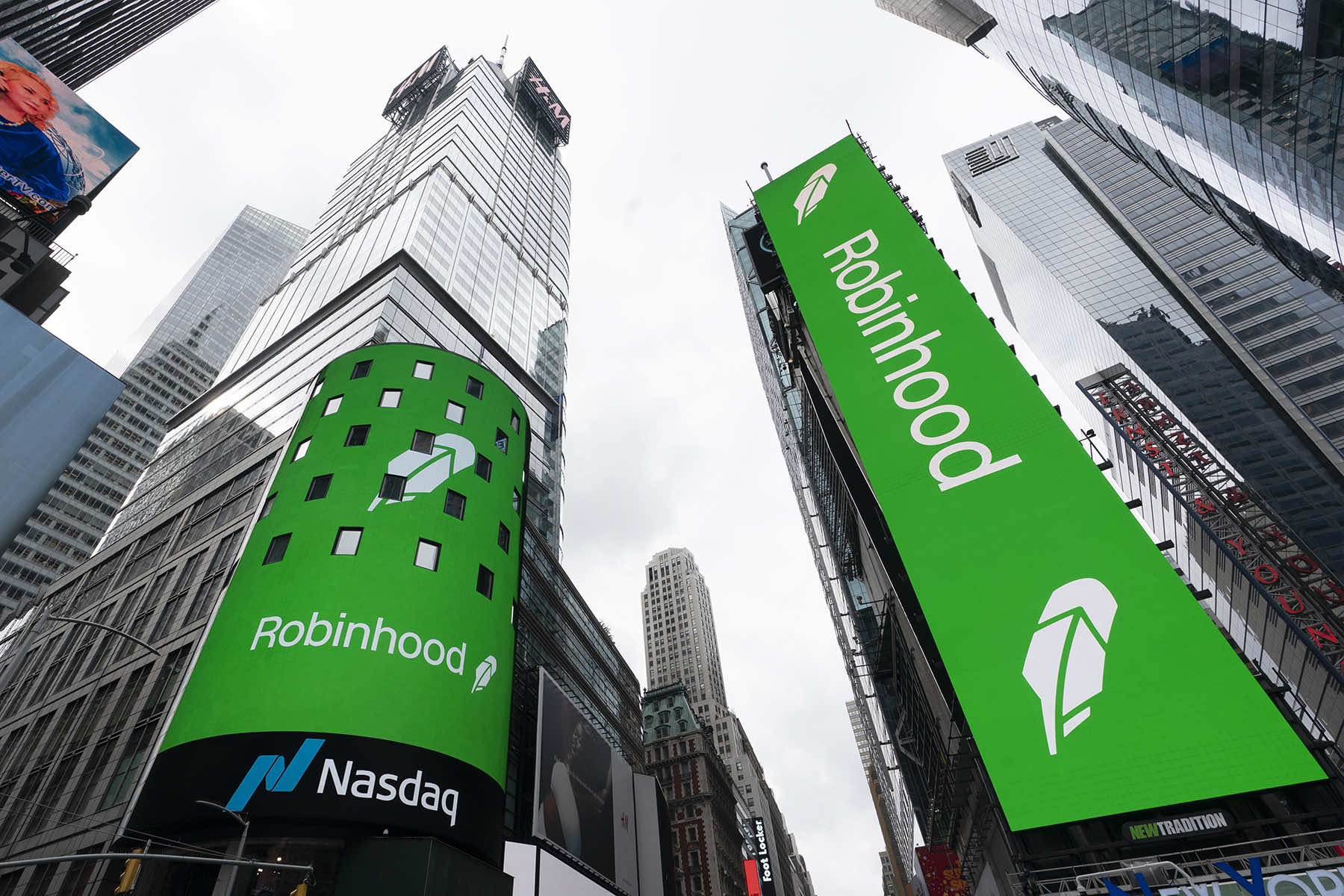
Tokenization has surged from crypto niche to global financial disruptor as institutions like Robinhood, BlackRock, and Coinbase race to digitize real-world assets. With pro‑crypto political momentum, shifting regulations, and private companies resisting newfound transparency, this emerging wave is transforming how investments are bought, sold, and accessed. For professionals in real estate, finance, lending, and insurance, this shift signals massive opportunity—and equally massive responsibility—as the next era of asset ownership takes shape.
Florida homeowners are finally getting relief as Citizens Property Insurance announces an average 8.7% statewide rate reduction for 2026, with South Florida seeing cuts as high as 14%. Driven by recent tort reforms and a stabilizing market, these decreases signal a major turnaround for an industry once on the brink of collapse — and a potential boost for real estate activity across the state.
After years of roller‑coaster chaos, the 2026 U.S. housing market is easing into something professionals haven’t seen in a long time: balance. Inventory growth has slowed to just 10% year over year—down sharply from 2025’s surge—signaling the end of the pandemic‑era scarcity and the rise of a market driven by real‑time demand and interest rates. With seasonal patterns returning, negotiations replacing bidding wars and rates drifting toward 6%, agents, lenders and investors are finally navigating conditions that look… normal.
More than half of Gen Z investors say they entered the stock market because of social media—not textbooks, not advisors. Viral creators, AI tools, and crypto trends are reshaping how young adults learn about money, invest early, and chase financial freedom. This Fortune‑featured shift highlights a generation determined to build wealth fast, trust digital voices over traditional institutions, and redefine financial education for the future.
After years of extremes, the U.S. housing market is shifting into a more balanced, predictable phase. Inventory growth has cooled from last year’s surge, seasonality is returning, and pricing is becoming increasingly rate‑sensitive. With mortgage rates hovering near 6% and policy changes reshaping investor participation, 2026 is emerging as a negotiation‑driven market where skilled agents, lenders, builders, and investors have a renewed advantage. This new landscape rewards strategy, education, and real‑time demand awareness—making it an ideal moment for professionals to refine their approach and capitalize on the market’s normalization.
A sudden policy shift at the start of 2026 is already pushing mortgage rates lower, dipping them under 6% for the first time in months. New projections suggest the government-sponsored enterprises’ $200 billion in mortgage‑backed securities purchases could accelerate rate declines throughout the year, boosting affordability, home sales, and overall market activity for buyers, sellers, and real estate professionals alike.