CFPB Rolls Out New Data Updates for Mortgage Registry Checks

Orrick logo

The mortgage world is kicking off the year with a notable update from the Consumer Financial Protection Bureau (CFPB). On January 15, the Bureau published an important notice in the Federal Register outlining proposed updates to the Nationwide Mortgage Licensing System and Registry (NMLS). If you’re a mortgage loan originator—or planning to become one—this is the kind of regulatory shift worth paying attention to.

What’s Changing—and Why It Matters

Expanded Use of Collected Data: Data will now explicitly support registry administration, background investigations, and identity verification. This also ensures compliance with DOJ and FBI requirements for criminal history checks.

More Detailed Categories of Records: The system will now collect additional data elements from mortgage loan originators, administrative users, and federal regulators—expanding oversight accuracy.

Updated Record Retention Rules: The retention schedule is getting a refresh to match the current approved system, keeping the process aligned with modern regulatory expectations.

Authorized Disclosure for Audits: The National Archives and Records Administration will now receive access for official records management inspections.

Alignment with OMB Standards: A series of non-substantive revisions will bring the system in line with the Office of Management and Budget’s recommended model.

What This Means for Mortgage Professionals

For current and aspiring mortgage loan originators, compliance continues to evolve—and staying informed is crucial. These updates refine how your professional data is handled, especially concerning background checks and federal oversight.

For students pursuing their MLO license through accredited real estate and mortgage education providers—such as Cameron Academy—understanding these regulatory shifts is essential. Today’s mortgage environment demands professionals who can navigate both lending knowledge and compliance obligations with confidence.

Want to Dive Deeper?

This update was originally highlighted by JD Supra and further explored by Orrick’s Infobytes team—both excellent resources for regulatory watchers.

Read the full coverage here:

JD Supra Article
Orrick Infobytes Source

Public comments on the proposed changes are open until February 17—so if this update affects your day‑to‑day, now is the perfect moment to make your voice heard.


More Articles

Getting licensed or staying ahead in your career can be a journey—but it doesn’t have to be overwhelming. Grab your favorite coffee or tea, take a moment to relax, and browse through our articles. Whether you’re just starting out or renewing your expertise, we’ve got tips, insights, and advice to keep you moving forward. Here’s to your success—one sip and one step at a time!

AI in Medical Diagnosis: Revolutionizing Healthcare Standards

"AI and machine learning are emerging as powerful technologies to address this issue, improving the accuracy of medical diagnosis and revolutionizing healthcare with their myriad applications."

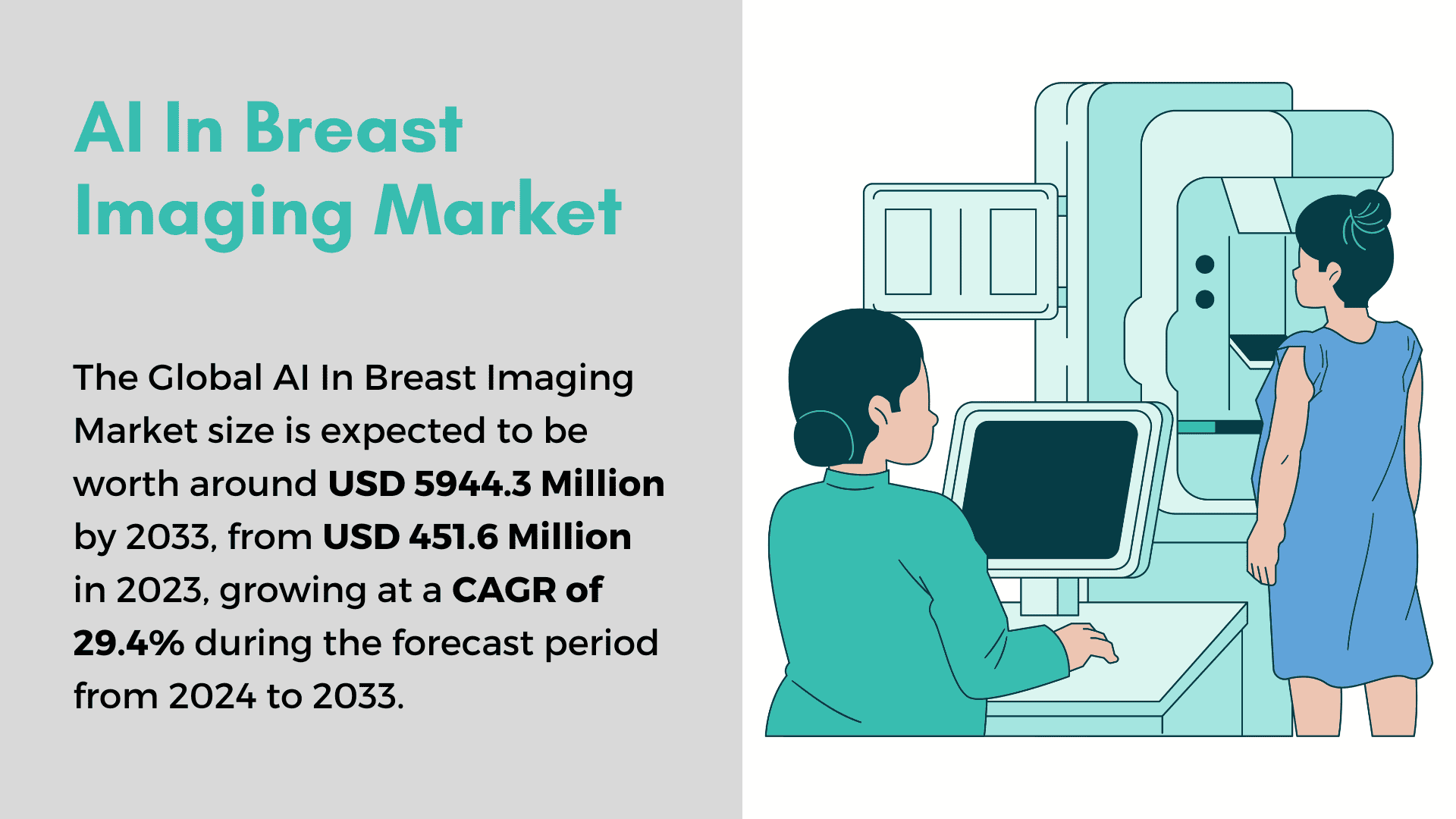
AI in Breast Imaging Market Set for Explosive Growth

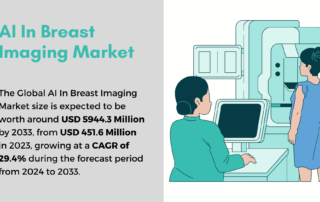
The global AI in breast imaging market is on a remarkable growth trajectory, projected to swell from USD 451.6 million in 2023 to an impressive USD 5944.3 million by 2033. This represents a compound annual growth rate (CAGR) of 29.4%, primarily driven by cutting-edge advancements in AI technologies that significantly enhance diagnostic accuracy, facilitate early detection, and boost healthcare efficiency.

Virtual Real Estate: Navigating Investments in Metaverse Platforms

Virtual real estate in metaverses is becoming a focal point for investors worldwide, with digital plots of land mirroring traditional real estate value based on location, size, and platform popularity.

The Transformative Power of AI in In-Vitro Diagnostics

Artificial intelligence (AI) and machine learning are at the forefront of revolutionizing in-vitro diagnostic (IVD) tools, redefining diagnostics and enhancing healthcare outcomes on multiple fronts.

The Future of Life Sciences: A Vision for 2030

As we edge closer to 2030, the life sciences industry stands on the threshold of transformative changes. With a global valuation exceeding $2 trillion, the sector is poised for significant growth, driven by technological advancements and an aging population.

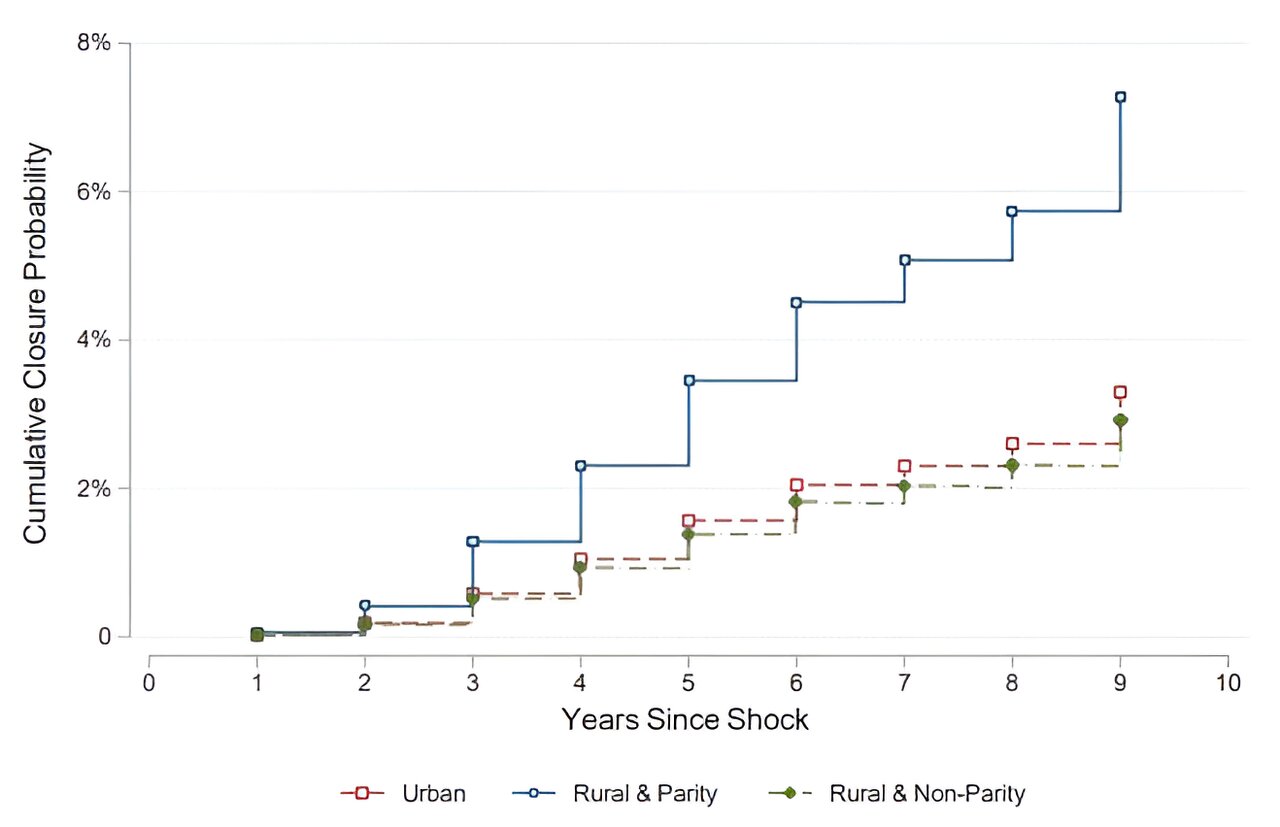
Telehealth: A Boon for Patients, A Challenge for Rural Hospitals

The advent of telehealth has revolutionized the way patients, particularly those in rural areas, access health care. By offering remote consultations and follow-up care, telehealth provides a convenient alternative to traveling long distances to urban hospitals. However, this technological advancement brings with it a set of challenges that could reshape the rural health care landscape.

By |December 20, 2024|Categories: Article, Health/Medicine, Technology|Tags: , |0 Comments