CFPB Rolls Out New Data Updates for Mortgage Registry Checks

Orrick logo

The mortgage world is kicking off the year with a notable update from the Consumer Financial Protection Bureau (CFPB). On January 15, the Bureau published an important notice in the Federal Register outlining proposed updates to the Nationwide Mortgage Licensing System and Registry (NMLS). If you’re a mortgage loan originator—or planning to become one—this is the kind of regulatory shift worth paying attention to.

What’s Changing—and Why It Matters

Expanded Use of Collected Data: Data will now explicitly support registry administration, background investigations, and identity verification. This also ensures compliance with DOJ and FBI requirements for criminal history checks.

More Detailed Categories of Records: The system will now collect additional data elements from mortgage loan originators, administrative users, and federal regulators—expanding oversight accuracy.

Updated Record Retention Rules: The retention schedule is getting a refresh to match the current approved system, keeping the process aligned with modern regulatory expectations.

Authorized Disclosure for Audits: The National Archives and Records Administration will now receive access for official records management inspections.

Alignment with OMB Standards: A series of non-substantive revisions will bring the system in line with the Office of Management and Budget’s recommended model.

What This Means for Mortgage Professionals

For current and aspiring mortgage loan originators, compliance continues to evolve—and staying informed is crucial. These updates refine how your professional data is handled, especially concerning background checks and federal oversight.

For students pursuing their MLO license through accredited real estate and mortgage education providers—such as Cameron Academy—understanding these regulatory shifts is essential. Today’s mortgage environment demands professionals who can navigate both lending knowledge and compliance obligations with confidence.

Want to Dive Deeper?

This update was originally highlighted by JD Supra and further explored by Orrick’s Infobytes team—both excellent resources for regulatory watchers.

Read the full coverage here:

JD Supra Article
Orrick Infobytes Source

Public comments on the proposed changes are open until February 17—so if this update affects your day‑to‑day, now is the perfect moment to make your voice heard.

More Articles

Getting licensed or staying ahead in your career can be a journey—but it doesn’t have to be overwhelming. Grab your favorite coffee or tea, take a moment to relax, and browse through our articles. Whether you’re just starting out or renewing your expertise, we’ve got tips, insights, and advice to keep you moving forward. Here’s to your success—one sip and one step at a time!

The Genetic Revolution: CRISPR and Public Opinion

CRISPR-Cas9 democratizes the ability to edit genomes with unprecedented precision and ease, transforming scientific research and sparking profound societal and ethical debates.

Revolutionizing Healthcare: The AI Transformation

Artificial Intelligence (AI) is no longer a futuristic concept in healthcare; it is a reality reshaping the industry today. Visionaries like Vinod Khosla have long predicted AI's potential, foreseeing its ability to replace up to 80% of standard medical tasks. This transformation is now evident as AI technologies begin to outperform traditional methods, particularly in areas requiring precision and data processing.

Exploring the Intersection of AI and Patient-Centered Care

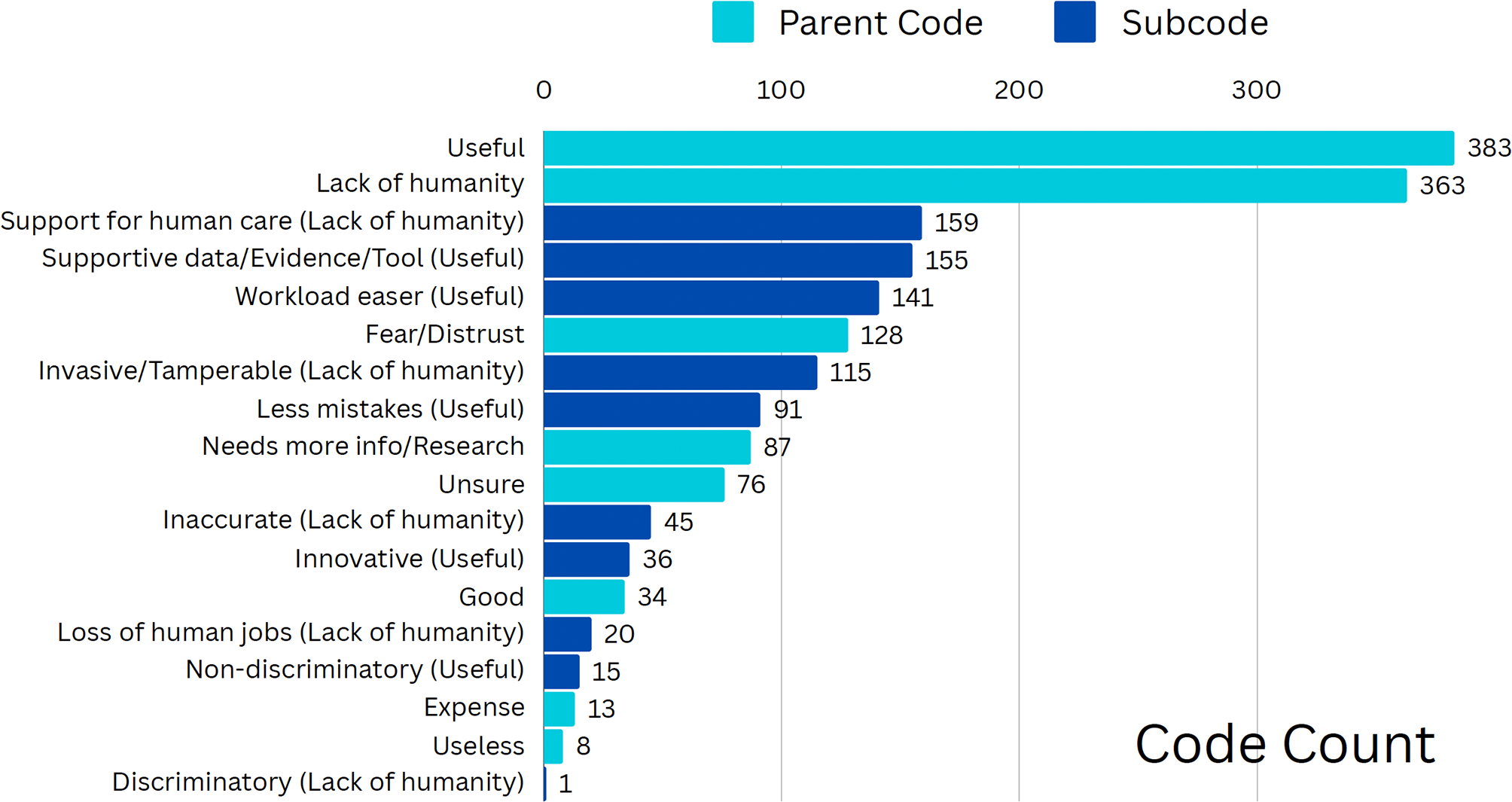
In a groundbreaking study published in BMC Medical Ethics, researchers have delved into the public's perception of artificial intelligence (AI) in healthcare, spotlighting both ethical concerns and potential opportunities for enhancing patient-centered care.

By |December 19, 2024|Categories: Article, Ethics, Healthcare|Tags: , |0 Comments

The AI Revolution in Real Estate

The real estate industry is experiencing a seismic shift, thanks to the integration of artificial intelligence (AI). This cutting-edge technology is fundamentally transforming property acquisition, sales, and management processes. AI's influence extends to predictive analytics, which are reshaping investment decisions, and virtual property tours, which are revolutionizing how we navigate the real estate landscape.

By |December 19, 2024|Categories: Article, Artificial Intelligence, Real Estate|Tags: |0 Comments

Virtual Care in 2024: Challenges and Opportunities for Telehealth

The telehealth market is experiencing a remarkable surge, driven by the increasing adoption of digital health solutions and remote care services.

NAR 2024 Sustainability Report: A Greener Future for Real Estate

The findings suggest that the industry is on the cusp of a "green revolution," with significant strides being made towards sustainability.


By |December 18, 2024|Categories: Article, Real Estate, Sustainability|Tags: , |0 Comments