CMS Reveals Limited Digital Health Policies in Final Medicare Rule


In a move that has drawn considerable attention just days before the 2024 presidential election, the Centers for Medicare & Medicaid Services (CMS) has released the final calendar year 2025 physician fee schedule (PFS) rule. This rule, which impacts digital therapeutics, telehealth, rural health clinics, and opioid treatment programs, underscores CMS’s limited authority in shaping digital health payment policies.
Digital Health Policies
CMS has finalized several digital health policies, as initially proposed in July’s draft rule. However, the offerings remain modest. New codes have been introduced for digital therapeutics, particularly aimed at mental healthcare. These changes mainly involve redefining existing codes to distinguish them from remote therapeutic monitoring codes. CMS’s authority in this area is limited, prompting a call for congressional action to create a new benefit category for digital therapeutics.
Telehealth Policies
With the expiration of Medicare telehealth flexibilities looming at the end of 2024, CMS has highlighted the necessity for Congress to extend key telehealth waivers. These waivers have significantly expanded telehealth services since 2020. Permanent coverage for audio-only visits and direct supervision via telehealth has been confirmed, yet geographical and origin site restrictions continue to pose challenges. For further details, you can refer to the original article.
Rural Health Clinics and Federally Qualified Health Centers
CMS has been striving to achieve payment parity for telehealth services compared to in-person services in rural health clinics and federally qualified health centers. While a special payment rate is applied for telehealth, CMS has opted to retain its current payment methodology for now, though reforms may be considered in the future.
Opioid Treatment Programs
The rule acknowledges the importance of telehealth in opioid treatment programs, especially for older Medicare beneficiaries who rely heavily on audio-only services. CMS will allow telehealth usage for periodic assessments, marking a step forward in addressing opioid use disorder through digital means.
For a comprehensive understanding of the finalized rule and its implications, visit the CMS Federal Register.

Conclusion


While CMS has made some progress, the agency emphasizes the need for congressional action to broaden and secure these developments. The future of digital health policies remains uncertain, with much depending on legislative support.

More Articles

Getting licensed or staying ahead in your career can be a journey—but it doesn’t have to be overwhelming. Grab your favorite coffee or tea, take a moment to relax, and browse through our articles. Whether you’re just starting out or renewing your expertise, we’ve got tips, insights, and advice to keep you moving forward. Here’s to your success—one sip and one step at a time!

Precision Medicine Market: A Tailored Approach Revolutionizing Healthcare

With increasing governmental and private investments, the demand for precision medicine is expected to rise steadily. The commitment to addressing chronic conditions, coupled with strategic industry collaborations and advanced diagnostic tools, will sustain market growth.

U.S. Wearable Medical Devices Market: Growth Trends and Future Prospects

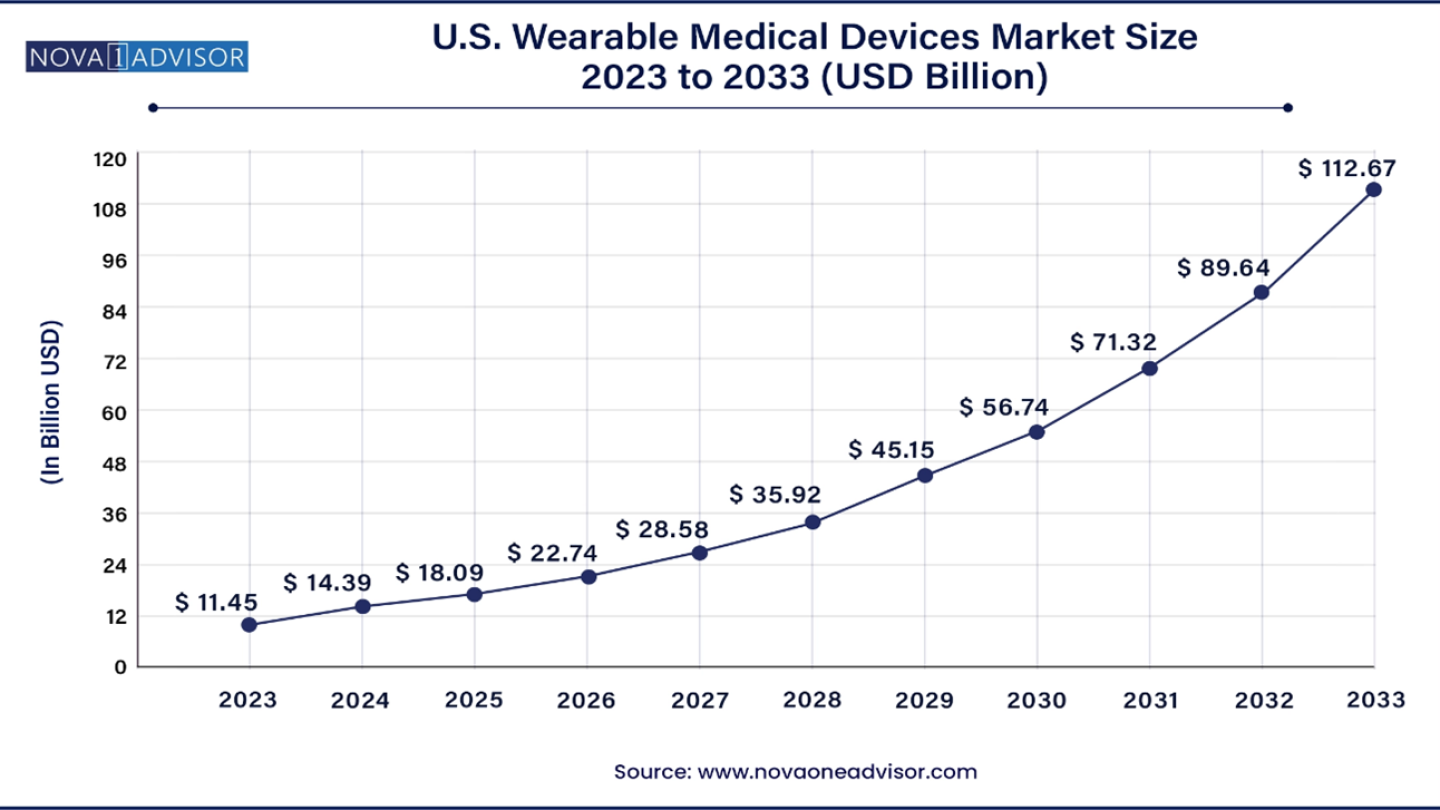
The U.S. wearable medical devices market, currently valued at an estimated $11.45 billion in 2023, is set to experience an astronomical rise to approximately $112.67 billion by 2033.

By |December 3, 2024|Categories: Article, Healthcare, Technology|Tags: |0 Comments

The Future of Real Estate Market: What Lies Ahead?

The real estate market is on the brink of transformation, captivating the attention of buyers, sellers, investors, and industry professionals. As we look toward the end of 2024, experts predict a shift in the landscape, particularly with home prices expected to decline due to increased inventory levels.

By |December 3, 2024|Categories: Article, Market Trends, Real Estate|Tags: , |0 Comments

Bridging the Healthcare Gap in Rural Areas with Telehealth

According to the World Health Organization (WHO), nearly two billion people in rural and remote areas worldwide lack access to essential healthcare solutions. This staggering statistic highlights a critical issue: the digital divide that limits telehealth services, primarily due to inadequate broadband access.

By |December 2, 2024|Categories: Article, Healthcare, Technology|Tags: , |0 Comments

Navigating Ethical Challenges: AI in Healthcare

As AI becomes a staple in medical practice, it carries the risk of reinforcing existing biases entrenched in historical data. These biases can lead to skewed outcomes, particularly affecting marginalized communities such as the LGBTQIA+ and certain ethnic groups.

By |December 2, 2024|Categories: Article, Ethics, Healthcare|Tags: , |0 Comments

New SCLC Biomarkers Enable Advances in Precision Medicine Approaches

A groundbreaking study published in Volume 15 of Oncotarget on October 11, 2024, titled 'Relationship between the expressions of DLL3, ASC1, TTF-1 and Ki-67: First steps of precision medicine at SCLC' showcases pivotal advancements in the fight against small cell lung cancer (SCLC).

By |December 2, 2024|Categories: Article, Cancer Treatment, Medical Research|Tags: , |0 Comments