CMS Reveals Limited Digital Health Policies in Final Medicare Rule


In a move that has drawn considerable attention just days before the 2024 presidential election, the Centers for Medicare & Medicaid Services (CMS) has released the final calendar year 2025 physician fee schedule (PFS) rule. This rule, which impacts digital therapeutics, telehealth, rural health clinics, and opioid treatment programs, underscores CMS’s limited authority in shaping digital health payment policies.
Digital Health Policies
CMS has finalized several digital health policies, as initially proposed in July’s draft rule. However, the offerings remain modest. New codes have been introduced for digital therapeutics, particularly aimed at mental healthcare. These changes mainly involve redefining existing codes to distinguish them from remote therapeutic monitoring codes. CMS’s authority in this area is limited, prompting a call for congressional action to create a new benefit category for digital therapeutics.
Telehealth Policies
With the expiration of Medicare telehealth flexibilities looming at the end of 2024, CMS has highlighted the necessity for Congress to extend key telehealth waivers. These waivers have significantly expanded telehealth services since 2020. Permanent coverage for audio-only visits and direct supervision via telehealth has been confirmed, yet geographical and origin site restrictions continue to pose challenges. For further details, you can refer to the original article.
Rural Health Clinics and Federally Qualified Health Centers
CMS has been striving to achieve payment parity for telehealth services compared to in-person services in rural health clinics and federally qualified health centers. While a special payment rate is applied for telehealth, CMS has opted to retain its current payment methodology for now, though reforms may be considered in the future.
Opioid Treatment Programs
The rule acknowledges the importance of telehealth in opioid treatment programs, especially for older Medicare beneficiaries who rely heavily on audio-only services. CMS will allow telehealth usage for periodic assessments, marking a step forward in addressing opioid use disorder through digital means.
For a comprehensive understanding of the finalized rule and its implications, visit the CMS Federal Register.

Conclusion


While CMS has made some progress, the agency emphasizes the need for congressional action to broaden and secure these developments. The future of digital health policies remains uncertain, with much depending on legislative support.

More Articles

Getting licensed or staying ahead in your career can be a journey—but it doesn’t have to be overwhelming. Grab your favorite coffee or tea, take a moment to relax, and browse through our articles. Whether you’re just starting out or renewing your expertise, we’ve got tips, insights, and advice to keep you moving forward. Here’s to your success—one sip and one step at a time!

The Digital Healthcare Revolution: Transforming Patient Care with Technology

The global digital health market is set to skyrocket, with projections estimating it will reach $551.09 billion by 2027. This growth is fueled by innovations that are setting new benchmarks in healthcare delivery.

By |November 28, 2024|Categories: Article, Healthcare, Technology|Tags: , |0 Comments

University of Pennsylvania Pioneers the Planetary Health Curriculum

This innovative program equips medical students with the knowledge to understand and mitigate the effects of climate change on human health.

The Deep-Learning Triple Threat Transforming Medical Imaging

AI is being hailed as a "triple threat" in radiology, impacting planning, scanning, and diagnosis. As detailed in a recent column by Kelly Londy of GE HealthCare, these intelligent imaging systems are ushering in seismic changes reminiscent of the transformative impact of computer-assisted tomography in the late 20th century.

Federal Reserve’s Interest Rate Cut: Implications for the Housing Market

In a significant move that has captured the attention of economists and homebuyers alike, the Federal Reserve recently announced a half-percentage-point cut in interest rates. This decision is poised to bring about notable changes in the housing market, though not all effects may be beneficial for prospective homeowners.

By |November 27, 2024|Categories: Article, Economics, Real Estate|Tags: , |0 Comments

Public Perceptions of AI in Healthcare: A Balancing Act Between Innovation and Ethics

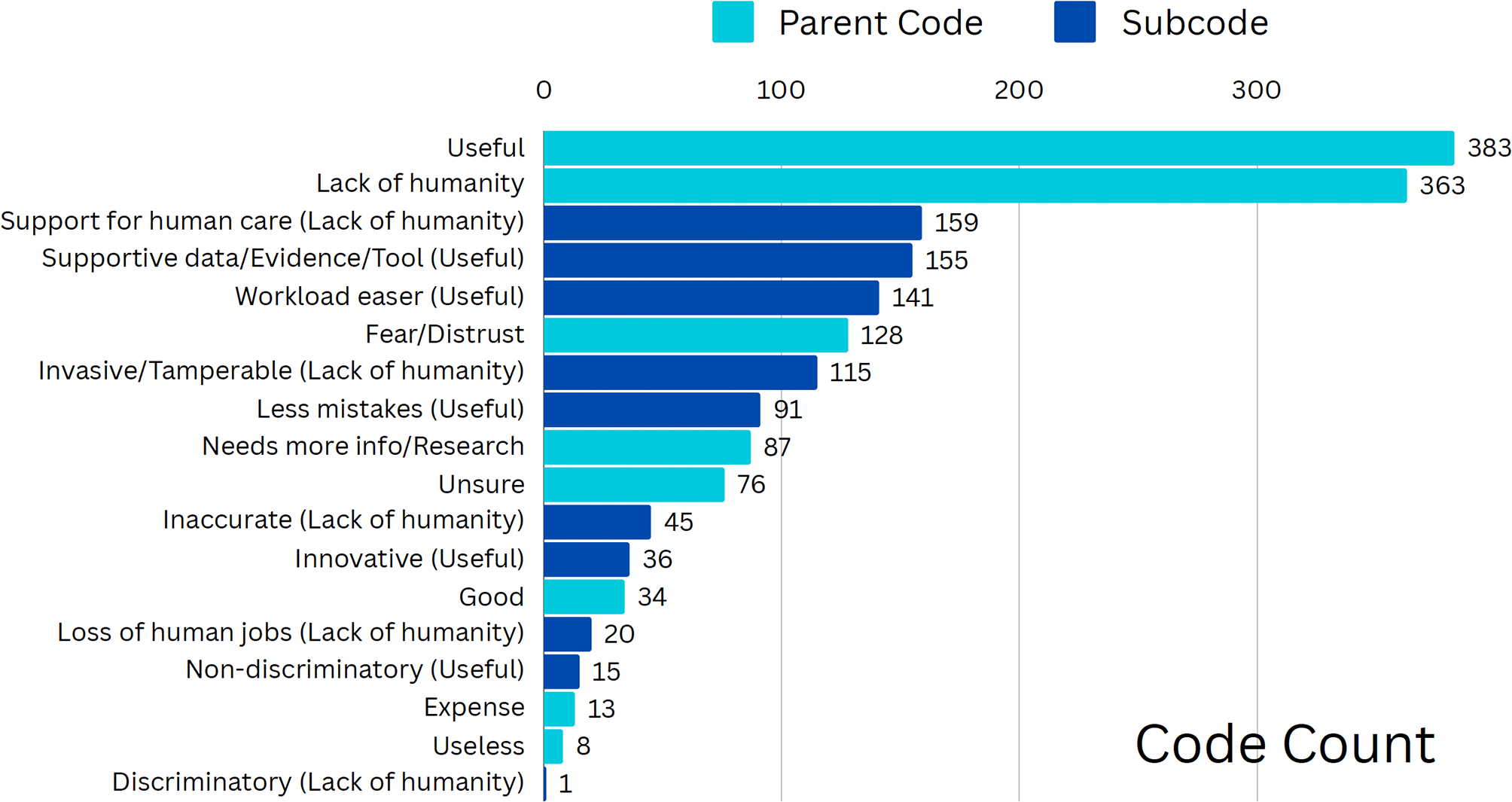
In the rapidly evolving landscape of healthcare, the integration of artificial intelligence (AI) stands as a beacon of both promise and concern. The research underscores a significant tension: while AI has the capability to enhance healthcare delivery, there is palpable unease about its impact on the traditional physician-patient relationship.

By |November 27, 2024|Categories: Article, Ethics, Healthcare|Tags: , |0 Comments

The Ethical Dilemmas of AI: A Modern Conundrum

As artificial intelligence (AI) technology advances, it presents a myriad of ethical dilemmas and challenges that demand urgent attention. The USC Annenberg School for Communication and Journalism recently explored these pressing issues, highlighting the complexities involved in AI's deployment.

By |November 27, 2024|Categories: Article, Ethics, Technology|Tags: , |0 Comments