Commercial Real Estate: A Sector Under Siege

In a recent statement, Jerome Powell, Chair of the Federal Reserve, highlighted the enduring stress within the commercial real estate sector. Speaking before the Senate Banking Committee, Powell emphasized that this risk is not fleeting but rather a persistent challenge that banks must confront with honest assessments of their exposure.
The commercial real estate landscape has experienced seismic shifts, particularly with properties purchased prior to the Covid-19 pandemic. Many of these assets now hold diminished value compared to the loans used to acquire them. This has led to a surge in distressed property sales, creating a new wave of investment opportunities for savvy real estate investors.

The Continental Center: A Case Study

A prime example of this phenomenon is the 41-story Continental Center located at 180 Maiden Lane in Manhattan’s Financial District. Recently sold to 99c, a real estate firm owned by Canadian biotech investor Carlo Bellini, the skyscraper fetched a price of just $297 million. This is a stark contrast to its 2015 purchase price of $470 million.
The building’s previous owners, Clarion Partners and MHP, had invested heavily in renovations, pushing their total investment north of $645 million. The rapid sale was reportedly an effort to stave off foreclosure, illustrating the precarious nature of current market conditions.

Manhattan’s Office Meltdown

As noted by Triple Net Investor on X, the situation in Manhattan’s office market is dire, with vacancy rates soaring. The Continental Center’s occupancy has dropped to 68%, nearly triple the average vacancy rate for commercial real estate in New York City, which stood at 12.8% in March.
The pandemic-induced shift towards remote work has significantly reduced demand for office spaces, effectively doubling vacancy rates. New York’s commercial real estate vacancy rate was a modest 6.4% in early 2020, but the landscape has since transformed dramatically.

National Trends and Emerging Opportunities

This trend is not isolated to New York. Earlier this year, the U.S. commercial real estate vacancy rate reached its highest level since 1979, hovering around 20%. By May, it had slightly improved to 17.8%, as reported by CommercialEdge.
Despite these challenges, there is a glimmer of hope. A recent report by real estate firm Colliers noted a 70% increase in leasing activity in New York City compared to the previous year. While this uptick offers optimism, the persistence of remote and hybrid work trends suggests that vacancy rates may remain stable across the country.

Investment Landscape

ETFs tracking the real estate sector have struggled to perform. The Vanguard Real Estate Index Fund ETF and the Schwab US REIT ETF have both shown modest gains but remain down over the past six months. Meanwhile, residential real estate continues to grapple with high interest rates, pushing home affordability to its lowest level in 17 years.
For further insights, explore the original article on Benzinga.

More Articles

Getting licensed or staying ahead in your career can be a journey—but it doesn’t have to be overwhelming. Grab your favorite coffee or tea, take a moment to relax, and browse through our articles. Whether you’re just starting out or renewing your expertise, we’ve got tips, insights, and advice to keep you moving forward. Here’s to your success—one sip and one step at a time!

The Mark Tampa Breaks Ground on 800‑Bed Luxury Student Housing Near USF

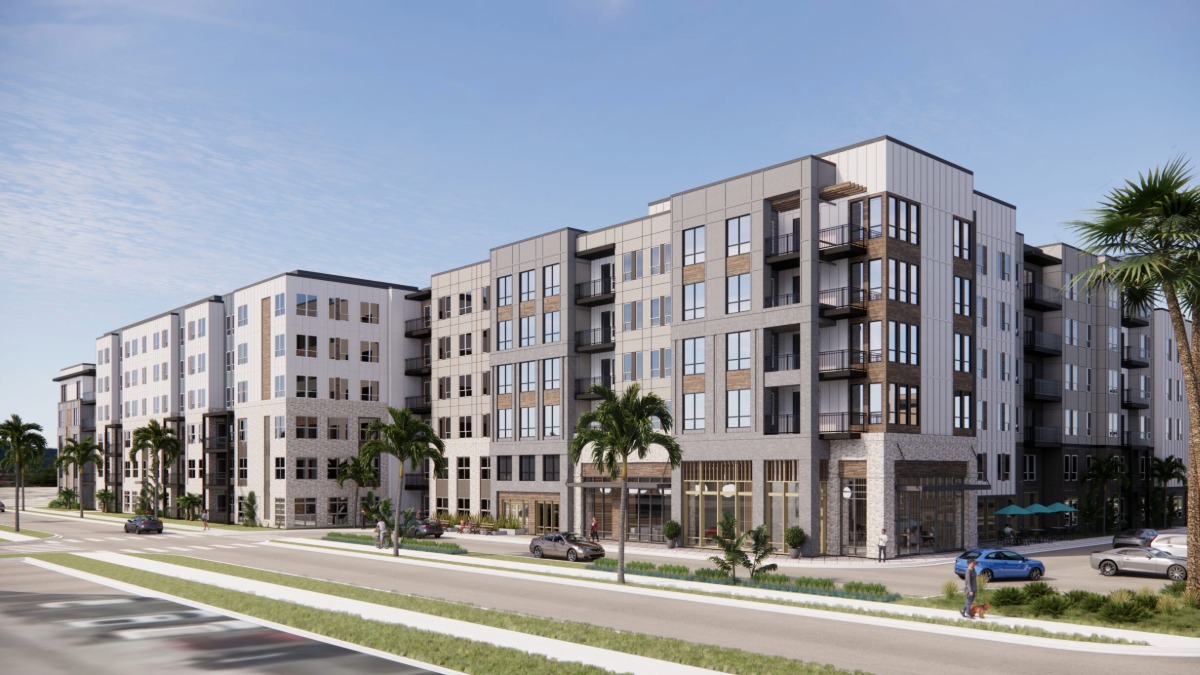
Landmark Properties has officially begun construction on The Mark Tampa, a six‑story luxury student community featuring over 800 beds, rooftop amenities, study spaces, retail, and modern unit layouts. Set to open before the 2027–2028 school year, the project signals strong investor confidence in North Tampa’s booming student housing market.

Florida’s Insurance Costs Erupt Into a 2026 Election Flashpoint

Florida’s property and auto insurance crisis is intensifying, setting the stage for a major political showdown ahead of the 2026 elections. Republicans argue recent reforms are finally stabilizing the market, while Democrats insist families are being crushed by soaring premiums and can’t wait for relief. With homeowners, condo associations, and insurers all feeling the pressure, lawmakers are preparing for one of the most consequential legislative battles in years.

A December Fed Cut Could Be Coming — But Don’t Expect Mortgage Rates to Drop

Markets are betting heavily on a Federal Reserve rate cut in December, but that doesn’t guarantee lower mortgage rates. Even with an 85% chance of a cut priced in, mortgage rates move more with the 10‑year Treasury than the Fed itself — and recent history shows rates can rise even when the Fed eases. Today’s 6.43% average rate is the lowest in over a year, but still unpredictable, making financial readiness more important than trying to time the market.

Grand Junction’s Commercial Real Estate Market Surges 36% as New Chains Fuel Regional Growth

Grand Junction is experiencing a powerful commercial real estate upswing, with 151 commercial units closed so far in 2025—a 36% jump from last year. Building permits are also up 23%, signaling expanding development momentum. Brokers say interest from national chains is accelerating the city’s evolution, bringing jobs, investment, and long‑term economic potential to Colorado’s Western Slope.

Nashville Ranks #6 in Emerging Trends in Real Estate 2026 Report

Nashville continues its rise as one of the nation’s most attractive real estate markets, landing the #6 spot in the Emerging Trends in Real Estate 2026 report from PwC and ULI. With strong demographic momentum, business expansion, and a development pipeline drawing national eyes, the city stands out amid shifting economic conditions. The report highlights fast‑growing sectors such as data centers, senior housing, and evolving office dynamics—offering real estate professionals valuable insight into where opportunities are emerging next.

CRE This Week: The Key Trends Reshaping Canada’s Commercial Real Estate Market in 2025

Canada’s commercial real estate sector continues to evolve rapidly, with new data revealing major transactions, shifting investment patterns, and emerging economic signals across the country. From resilient retail spending to cooling construction and regional standouts like Montreal and the Prairies, this week’s CRE pulse—powered by Altus Group’s research team—gives real estate, mortgage, and finance professionals a sharp snapshot of the market forces to watch as 2025 winds down.