Commercial Real Estate: A Sector Under Siege

In a recent statement, Jerome Powell, Chair of the Federal Reserve, highlighted the enduring stress within the commercial real estate sector. Speaking before the Senate Banking Committee, Powell emphasized that this risk is not fleeting but rather a persistent challenge that banks must confront with honest assessments of their exposure.
The commercial real estate landscape has experienced seismic shifts, particularly with properties purchased prior to the Covid-19 pandemic. Many of these assets now hold diminished value compared to the loans used to acquire them. This has led to a surge in distressed property sales, creating a new wave of investment opportunities for savvy real estate investors.

The Continental Center: A Case Study

A prime example of this phenomenon is the 41-story Continental Center located at 180 Maiden Lane in Manhattan’s Financial District. Recently sold to 99c, a real estate firm owned by Canadian biotech investor Carlo Bellini, the skyscraper fetched a price of just $297 million. This is a stark contrast to its 2015 purchase price of $470 million.
The building’s previous owners, Clarion Partners and MHP, had invested heavily in renovations, pushing their total investment north of $645 million. The rapid sale was reportedly an effort to stave off foreclosure, illustrating the precarious nature of current market conditions.

Manhattan’s Office Meltdown

As noted by Triple Net Investor on X, the situation in Manhattan’s office market is dire, with vacancy rates soaring. The Continental Center’s occupancy has dropped to 68%, nearly triple the average vacancy rate for commercial real estate in New York City, which stood at 12.8% in March.
The pandemic-induced shift towards remote work has significantly reduced demand for office spaces, effectively doubling vacancy rates. New York’s commercial real estate vacancy rate was a modest 6.4% in early 2020, but the landscape has since transformed dramatically.

National Trends and Emerging Opportunities

This trend is not isolated to New York. Earlier this year, the U.S. commercial real estate vacancy rate reached its highest level since 1979, hovering around 20%. By May, it had slightly improved to 17.8%, as reported by CommercialEdge.
Despite these challenges, there is a glimmer of hope. A recent report by real estate firm Colliers noted a 70% increase in leasing activity in New York City compared to the previous year. While this uptick offers optimism, the persistence of remote and hybrid work trends suggests that vacancy rates may remain stable across the country.

Investment Landscape

ETFs tracking the real estate sector have struggled to perform. The Vanguard Real Estate Index Fund ETF and the Schwab US REIT ETF have both shown modest gains but remain down over the past six months. Meanwhile, residential real estate continues to grapple with high interest rates, pushing home affordability to its lowest level in 17 years.
For further insights, explore the original article on Benzinga.

More Articles

Getting licensed or staying ahead in your career can be a journey—but it doesn’t have to be overwhelming. Grab your favorite coffee or tea, take a moment to relax, and browse through our articles. Whether you’re just starting out or renewing your expertise, we’ve got tips, insights, and advice to keep you moving forward. Here’s to your success—one sip and one step at a time!

NAR’s New MLS Policy Changes Spark Immediate Legal Pushback in Michigan

Just 48 hours after NAR unveiled major revisions to its MLS policies, plaintiffs in the Michigan-based Hardy lawsuit moved to use those changes as evidence, arguing they prove NAR’s prior rules were anticompetitive. NAR denies any wrongdoing, but the case is quickly becoming a key test for whether MLS access should require Realtor membership — a question now echoing across multiple states and potentially reshaping how real estate professionals nationwide access the industry’s most essential tool.

Florida Homeowners Grapple With Soaring Insurance Costs as Lawmakers Push for Reform

Florida homeowners are now paying some of the highest insurance premiums in the country, with average costs topping $5,800 per year—nearly double the national average. Residents report skyrocketing rates, denied claims, and tough choices between costly coverage and financial risk. As frustration grows, lawmakers and consumer advocates are pushing new reforms aimed at increasing transparency, capping rate hikes, and protecting policyholders in one of the nation’s most volatile insurance markets.

Top 2026 Commercial Real Estate Issues Every Pro Should Be Watching

Economic uncertainty, rapid AI adoption, tighter capital flows, and rising portfolio risk are reshaping the 2026 commercial real estate landscape. From shifting workforce patterns to a national housing attainability crisis, the industry is entering a data‑driven, fundamentals‑focused era—making adaptability, education, and tech literacy essential for real estate professionals.

Mortgage Rates Rise as Markets Lose Faith in a December Fed Cut

Mortgage rates have climbed to 6.23 percent as investors grow doubtful that the Federal Reserve will deliver a rate cut in December. A soft but unclear jobs report and persistent inflation have pushed borrowing costs higher, reversing October’s brief relief in the housing market. Real estate and mortgage professionals should prepare clients for continued volatility as the Fed’s December meeting approaches.

Housing Market Poised for a Major 2026 Comeback: What Florida Pros Need to Know

After years of tight inventory, high mortgage rates, and sluggish sales, economists say 2026 is shaping up to be the turnaround real estate professionals have been waiting for. NAR projects a 14 percent jump in home sales, mortgage rates easing toward 6 percent, and buyer demand finally gaining momentum. While higher‑end homes are moving quickly, first‑time buyers continue to face affordability challenges, and price reductions are reappearing as sellers adjust to shifting conditions. For Florida agents, brokers, and newcomers, the stage is being set for a busy and opportunity‑rich year.

Florida Homeowners Hit With Record Insurance Costs as Lawmakers and Residents Demand Reform

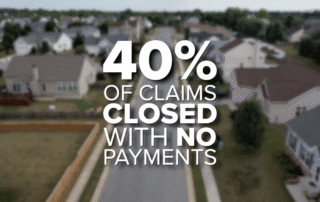
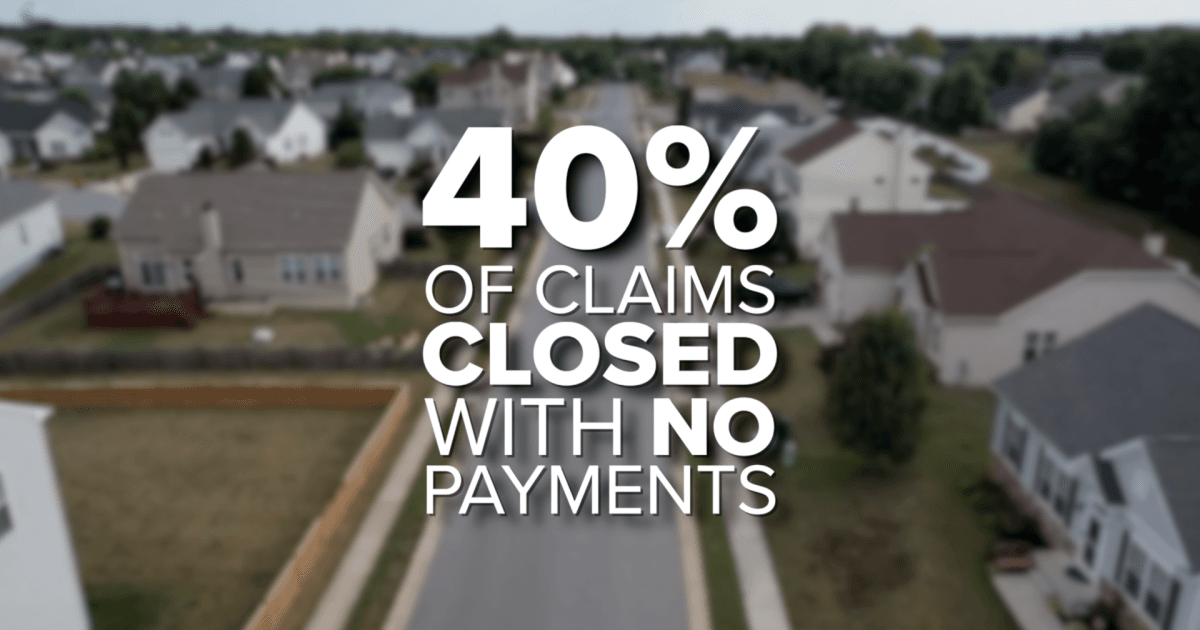
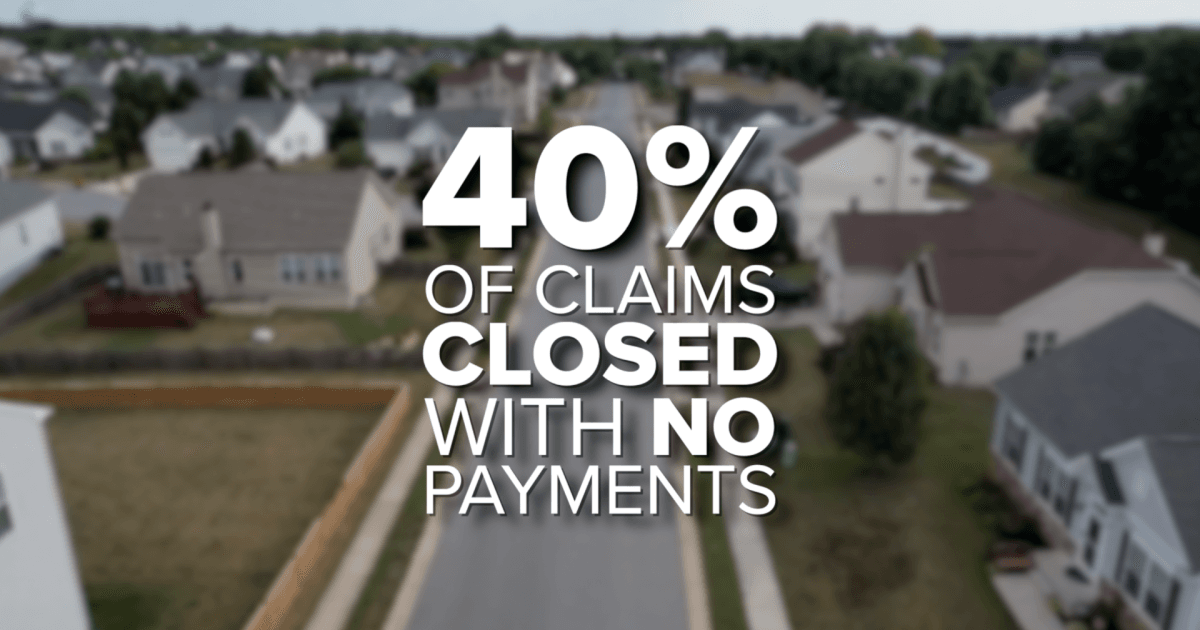
Florida’s average homeowner insurance premium has soared to $5,838 a year—almost $3,000 above the national average—pushing many residents to the financial brink. From tripled premiums to lowball claim payouts, homeowners are speaking out as frustration mounts. Some are even dropping coverage entirely. With more than 40% of claims closed without payment and policy cancellations at record levels, lawmakers are pushing for reforms, but political hurdles remain. The outcome could reshape Florida real estate, insurance, and mortgage markets for years to come.