Commercial Real Estate Deal Growth Stalls: What Professionals Need to Know for 2026
Image courtesy of Cameron Academy
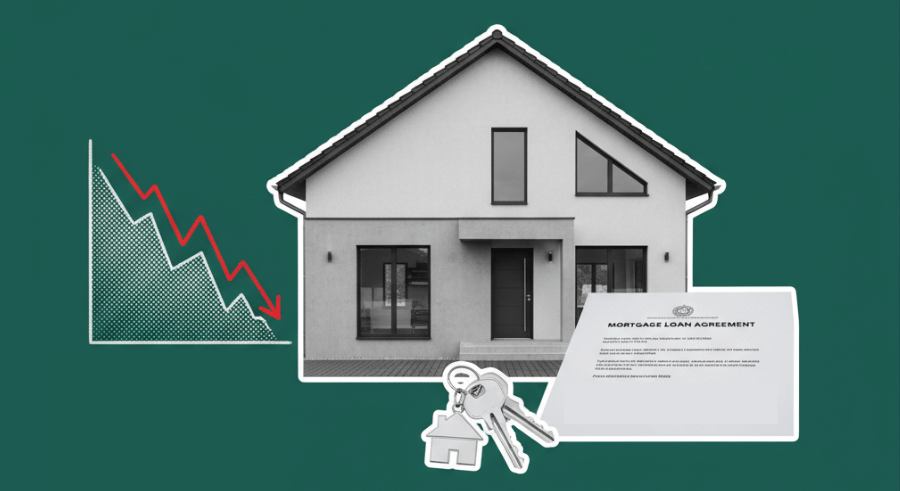
Commercial real estate investors tapped the brakes in October, delivering the first year‑over‑year slowdown in nearly two years and raising new questions about pricing expectations, interest rates, and what 2026 might hold for dealmakers. According to a recent report from Mortgage Professional America, the drop reflects a deepening disconnect between buyers and sellers — one shaped by persistent rate pressure and policy uncertainty.
A Market Caught in a Stalemate
Kevin Fagan, head of CRE capital market research at Moody’s, described the shift as less of a downturn and more of a “stalemate.” After a year of strength — especially across industrial and multifamily sectors — October marked the moment when the U‑shaped recovery from 2023’s lows began dragging.
Despite the slowdown, the month still brought in approximately $24.4 billion in sales, roughly 70% of October 2019 levels and above 2024 volumes. Yet transaction momentum has cooled sharply since 2023 as the cost of capital reshapes underwriting standards and reduces leverage across CMBS structures.
Multifamily Pulls Back While Hotels Push Forward
Multifamily — the darling of early‑2025 dealmaking — saw volumes fall 27% year‑over‑year in October. Many properties still trade above historical pricing, showing that investors value stable, income‑producing assets but want clearer rate direction before making aggressive offers.
Hotels, however, are telling a different story. Hospitality was the only sector to post higher year‑over‑year growth, up roughly 6%. A standout example: the New York Edition hotel at 5 Madison Avenue, purchased by Kam Sang Company for $231.2 million — a striking case of adaptive reuse and revitalized demand.
Similar wins at properties like the Woolworth Building highlight how conversions continue breathing life into once struggling office assets.
Office Sector: Discounts, Distress, and New Demand Drivers
Office investors are navigating both tough realities and fresh opportunities. The sale of Sotheby’s headquarters to Weill Cornell shows how medical and life‑science tenants are becoming essential in filling outdated space. Meanwhile, New York Life’s acquisition of a distressed Manhattan tower at nearly half its 2015 pricing reveals institutional appetite for discounted yet promising assets.
These shifts hint at a potential floor forming for office valuations — not a rapid rebound, but a healthier stabilization as we approach 2026.
Commercial Mortgage Originations Surge
Even as deal flow cools, mortgage activity is heating up. The Mortgage Bankers Association reported a 36% year‑over‑year jump in commercial and multifamily mortgage originations during Q3 2025, driven by a remarkable 181% surge in office lending.
Still, today’s lending climate is “volatile” and “unpredictable,” with strong preferences for industrial and multifamily over troubled office space.
Why This Matters for Professionals — and How Education Helps
For real estate, mortgage, finance, and insurance professionals, this shifting environment demands sharper analysis, stronger financial literacy, and a deep understanding of capital and market cycles.
Cameron Academy provides industry‑leading training for real estate, mortgage, insurance, finance, and more. Whether you’re beginning your professional journey or sharpening competitive skills, continuing education gives you the edge needed to thrive in evolving markets.
As the market awaits clarity on rates, pricing, and risk, informed professionals will be first to identify — and capitalize on — emerging opportunities in 2026.
More Articles
Getting licensed or staying ahead in your career can be a journey—but it doesn’t have to be overwhelming. Grab your favorite coffee or tea, take a moment to relax, and browse through our articles. Whether you’re just starting out or renewing your expertise, we’ve got tips, insights, and advice to keep you moving forward. Here’s to your success—one sip and one step at a time!
Tokenization has surged from crypto niche to global financial disruptor as institutions like Robinhood, BlackRock, and Coinbase race to digitize real-world assets. With pro‑crypto political momentum, shifting regulations, and private companies resisting newfound transparency, this emerging wave is transforming how investments are bought, sold, and accessed. For professionals in real estate, finance, lending, and insurance, this shift signals massive opportunity—and equally massive responsibility—as the next era of asset ownership takes shape.
Florida homeowners are finally getting relief as Citizens Property Insurance announces an average 8.7% statewide rate reduction for 2026, with South Florida seeing cuts as high as 14%. Driven by recent tort reforms and a stabilizing market, these decreases signal a major turnaround for an industry once on the brink of collapse — and a potential boost for real estate activity across the state.
After years of roller‑coaster chaos, the 2026 U.S. housing market is easing into something professionals haven’t seen in a long time: balance. Inventory growth has slowed to just 10% year over year—down sharply from 2025’s surge—signaling the end of the pandemic‑era scarcity and the rise of a market driven by real‑time demand and interest rates. With seasonal patterns returning, negotiations replacing bidding wars and rates drifting toward 6%, agents, lenders and investors are finally navigating conditions that look… normal.
More than half of Gen Z investors say they entered the stock market because of social media—not textbooks, not advisors. Viral creators, AI tools, and crypto trends are reshaping how young adults learn about money, invest early, and chase financial freedom. This Fortune‑featured shift highlights a generation determined to build wealth fast, trust digital voices over traditional institutions, and redefine financial education for the future.
After years of extremes, the U.S. housing market is shifting into a more balanced, predictable phase. Inventory growth has cooled from last year’s surge, seasonality is returning, and pricing is becoming increasingly rate‑sensitive. With mortgage rates hovering near 6% and policy changes reshaping investor participation, 2026 is emerging as a negotiation‑driven market where skilled agents, lenders, builders, and investors have a renewed advantage. This new landscape rewards strategy, education, and real‑time demand awareness—making it an ideal moment for professionals to refine their approach and capitalize on the market’s normalization.
A sudden policy shift at the start of 2026 is already pushing mortgage rates lower, dipping them under 6% for the first time in months. New projections suggest the government-sponsored enterprises’ $200 billion in mortgage‑backed securities purchases could accelerate rate declines throughout the year, boosting affordability, home sales, and overall market activity for buyers, sellers, and real estate professionals alike.