Commercial Real Estate Deal Growth Stalls: What Professionals Need to Know for 2026
Image courtesy of Cameron Academy
Commercial real estate investors tapped the brakes in October, delivering the first year‑over‑year slowdown in nearly two years and raising new questions about pricing expectations, interest rates, and what 2026 might hold for dealmakers. According to a recent report from Mortgage Professional America, the drop reflects a deepening disconnect between buyers and sellers — one shaped by persistent rate pressure and policy uncertainty.
A Market Caught in a Stalemate
Kevin Fagan, head of CRE capital market research at Moody’s, described the shift as less of a downturn and more of a “stalemate.” After a year of strength — especially across industrial and multifamily sectors — October marked the moment when the U‑shaped recovery from 2023’s lows began dragging.
Despite the slowdown, the month still brought in approximately $24.4 billion in sales, roughly 70% of October 2019 levels and above 2024 volumes. Yet transaction momentum has cooled sharply since 2023 as the cost of capital reshapes underwriting standards and reduces leverage across CMBS structures.
Multifamily Pulls Back While Hotels Push Forward
Multifamily — the darling of early‑2025 dealmaking — saw volumes fall 27% year‑over‑year in October. Many properties still trade above historical pricing, showing that investors value stable, income‑producing assets but want clearer rate direction before making aggressive offers.
Hotels, however, are telling a different story. Hospitality was the only sector to post higher year‑over‑year growth, up roughly 6%. A standout example: the New York Edition hotel at 5 Madison Avenue, purchased by Kam Sang Company for $231.2 million — a striking case of adaptive reuse and revitalized demand.
Similar wins at properties like the Woolworth Building highlight how conversions continue breathing life into once struggling office assets.
Office Sector: Discounts, Distress, and New Demand Drivers
Office investors are navigating both tough realities and fresh opportunities. The sale of Sotheby’s headquarters to Weill Cornell shows how medical and life‑science tenants are becoming essential in filling outdated space. Meanwhile, New York Life’s acquisition of a distressed Manhattan tower at nearly half its 2015 pricing reveals institutional appetite for discounted yet promising assets.
These shifts hint at a potential floor forming for office valuations — not a rapid rebound, but a healthier stabilization as we approach 2026.
Commercial Mortgage Originations Surge
Even as deal flow cools, mortgage activity is heating up. The Mortgage Bankers Association reported a 36% year‑over‑year jump in commercial and multifamily mortgage originations during Q3 2025, driven by a remarkable 181% surge in office lending.
Still, today’s lending climate is “volatile” and “unpredictable,” with strong preferences for industrial and multifamily over troubled office space.
Why This Matters for Professionals — and How Education Helps
For real estate, mortgage, finance, and insurance professionals, this shifting environment demands sharper analysis, stronger financial literacy, and a deep understanding of capital and market cycles.
Cameron Academy provides industry‑leading training for real estate, mortgage, insurance, finance, and more. Whether you’re beginning your professional journey or sharpening competitive skills, continuing education gives you the edge needed to thrive in evolving markets.
As the market awaits clarity on rates, pricing, and risk, informed professionals will be first to identify — and capitalize on — emerging opportunities in 2026.
More Articles
Getting licensed or staying ahead in your career can be a journey—but it doesn’t have to be overwhelming. Grab your favorite coffee or tea, take a moment to relax, and browse through our articles. Whether you’re just starting out or renewing your expertise, we’ve got tips, insights, and advice to keep you moving forward. Here’s to your success—one sip and one step at a time!
The title insurance industry is entering 2026 with a renewed focus on technology, operational efficiency, and stronger agent support after years of volatility. Leaders from major underwriters report rising transaction activity, improved affordability, and a surge in automation and fraud‑prevention tools—signs that smarter systems and better training will define the next wave of growth.
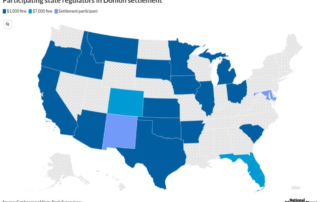
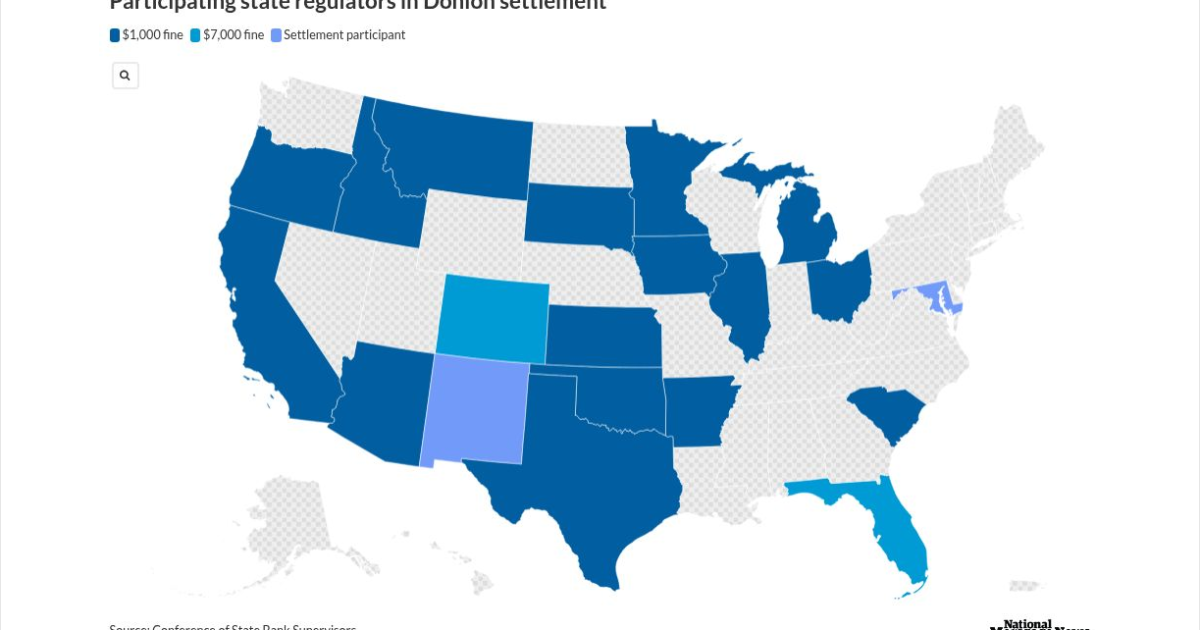
A multistate crackdown has sent shockwaves through the mortgage industry as Patrick Terrance Donlon, CEO of Trusted American Mortgage, accepted a sweeping settlement that bans him from working as a mortgage loan originator in 21 states—19 of them permanently. Regulators say Donlon had another individual complete his mandatory licensing and continuing‑education courses, a violation that triggered a coordinated investigation and a $31,000 penalty. The case underscores regulators’ growing intolerance for education fraud and serves as a sharp reminder to industry professionals: cutting corners on licensing can end careers.
Florida’s once‑booming housing market is cooling fast as rising insurance premiums, increasing foreclosures, and expanding flood zones push buyers to back out of deals and force sellers to cut prices. With insurance now adding thousands to annual housing costs, professionals across real estate, mortgage, and insurance are navigating a dramatically shifting landscape that’s redefining affordability in the Sunshine State.
Florida begins 2026 with a wave of more than 250 new laws now in effect, impacting healthcare, insurance, real estate, and consumer protections statewide. From free breast cancer screenings for state employees to tighter pet insurance regulations, mandatory healthcare refund rules, enhanced animal‑cruelty penalties, and new condo‑management requirements, these updates carry major implications for professionals navigating Florida’s evolving regulatory landscape.
Florida’s barrier islands may offer postcard-perfect beaches and soaring real estate demand, but they’re also some of the most fragile and costly places to build in the United States. With 765,000 residents living on land that shifts, sinks, and takes the brunt of every major hurricane, the financial and insurance risks are accelerating fast. From billion‑dollar beach rebuilds to towers settling into the sand, today’s coastal development challenges are reshaping conversations around property values, disclosure, and long‑term resilience. For real estate professionals, understanding these risks isn’t just smart — it’s becoming essential.
A Cedar City development is turning heads with its fresh approach to affordability. The team behind Temple View Commons is delivering luxury‑inspired twin homes at prices below the local median by using a small, hands‑on staff and cutting traditional costs like realtor commissions. In a tight Utah housing market where inventory is scarce and prices remain high, their strategy offers a realistic path to homeownership without sacrificing high‑end finishes.


 Title Insurance Leaders Double Down on Tech and Efficiency to Drive 2026 Market Momentum Gallery