Commercial Real Estate Pros Are Almost All Bullish on 2026
If you’ve been feeling a subtle but undeniable shift in the commercial real estate landscape heading into 2026, you’re right in sync with the experts. According to the new Avison Young Canadian Outlook report, an astonishing 97% of CRE professionals believe market activity will rise or remain stable next year.
That level of positivity isn’t common—and it certainly isn’t random. It reflects a major leap from mid‑2025, when only 45% predicted increased activity. Now, confidence is snowballing as professionals align around a shared expectation: the comeback is real.
A Market Primed for a Surge
Among the nearly 200 CRE professionals surveyed, 64% expect activity to increase in 2026, while another 33% foresee stability. That leaves only a tiny slice predicting a downturn—arguably the boldest forecasters in the room.
Mark Fieder, Principal and President of Avison Young Canada, described the mood simply but powerfully: “Optimism is in the air.” With 2025 investment volumes matching the previous year and Q3 showing the strongest sales since 2022, the industry is gaining unmistakable traction.
Quick Pulse Check
How CRE experts feel about 2026:
64% anticipate increased activity
33% expect stable performance
A very small minority anticipate decline
What’s Driving This Optimism?
Avison Young identifies several momentum‑boosting factors:
Potential Bank of Canada rate cuts refreshing investor enthusiasm
Strong employment and manageable inflation pressures
Persistent demand in medical, grocery, and wellness‑focused retail
With the exception of Vancouver—which is expected to hold steady—most of Canada’s major markets are positioned for increased activity.
But Not Every Cloud Has a Silver Lining
U.S. tariff policies remain one of the largest question marks. Declining exports in machinery, automotive, and related industries could create friction for various regional economies in Canada, moderating otherwise promising gains.
Multifamily outlooks remain cautiously positive, though buyer‑seller pricing gaps continue to pinch transaction volume. Industrial, on the other hand, remains a dependable star performer—poised to carry its strength straight into 2026.
Why This Matters for Today’s Real Estate Professionals
Whether you’re an investor, a broker, or a professional gearing up to advance your licensing or skillset, this rising optimism marks a significant turning point. Markets are shifting—and staying ahead requires staying sharp.
Professionals across real estate, mortgage, insurance, finance, and other licensed fields continue to rely on Cameron Academy for flexible, modern, and industry‑ready education to meet the moment.
Getting licensed or staying ahead in your career can be a journey—but it doesn’t have to be overwhelming. Grab your favorite coffee or tea, take a moment to relax, and browse through our articles. Whether you’re just starting out or renewing your expertise, we’ve got tips, insights, and advice to keep you moving forward. Here’s to your success—one sip and one step at a time!
A federal judge has denied class‑certification in the high‑stakes Batton commission lawsuit, delivering a temporary win for NAR and major brokerages while leaving the door open for plaintiffs to try again. With as much as $3.6 billion in potential damages on the line and nearly 80% of the proposed class now disqualified due to conflicts with earlier settlements, the case stands at a pivotal moment. Real estate professionals nationwide — especially in Florida — should watch closely, as the ruling could shape the future of buyer‑agent compensation.
Florida homeowners are paying nearly double the national average for insurance, with premiums now reaching $5,838 a year and denied claims topping 40 percent. Residents report tripled rates, underpaid claims, and mounting financial strain, pushing lawmakers in Tallahassee to propose caps on rate hikes, tax breaks for storm‑proof upgrades, and tighter oversight of insurers. These developments are reshaping real estate and insurance conversations across the state as professionals brace for major industry shifts.
Berkshire County closed Q3 2025 with strong momentum as sales, dollar volume, and buyer competition all climbed year‑over‑year. Inventory showed slight improvement but remains far below demand, keeping the market tilted toward sellers. Single‑family homes and condos led the surge, while multifamily, land, and commercial sectors showed mixed performance. The region continues to stand out as one of New England’s most resilient real estate markets heading into 2026.
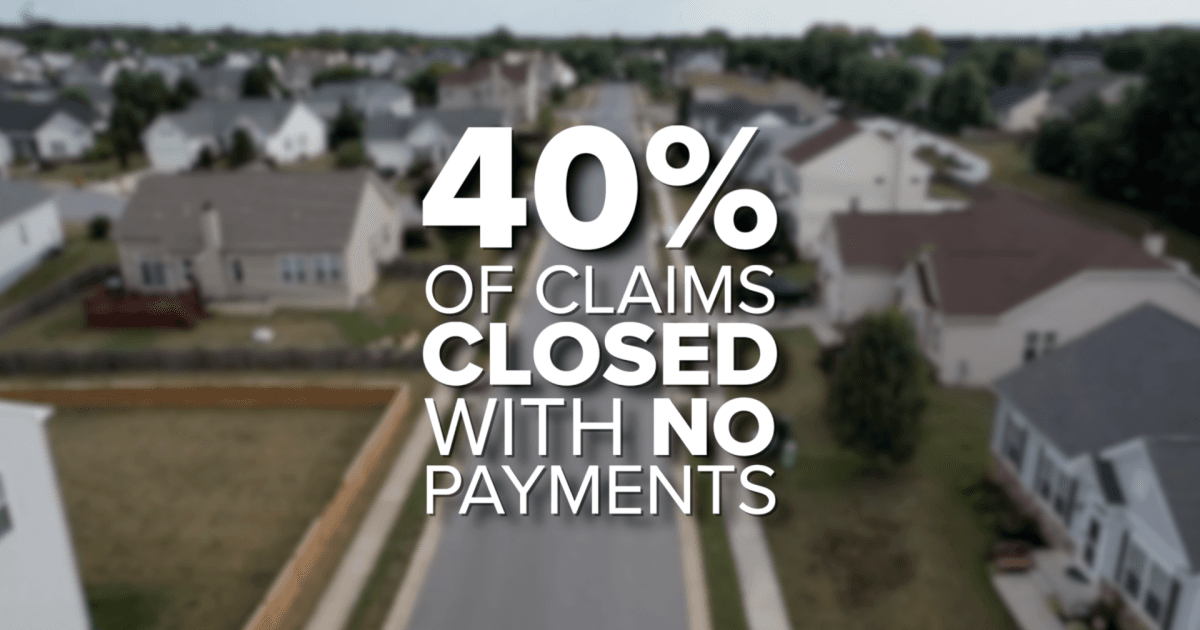
Florida homeowners now face the highest insurance burdens in the nation, with average premiums topping $5,800 per year—roughly $3,000 above the national average. As rates triple for some residents, more Floridians are skipping coverage altogether, while denied claims and slow payouts add to the frustration. With over 40 percent of claims closing with no payment and lawmakers battling over reform in Tallahassee, the crisis is reshaping budgets, homebuying decisions, and the real estate industry statewide.
Global capital is surging back into real estate—and this time, investors want more control. Colliers’ 2026 Global Investor Outlook reveals a major shift toward direct investments, joint ventures, and hands‑on strategies as money moves across North America, Europe, and the booming Asia‑Pacific markets. Data centers are now the top‑funded asset class, offices are staging a comeback, and adaptive reuse is reshaping cities worldwide. For real estate and finance professionals, the message is clear: opportunity is accelerating, and those with the right education and licensing will be at the center of the action.
The Fed’s recent rate cuts should have offered relief to commercial real estate—but long-term borrowing costs haven’t budged. While short‑term rates are falling, stubborn long‑term yields, broken deal math, and a trillion‑dollar refinancing wave are keeping the market frozen. For investors and professionals across Florida and the nation, understanding this disconnect is key to navigating the opportunities and risks emerging in today’s shifting CRE landscape.