Commercial Real Estate Pros Are Almost All Bullish on 2026
If you’ve been feeling a subtle but undeniable shift in the commercial real estate landscape heading into 2026, you’re right in sync with the experts. According to the new Avison Young Canadian Outlook report, an astonishing 97% of CRE professionals believe market activity will rise or remain stable next year.
That level of positivity isn’t common—and it certainly isn’t random. It reflects a major leap from mid‑2025, when only 45% predicted increased activity. Now, confidence is snowballing as professionals align around a shared expectation: the comeback is real.
A Market Primed for a Surge
Among the nearly 200 CRE professionals surveyed, 64% expect activity to increase in 2026, while another 33% foresee stability. That leaves only a tiny slice predicting a downturn—arguably the boldest forecasters in the room.
Mark Fieder, Principal and President of Avison Young Canada, described the mood simply but powerfully: “Optimism is in the air.” With 2025 investment volumes matching the previous year and Q3 showing the strongest sales since 2022, the industry is gaining unmistakable traction.
Quick Pulse Check
How CRE experts feel about 2026:
64% anticipate increased activity
33% expect stable performance
A very small minority anticipate decline
What’s Driving This Optimism?
Avison Young identifies several momentum‑boosting factors:
Potential Bank of Canada rate cuts refreshing investor enthusiasm
Strong employment and manageable inflation pressures
Persistent demand in medical, grocery, and wellness‑focused retail
With the exception of Vancouver—which is expected to hold steady—most of Canada’s major markets are positioned for increased activity.
But Not Every Cloud Has a Silver Lining
U.S. tariff policies remain one of the largest question marks. Declining exports in machinery, automotive, and related industries could create friction for various regional economies in Canada, moderating otherwise promising gains.
Multifamily outlooks remain cautiously positive, though buyer‑seller pricing gaps continue to pinch transaction volume. Industrial, on the other hand, remains a dependable star performer—poised to carry its strength straight into 2026.
Why This Matters for Today’s Real Estate Professionals
Whether you’re an investor, a broker, or a professional gearing up to advance your licensing or skillset, this rising optimism marks a significant turning point. Markets are shifting—and staying ahead requires staying sharp.
Professionals across real estate, mortgage, insurance, finance, and other licensed fields continue to rely on Cameron Academy for flexible, modern, and industry‑ready education to meet the moment.
Getting licensed or staying ahead in your career can be a journey—but it doesn’t have to be overwhelming. Grab your favorite coffee or tea, take a moment to relax, and browse through our articles. Whether you’re just starting out or renewing your expertise, we’ve got tips, insights, and advice to keep you moving forward. Here’s to your success—one sip and one step at a time!
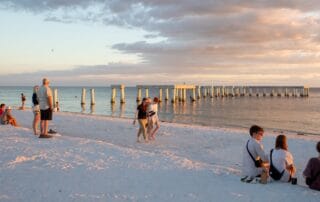
Fort Myers Beach is becoming the front line of a new Florida—one shaped by hurricane devastation, soaring insurance premiums, and rapid gentrification. Three years after Hurricane Ian, residents are still battling massive rebuilding costs and insurance bills that now exceed $5,700 a year on average, with flood insurance reaching $10,000 for some families. Long-time locals, small businesses, and service workers are being priced out as wealthy investors move in, transforming once-affordable coastal communities. Real estate professionals warn that foreclosures may rise if economic pressures continue, signaling a pivotal moment for Florida’s housing market and the professionals who serve it.
Economic uncertainty, AI disruption, slowing population growth, and rising portfolio risk are reshaping commercial real estate heading into 2026. A new report unveiled at NAR NXT highlights the forces that will reward informed professionals — and challenge those who aren’t prepared. From fiscal policy and shifting capital flows to tech transformation and housing shortages, the landscape is evolving fast. Cameron Academy breaks down the key issues so real estate, mortgage, finance, and insurance professionals can stay ahead of the curve.
A sudden federal shutdown of FEMA’s BRIC resiliency program has left cities and commercial property owners scrambling, exposing billions in real estate to rising climate threats. With nearly a billion dollars in mitigation funding clawed back and extreme weather intensifying, insurance premiums are expected to surge and coverage may shrink — placing new pressure on markets like Florida and New York.
A new Florida Senate bill aims to stop cities and counties from blocking residential developments over vague “compatibility” concerns. Supporters say the measure would speed up homebuilding and ease housing shortages, while opponents argue it strips communities of essential oversight and could accelerate growth without proper planning. The proposal could reshape development timelines and land-use decisions statewide, making it a major issue for real estate professionals to watch.
Cape Coral–Fort Myers has officially moved into buyer-friendly territory, with homes now sitting a median 119 days on the market—far longer than both the Florida and U.S. averages. Rising inventory, a 36.9 percent price‑reduction rate, and slower absorption compared to accumulated supply are giving buyers more leverage and time to negotiate, signaling a meaningful reset in this once‑fast‑moving Florida market.
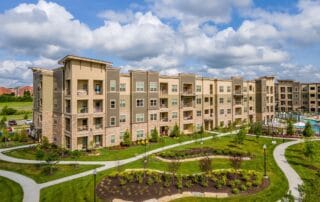
Kansas City’s commercial real estate sector is finally turning a corner after several years of sluggish activity. Retail is leading the rebound, while multifamily and industrial properties are gaining traction as pricing stabilizes and buyer confidence returns. A standout 2025 transaction—the sale of the 380‑unit Cyan Southcreek community—signals that capital is flowing back into the market. With bid‑ask spreads tightening and investor optimism rising, Kansas City is entering a period of renewed opportunity for real estate professionals and investors alike.


 Florida’s Middle Class Is Being Squeezed Out: Insurance Costs, Rebuilding Struggles, and a Changing Coastline Gallery