Commercial Real Estate Rebounds, but AI Concerns Stir Investor Jitters
Commercial real estate is surging back to life — and investors are paying attention. Yet even as dealmaking accelerates, a new wave of anxiety is spreading across the industry: the growing influence of AI.
Leaders from three of the world’s most powerful commercial brokerage firms — Hessam Nadji of Marcus & Millichap, Jay Hennick of Colliers, and Bob Sulentic of CBRE — reported impressive earnings, some hitting record highs. But earnings calls quickly shifted as analysts repeatedly questioned whether AI could disrupt brokerage, valuation, and high‑level transaction work.
“AI Can’t Replace Human Insight,” CEOs Say
Sulentic underscored that CBRE’s value is rooted in irreplaceable human relationships and advanced problem‑solving — far beyond anything automated systems can replicate. “We’re not selling $2 million condos,” he noted. “These are big, complex transactions that we’re doing.”
The bottom line: AI may assist, but it cannot replicate the decades of trust, nuance, and strategic negotiation behind commercial real estate deals.
Still, the concerns were enough to momentarily shake real estate stocks — continuing a broader pattern of AI‑driven volatility across multiple sectors.
Evidence of a Recovering Market
Despite AI anxiety, fundamentals remain strong. Office leasing is improving, lending jumped over 30% in the fourth quarter, and CBRE posted its highest revenue ever — surpassing $40 billion.
Hennick emphasized that AI is actually strengthening productivity at Colliers, while Nadji dismissed doomsday fears as “overly cautious,” calling full AI displacement “almost an impossible scenario.”
Where AI Helps — and Where It Won’t
Experts agree AI’s real power lies in data organization, underwriting, automation, and administrative tasks. Meanwhile, property tours, negotiations, and client advising remain firmly in human hands.
Nadji explained that AI already boosts underwriting speed and analysis: “There are countless ways AI is going to improve manual processes.” Still, he rejected predictions of empty office towers run entirely by machines.
Robert Shibuya of Mohr Partners echoed this, calling the stock‑market reaction an “overreaction.” AI can summarize a 40‑page lease in minutes — but no algorithm can walk a property, sense the environment, or negotiate a deal with human nuance.
For both new and seasoned professionals, the takeaway is clear: AI is a tool — not a replacement. Those who learn to leverage technology while mastering human‑driven skills will lead the next generation of CRE success.
This is where Cameron Academy excels — empowering professionals across Florida and the entire U.S. with the knowledge and training needed to stay competitive in an evolving market.
Source material inspired by CoStar News. Visit their original report for deeper insights and ongoing commercial real estate coverage.
More Articles
Getting licensed or staying ahead in your career can be a journey—but it doesn’t have to be overwhelming. Grab your favorite coffee or tea, take a moment to relax, and browse through our articles. Whether you’re just starting out or renewing your expertise, we’ve got tips, insights, and advice to keep you moving forward. Here’s to your success—one sip and one step at a time!
Florida’s home insurance market is experiencing a wave of optimism as recent litigation reforms lead to fewer lawsuits, stronger insurer stability, and even rate reductions. With companies like Florida Peninsula lowering premiums and 17 new insurers entering the state, real estate, mortgage, and insurance professionals can expect smoother transactions, increased buyer confidence, and a more competitive market environment in the year ahead.
Mortgage rates have dipped to levels not seen since 2022, with the 30‑year fixed averaging just 6.361% and Freddie Mac reporting an even lower 6.06%. The drop is reshaping buyer affordability, sparking renewed market activity, and creating fresh opportunities for real estate professionals—especially in fast‑moving markets like Florida.
The 2026 housing market is shaping up to be one of the most pivotal in years, with mortgage rates showing slight relief, affordability shifting toward the Midwest and South, and buyers turning to options like ARMs and new‑construction homes. Early signals point to new opportunities for buyers, investors, and real‑estate professionals—especially those ready to navigate a market defined by moderate rate drops, regional affordability gaps, and builder‑driven incentives.
Ares Commercial Real Estate CEO Bryan Donohoe sold US$107k in shares this week, trimming his stake by 13% and adding to a pattern of insider selling with no insider purchases in the past 12 months. With insider ownership sitting at a modest 1.6%, the activity signals a cautious tone inside the company—something real estate, mortgage, and finance professionals may want to watch as they assess broader market confidence.
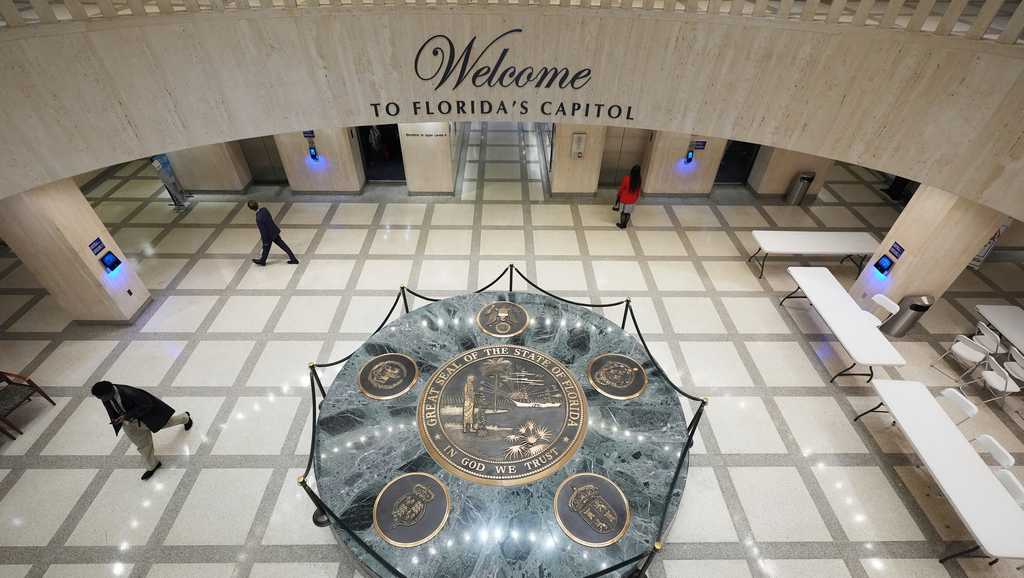
Florida’s 2026 legislative session is officially underway, launching a wave of high‑impact bills targeting property insurance reform, a proposal to eliminate property taxes, new education attendance requirements, and even an AI Bill of Rights. With over a hundred bills already filed, real estate agents, investors, insurers, educators, and other licensed professionals can expect significant regulatory shifts that may reshape Florida’s housing market, insurance costs, and professional compliance standards.
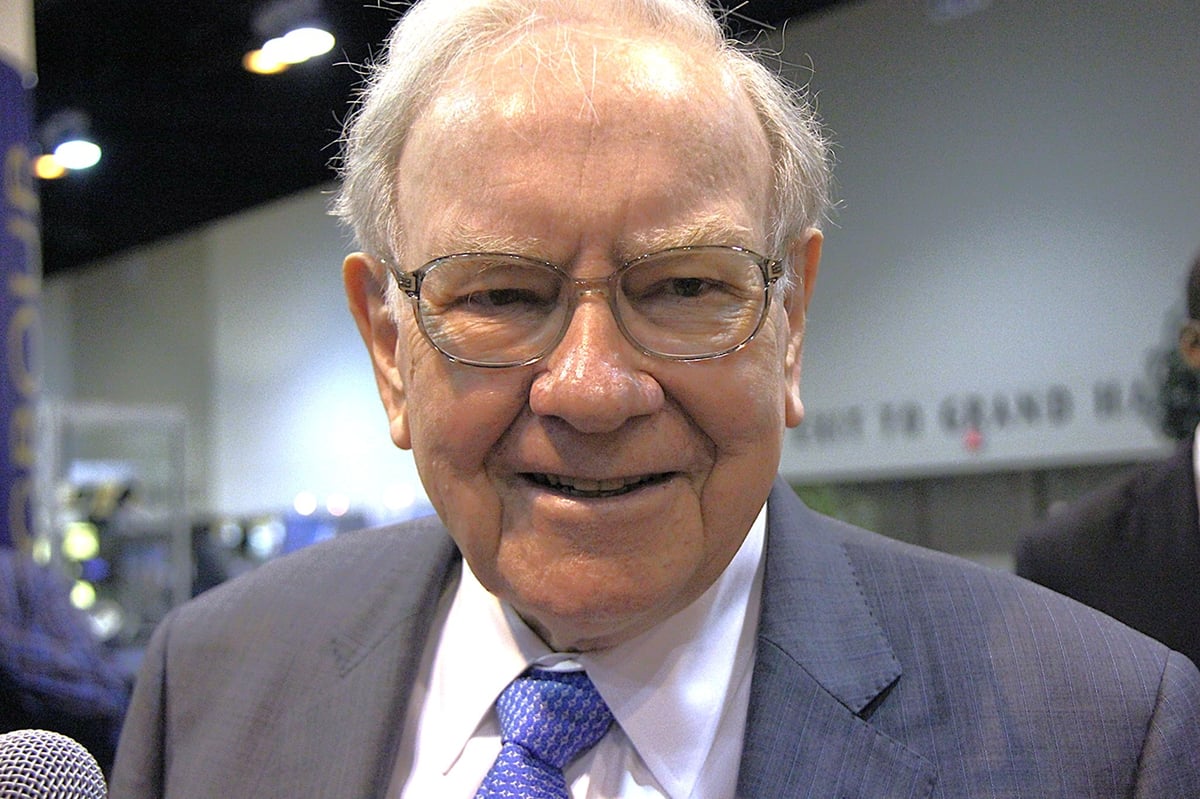
Warren Buffett’s timeless investing wisdom is more relevant than ever in 2026. Despite decades of market change, his core lesson remains the same: long‑term conviction outperforms short‑term prediction. From embracing occasional underperformance to avoiding emotional decisions, Buffett’s philosophy highlights why deep understanding and steady confidence are more valuable than trying to forecast market swings. This mindset isn’t just for investors—it’s a guiding principle for professionals looking to grow their careers with clarity and purpose.