Commercial Real Estate Rebounds, but AI Concerns Stir Investor Jitters
Commercial real estate is surging back to life — and investors are paying attention. Yet even as dealmaking accelerates, a new wave of anxiety is spreading across the industry: the growing influence of AI.
Leaders from three of the world’s most powerful commercial brokerage firms — Hessam Nadji of Marcus & Millichap, Jay Hennick of Colliers, and Bob Sulentic of CBRE — reported impressive earnings, some hitting record highs. But earnings calls quickly shifted as analysts repeatedly questioned whether AI could disrupt brokerage, valuation, and high‑level transaction work.
“AI Can’t Replace Human Insight,” CEOs Say
Sulentic underscored that CBRE’s value is rooted in irreplaceable human relationships and advanced problem‑solving — far beyond anything automated systems can replicate. “We’re not selling $2 million condos,” he noted. “These are big, complex transactions that we’re doing.”
The bottom line: AI may assist, but it cannot replicate the decades of trust, nuance, and strategic negotiation behind commercial real estate deals.
Still, the concerns were enough to momentarily shake real estate stocks — continuing a broader pattern of AI‑driven volatility across multiple sectors.
Evidence of a Recovering Market
Despite AI anxiety, fundamentals remain strong. Office leasing is improving, lending jumped over 30% in the fourth quarter, and CBRE posted its highest revenue ever — surpassing $40 billion.
Hennick emphasized that AI is actually strengthening productivity at Colliers, while Nadji dismissed doomsday fears as “overly cautious,” calling full AI displacement “almost an impossible scenario.”
Where AI Helps — and Where It Won’t
Experts agree AI’s real power lies in data organization, underwriting, automation, and administrative tasks. Meanwhile, property tours, negotiations, and client advising remain firmly in human hands.
Nadji explained that AI already boosts underwriting speed and analysis: “There are countless ways AI is going to improve manual processes.” Still, he rejected predictions of empty office towers run entirely by machines.
Robert Shibuya of Mohr Partners echoed this, calling the stock‑market reaction an “overreaction.” AI can summarize a 40‑page lease in minutes — but no algorithm can walk a property, sense the environment, or negotiate a deal with human nuance.
For both new and seasoned professionals, the takeaway is clear: AI is a tool — not a replacement. Those who learn to leverage technology while mastering human‑driven skills will lead the next generation of CRE success.
This is where Cameron Academy excels — empowering professionals across Florida and the entire U.S. with the knowledge and training needed to stay competitive in an evolving market.
Source material inspired by CoStar News. Visit their original report for deeper insights and ongoing commercial real estate coverage.
More Articles
Getting licensed or staying ahead in your career can be a journey—but it doesn’t have to be overwhelming. Grab your favorite coffee or tea, take a moment to relax, and browse through our articles. Whether you’re just starting out or renewing your expertise, we’ve got tips, insights, and advice to keep you moving forward. Here’s to your success—one sip and one step at a time!
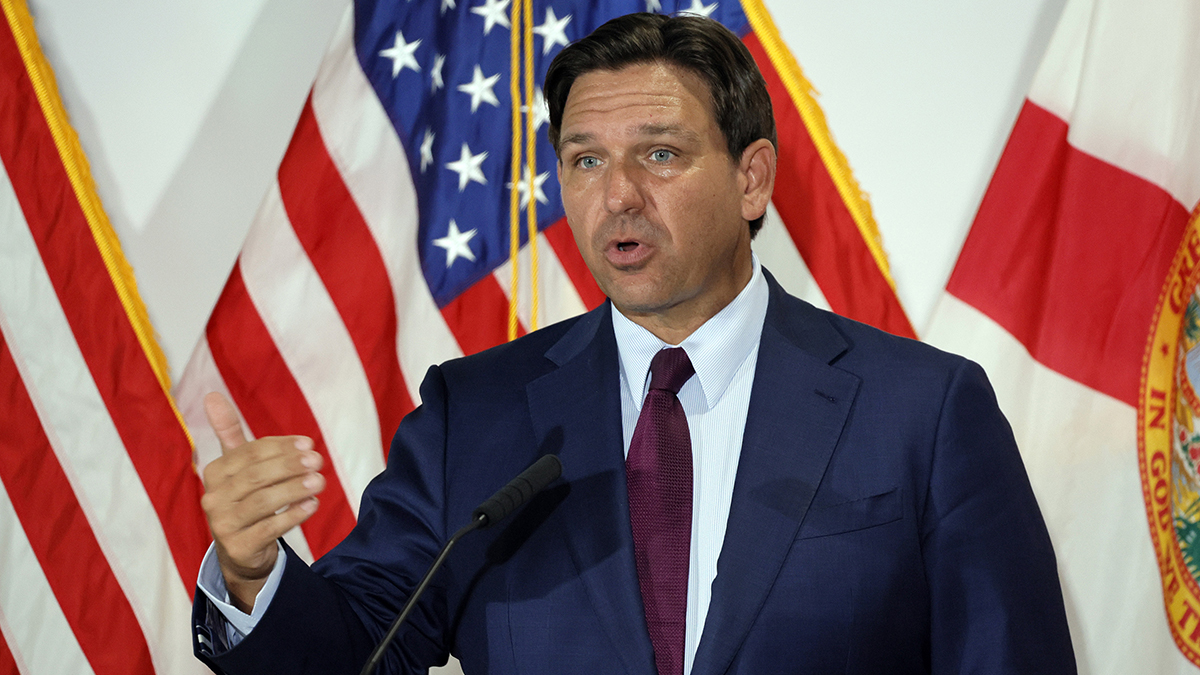
Florida homeowners — especially in hard‑hit South Florida — are set to see rare and substantial reductions in their property insurance premiums. Gov. Ron DeSantis announced an average statewide Citizens Insurance decrease of 8.7%, with even larger savings of up to 14% in counties like Miami-Dade, Broward, and Palm Beach. State officials credit recent legal and regulatory reforms for stabilizing the market, attracting new insurers, and delivering the first meaningful rate relief Floridians have seen in years.
Tampa’s commercial real estate market isn’t slowing—it’s maturing. With strong population growth, rising office demand, a normalized industrial sector, resurgent retail, and an emerging health‑care real estate boom, investors are shifting from speed to strategy. Tighter underwriting, cautious capital and increased due‑diligence are shaping a more disciplined market, creating new opportunities for informed professionals.
Florida homeowners are finally seeing relief as Citizens Property Insurance announces a major 8.7% average rate decrease—far larger than originally proposed. Driven by legislative reforms, fewer lawsuits, and a calm hurricane season, the state’s once‑unstable insurance market is showing real signs of recovery. But with reduced coverage limits and shifting legal protections, experts warn that lower premiums may come with hidden trade‑offs.
After a decade of rising premiums and retreating carriers, Florida homeowners are finally seeing long‑awaited relief. Dozens of insurers have filed for rate decreases—some as high as 11%—thanks to legislative reforms and a stabilizing market. Early approvals are already hitting counties across the state, and experts say the momentum could boost buyer confidence, affordability, and competition throughout Florida’s real estate and insurance sectors.
After years of slowed activity caused by rising interest rates, the self‑storage industry is heating up again. New data from Marcus & Millichap shows a fresh market cycle emerging, driven by renewed buyer confidence, recalibrated pricing, and stronger lender participation. Acquisitions are rebounding, development is resetting in a healthier direction, and financing conditions are improving—creating one of the most promising investment landscapes the sector has seen in years.
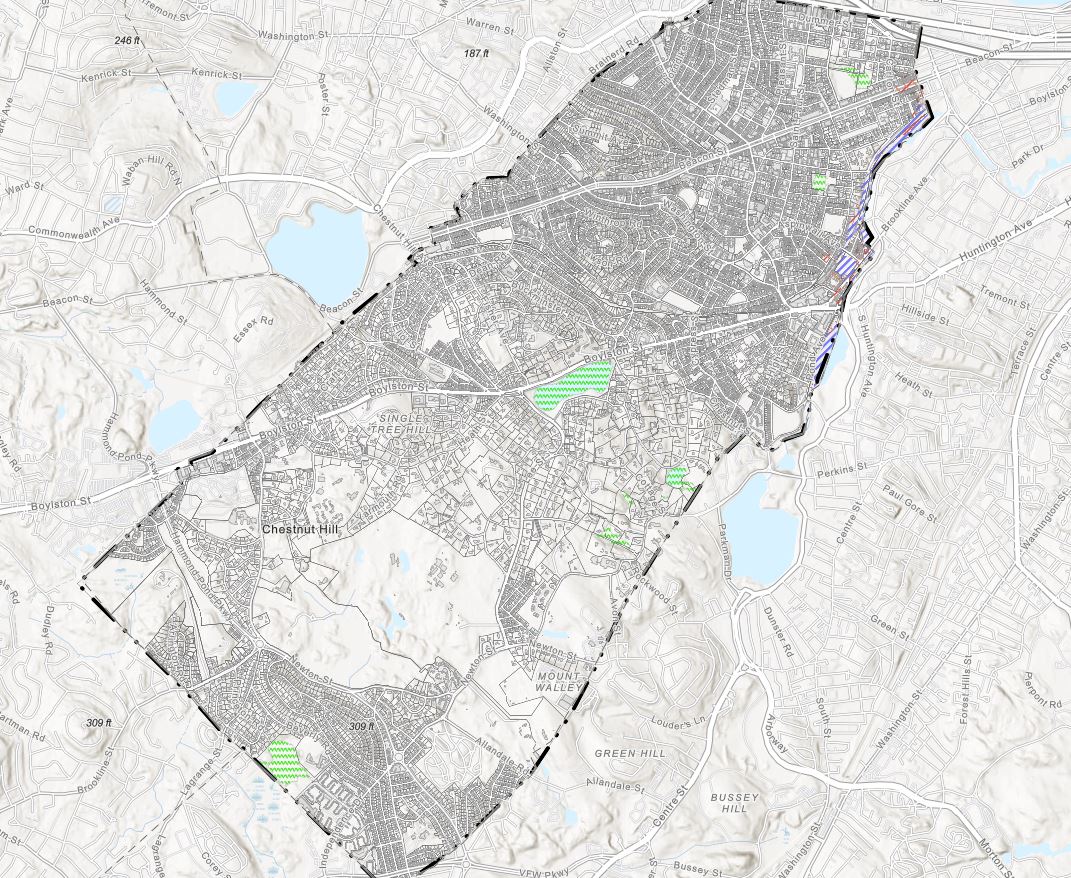
Brookline’s newly updated FEMA flood maps identify 97 high‑risk parcels, but local experts warn the true threat is far greater. While FEMA highlights river‑based flooding around Leverett Pond and the Muddy River, alternative models show more than 1,300 Brookline properties at risk within 30 years. Hidden vulnerabilities along major corridors like Beacon Street, rising rainfall intensity, aging infrastructure, and climate‑driven storm patterns suggest that many “low‑risk” areas may be anything but safe.