Commercial Real Estate Cools Again in November as Investors Shift Toward Bigger, Safer Assets

Commercial real estate trends

The commercial real estate market continued to lose steam in November, marking the second straight month of slowed deal-making across the industry. According to exclusive monthly data provided to CNBC’s Property Play by Moody’s, total transaction volume fell 10% compared to November 2024, with only 1,800 deals tracked across multifamily, office, industrial, retail, and hotel properties.

Even more striking, November activity underperformed not only last year but also November 2020—the height of the pandemic’s disruption. The downturn reflects a blend of pressures: higher-for-longer interest rates, policy uncertainty, and a cooling labor market. Yet Moody’s stresses that liquidity isn’t gone; it’s simply more selective, operating at about two-thirds of pre-pandemic levels and concentrated toward large-scale, stable assets.

Bigger Deals Are Dominating the Market

A clear trend is emerging: investors are increasingly prioritizing high-value, high-quality properties. While most deal sizes slipped in November, transactions over $100 million surged 51% year over year. That spike pushed the average deal size to $14.2 million—far above the $12 million average since 2019. Class A assets, unsurprisingly, accounted for most of these top-tier transactions.

“The trading this month is consistent with late-cycle barbelling,” explained Kevin Fagan, head of CRE capital market research at Moody’s. “There is a focus on durable trends, like demand for housing, logistics, and digital infrastructure.”

Sector Breakdown: Multifamily Leads, Office Repositions

Multifamily once again led the market with 20 major transactions in November. Office followed with 11 deals, while industrial logged eight.

The office sector—often characterized as unstable post-pandemic—is showing signs of recalibration. Fagan notes an “overall loosening,” with pricing discovery improving as assets find more realistic valuations. Many large sales now fall into four categories: mission-critical facilities, specialty-use properties, conversion targets, or deep-discount acquisitions.

Examples include a striking 53% discount sale at 114 West 41st St. in New York City and major corporate purchases by Novartis, First Citizens, and Alo Yoga.

Medical Office Continues Its Momentum

Although excluded from Moody’s core statistics, medical office transactions continue to outperform due to resilient national demand. November’s largest single deal came from this booming sector: Welltower’s $7.2 billion sale of a 296-property portfolio across 34 states to Remedy Medical Properties and Kayne Anderson Real Estate. The acquisition positions the partnership as the largest owner of outpatient medical buildings nationwide.

Portfolio Deals and Data Centers Surge

November also saw a notable rise in large, multi-property portfolio transactions—17 of the top 50 deals fell into this category, continuing a powerful post-pandemic trend.

Data centers, one of today’s most sought-after asset classes, had another standout month. The second-largest sale involved SDC Capital Partners acquiring 97 acres in Leesburg, Virginia, for $615 million—land fully zoned for future data center development.

Why This Matters for Current and Aspiring Professionals

For professionals in commercial or residential real estate, this shifting environment demands stronger skills, sharper insights, and a solid understanding of investor behavior. Whether you plan to enter commercial brokerage, diversify into investment advisory, or expand your portfolio, up-to-date education is crucial.

If you’re ready to advance your professional foundation, Cameron Academy offers flexible, industry-leading programs for real estate experts across Florida and beyond.

Explore the Original Reporting

This article draws from reporting by CNBC’s Property Play newsletter with Diana Olick, which delivers deep insights into evolving opportunities for real estate investors and industry professionals.

Read the full CNBC article here

Sign up for the Property Play newsletter

More Articles

Getting licensed or staying ahead in your career can be a journey—but it doesn’t have to be overwhelming. Grab your favorite coffee or tea, take a moment to relax, and browse through our articles. Whether you’re just starting out or renewing your expertise, we’ve got tips, insights, and advice to keep you moving forward. Here’s to your success—one sip and one step at a time!

Malware Trends 2025: The New Era of Subscription‑Based Cybercrime

Cybercrime in 2025 has evolved into a full‑scale service economy, with malware now available through subscription platforms that operate like mainstream tech businesses. Bitsight’s latest analysis reveals explosive growth in Malware‑as‑a‑Service tools, rising attacks across industries like healthcare, finance, tech, and real estate, and a surge in cross‑platform malware and supply‑chain exploits. For professionals in any licensed field, the message is clear: today’s digital landscape demands heightened vigilance, stronger identity security, and proactive defense against an increasingly organized underground threat environment.

The Proptech Revolution: How Gllit Is Making Real Estate Transactions as Simple as Booking a Flight

A new proptech startup in the UAE, Gllit is redefining how property deals happen by removing agents, eliminating commissions, and integrating AI tools that let users create professional listings in seconds. With a fast, transparent, and direct-to-owner model, Gllit offers a glimpse into the future of global real estate — and a powerful case study for U.S. professionals preparing for tech-driven changes in the industry.

2026 Housing Market Outlook: What Buyers, Renters, and Agents Need to Know

The 2026 housing market is shaping up to be a year of stability with a few surprises. Mortgage rates are expected to hold steady, home price growth is slowing, and yet ownership costs continue to rise due to soaring taxes and insurance. Meanwhile, renting is becoming more attractive as affordability improves and built‑to‑rent communities expand. This breakdown highlights the biggest trends ahead — and what they mean for buyers, sellers, and real estate professionals, especially in Florida.

Florida Homeowners Slammed by Soaring Insurance Costs as Lawmakers Push for Major Reform

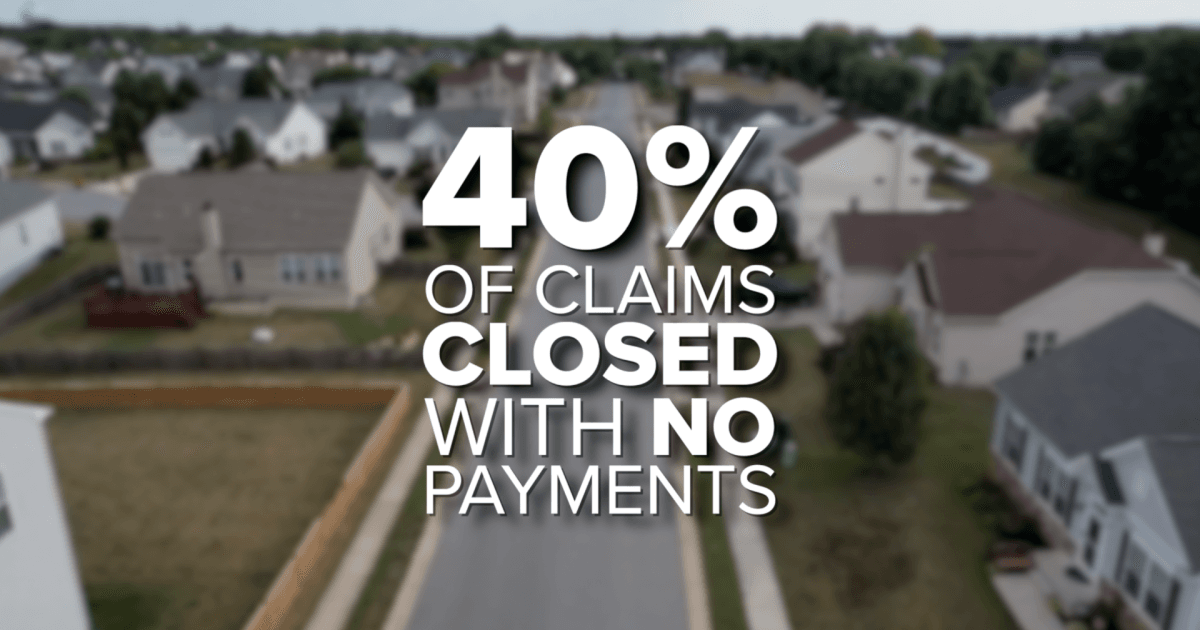
Florida homeowners are facing some of the highest insurance premiums in the nation, with average costs now topping $5,800 per year—about $3,000 above the U.S. average. Many residents report their rates have doubled or even tripled, while more than 40 percent of claims are closed with no payment. As frustration grows, state lawmakers and consumer advocates are pushing for transparency, rate caps, and incentives to help storm‑proof homes. The outcome of these reform efforts could reshape Florida’s real estate market, insurance landscape, and affordability for years to come.

Are Insurance Leaders Stuck in Silos? New Global Study Exposes a Hidden Weakness in Decision‑Making

A new global study from Risk.net and SAS reveals that many insurance companies are still making key decisions in isolated silos, despite industry-wide pushes toward data-driven strategies. While most leaders claim to have a clear vision, 38 percent admit they lack a real-time view of risks, revenue and costs. With poor data quality, limited collaboration and outdated processes holding teams back, experts say the industry is poised for a major transformation through AI, analytics and unified strategy—offering lessons for professionals across insurance, real estate, finance and other regulated fields.

Atlanta Housing Market Outlook 2025–2026: Stability, Rising Inventory, and What It Means for You

Atlanta’s housing market is shifting into a more balanced and predictable phase. Prices have leveled off, inventory has finally caught up, and mortgage rates are easing enough to bring buyers back into the game. With steady demand, growing listings, and only mild price corrections forecasted into 2026, Atlanta remains one of the Southeast’s strongest real estate markets for buyers, sellers, and investors alike.