Commercial Real Estate Cools Again in November as Investors Shift Toward Bigger, Safer Assets
The commercial real estate market continued to lose steam in November, marking the second straight month of slowed deal-making across the industry. According to exclusive monthly data provided to CNBC’s Property Play by Moody’s, total transaction volume fell 10% compared to November 2024, with only 1,800 deals tracked across multifamily, office, industrial, retail, and hotel properties.
Even more striking, November activity underperformed not only last year but also November 2020—the height of the pandemic’s disruption. The downturn reflects a blend of pressures: higher-for-longer interest rates, policy uncertainty, and a cooling labor market. Yet Moody’s stresses that liquidity isn’t gone; it’s simply more selective, operating at about two-thirds of pre-pandemic levels and concentrated toward large-scale, stable assets.
Bigger Deals Are Dominating the Market
A clear trend is emerging: investors are increasingly prioritizing high-value, high-quality properties. While most deal sizes slipped in November, transactions over $100 million surged 51% year over year. That spike pushed the average deal size to $14.2 million—far above the $12 million average since 2019. Class A assets, unsurprisingly, accounted for most of these top-tier transactions.
“The trading this month is consistent with late-cycle barbelling,” explained Kevin Fagan, head of CRE capital market research at Moody’s. “There is a focus on durable trends, like demand for housing, logistics, and digital infrastructure.”
Sector Breakdown: Multifamily Leads, Office Repositions
Multifamily once again led the market with 20 major transactions in November. Office followed with 11 deals, while industrial logged eight.
The office sector—often characterized as unstable post-pandemic—is showing signs of recalibration. Fagan notes an “overall loosening,” with pricing discovery improving as assets find more realistic valuations. Many large sales now fall into four categories: mission-critical facilities, specialty-use properties, conversion targets, or deep-discount acquisitions.
Examples include a striking 53% discount sale at 114 West 41st St. in New York City and major corporate purchases by Novartis, First Citizens, and Alo Yoga.
Medical Office Continues Its Momentum
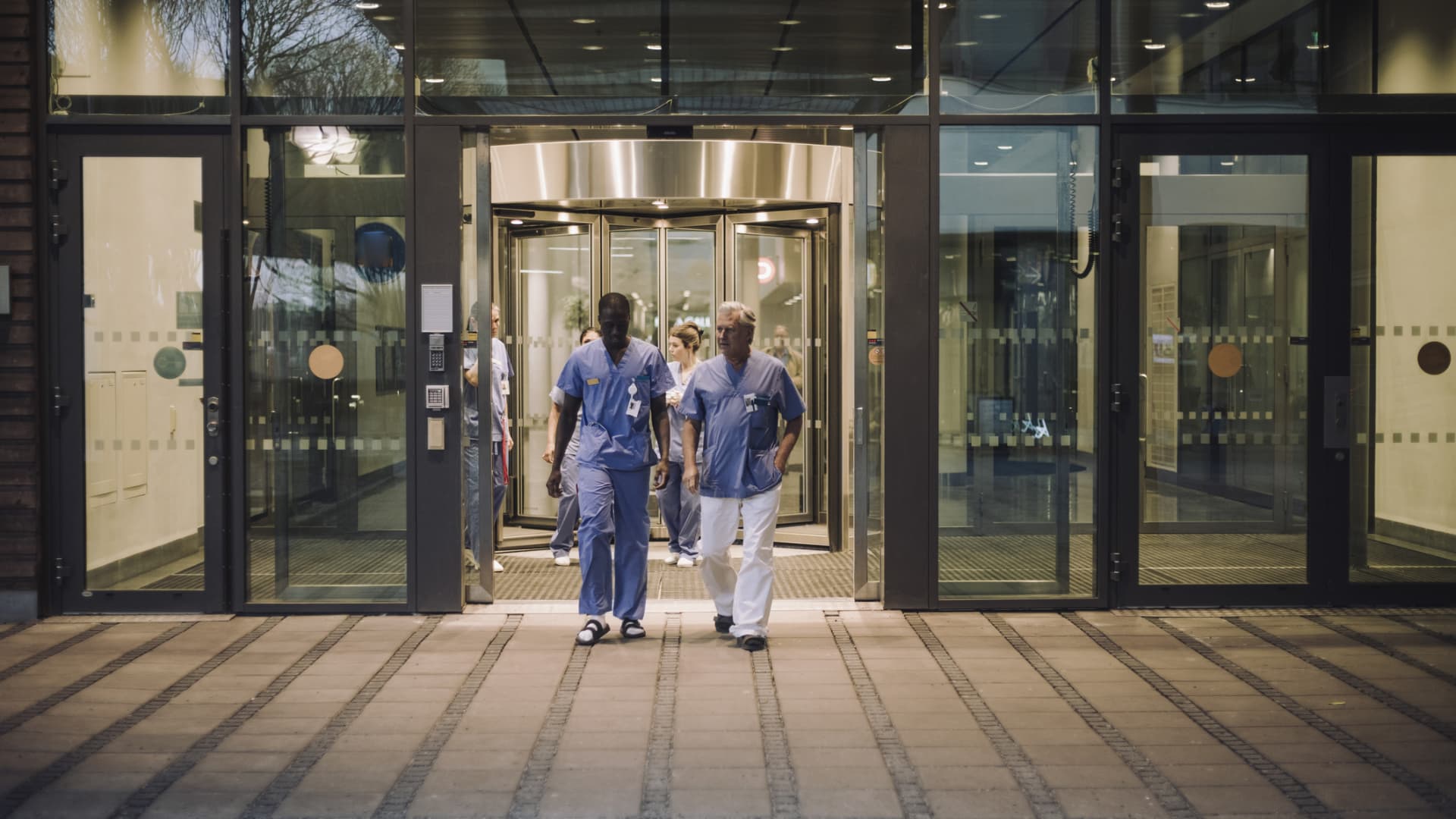
Although excluded from Moody’s core statistics, medical office transactions continue to outperform due to resilient national demand. November’s largest single deal came from this booming sector: Welltower’s $7.2 billion sale of a 296-property portfolio across 34 states to Remedy Medical Properties and Kayne Anderson Real Estate. The acquisition positions the partnership as the largest owner of outpatient medical buildings nationwide.
Portfolio Deals and Data Centers Surge
November also saw a notable rise in large, multi-property portfolio transactions—17 of the top 50 deals fell into this category, continuing a powerful post-pandemic trend.
Data centers, one of today’s most sought-after asset classes, had another standout month. The second-largest sale involved SDC Capital Partners acquiring 97 acres in Leesburg, Virginia, for $615 million—land fully zoned for future data center development.
Why This Matters for Current and Aspiring Professionals
For professionals in commercial or residential real estate, this shifting environment demands stronger skills, sharper insights, and a solid understanding of investor behavior. Whether you plan to enter commercial brokerage, diversify into investment advisory, or expand your portfolio, up-to-date education is crucial.
If you’re ready to advance your professional foundation, Cameron Academy offers flexible, industry-leading programs for real estate experts across Florida and beyond.
Explore the Original Reporting
This article draws from reporting by CNBC’s Property Play newsletter with Diana Olick, which delivers deep insights into evolving opportunities for real estate investors and industry professionals.
Read the full CNBC article here
Sign up for the Property Play newsletter