In the ever-evolving world of commercial real estate, 2025 is shaping up to be a year of significant transformation. As reported in a recent Forbes article, several key trends are poised to redefine the landscape.
Office Market Stabilization
The office sector, which has faced persistent challenges, is expected to find stability. According to CBRE, a construction slowdown coupled with a shift in occupier sentiment towards expansion is anticipated to result in a 5% increase in office leasing volume by 2025. Prime office spaces are predicted to become scarcer, with vacancy rates returning to pre-Covid levels by 2027.
Technological and Industrial Growth
The rise of AI is not only driving investment in data centers but also sparking interest in cold storage facilities, EV battery plants, and quantum computing campuses. These developments are likely to capture the attention of investors, despite the inherent challenges.
Enhancing Workplace Experience
As more employers mandate a return to the office, the focus is shifting towards creating more appealing work environments. Ariel Lumry of Perkins&Will suggests that custom spaces that enhance emotional and psychological connections can foster collaboration, offering benefits that virtual environments cannot replicate.
Retail Sector Dynamics
With a lack of new retail construction over recent years, retail rents are expected to rise as the national availability rate drops below 5%. Retailers are likely to seek long-term leases on prime locations to secure favorable terms.
Life Sciences Evolution
The rapid advances in AI and heightened attention to health issues such as obesity and Type 1 diabetes are prompting life science companies to reassess their strategies. This includes re-evaluating lab requirements and site preferences, potentially leading to more flexible and technologically advanced facilities.
Geographic Shifts and Industrial Demand
Changes in trade policy are expected to drive demand for industrial properties near the U.S.-Mexico border. CBRE predicts increased interest in distribution facilities along corridors like I-29 and I-35, affecting markets such as San Antonio and Dallas-Fort Worth.
Acoustic Management in Offices
With the return to office environments, managing noise has become crucial. Doug West from TPG Architecture highlights the importance of sophisticated sound management, including sound-proofing finishes and strategic office design to accommodate both employee interactions and video conferencing needs.
Collaborative Office Spaces
The shift towards “we” spaces in office environments is anticipated to continue. This includes the creation of common work hubs and strategically placed conversation areas to encourage team collaboration and spontaneous meetings.
These trends underscore a dynamic period ahead for commercial real estate, with a blend of technological innovation, strategic location choices, and evolving workplace designs leading the charge.
More Articles
Getting licensed or staying ahead in your career can be a journey—but it doesn’t have to be overwhelming. Grab your favorite coffee or tea, take a moment to relax, and browse through our articles. Whether you’re just starting out or renewing your expertise, we’ve got tips, insights, and advice to keep you moving forward. Here’s to your success—one sip and one step at a time!
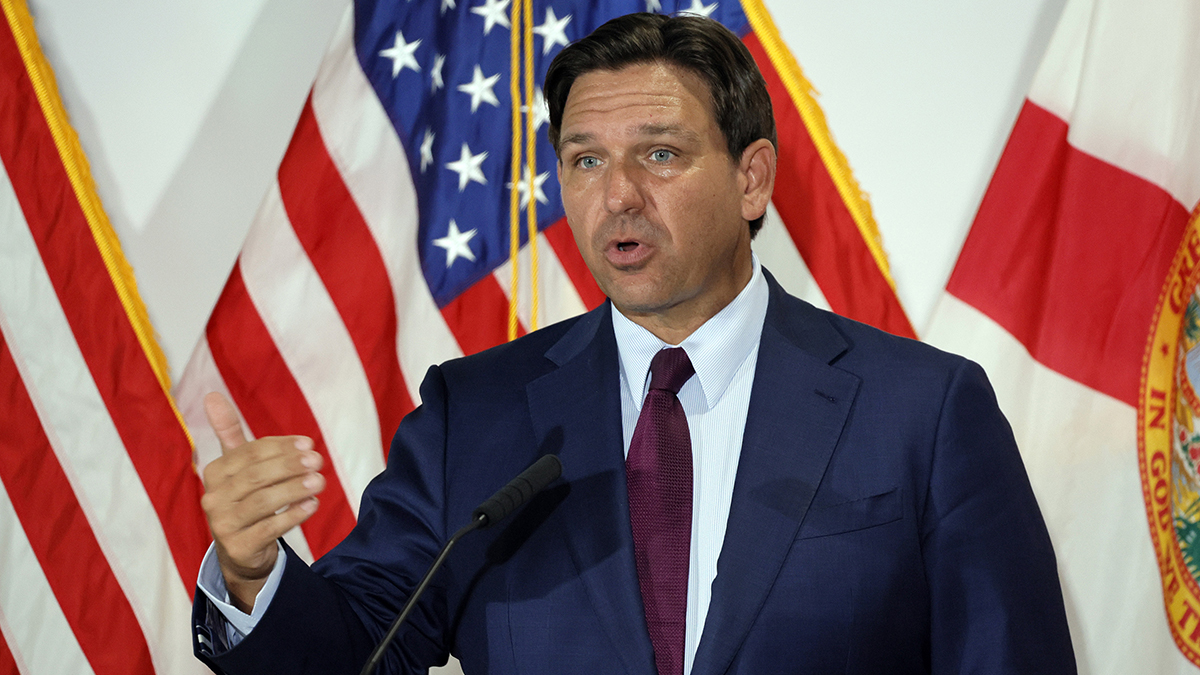
Florida homeowners — especially in hard‑hit South Florida — are set to see rare and substantial reductions in their property insurance premiums. Gov. Ron DeSantis announced an average statewide Citizens Insurance decrease of 8.7%, with even larger savings of up to 14% in counties like Miami-Dade, Broward, and Palm Beach. State officials credit recent legal and regulatory reforms for stabilizing the market, attracting new insurers, and delivering the first meaningful rate relief Floridians have seen in years.
Tampa’s commercial real estate market isn’t slowing—it’s maturing. With strong population growth, rising office demand, a normalized industrial sector, resurgent retail, and an emerging health‑care real estate boom, investors are shifting from speed to strategy. Tighter underwriting, cautious capital and increased due‑diligence are shaping a more disciplined market, creating new opportunities for informed professionals.
Florida homeowners are finally seeing relief as Citizens Property Insurance announces a major 8.7% average rate decrease—far larger than originally proposed. Driven by legislative reforms, fewer lawsuits, and a calm hurricane season, the state’s once‑unstable insurance market is showing real signs of recovery. But with reduced coverage limits and shifting legal protections, experts warn that lower premiums may come with hidden trade‑offs.
After a decade of rising premiums and retreating carriers, Florida homeowners are finally seeing long‑awaited relief. Dozens of insurers have filed for rate decreases—some as high as 11%—thanks to legislative reforms and a stabilizing market. Early approvals are already hitting counties across the state, and experts say the momentum could boost buyer confidence, affordability, and competition throughout Florida’s real estate and insurance sectors.
After years of slowed activity caused by rising interest rates, the self‑storage industry is heating up again. New data from Marcus & Millichap shows a fresh market cycle emerging, driven by renewed buyer confidence, recalibrated pricing, and stronger lender participation. Acquisitions are rebounding, development is resetting in a healthier direction, and financing conditions are improving—creating one of the most promising investment landscapes the sector has seen in years.
Brookline’s newly updated FEMA flood maps identify 97 high‑risk parcels, but local experts warn the true threat is far greater. While FEMA highlights river‑based flooding around Leverett Pond and the Muddy River, alternative models show more than 1,300 Brookline properties at risk within 30 years. Hidden vulnerabilities along major corridors like Beacon Street, rising rainfall intensity, aging infrastructure, and climate‑driven storm patterns suggest that many “low‑risk” areas may be anything but safe.