In the ever-evolving world of commercial real estate, 2025 is shaping up to be a year of significant transformation. As reported in a recent Forbes article, several key trends are poised to redefine the landscape.
Office Market Stabilization
The office sector, which has faced persistent challenges, is expected to find stability. According to CBRE, a construction slowdown coupled with a shift in occupier sentiment towards expansion is anticipated to result in a 5% increase in office leasing volume by 2025. Prime office spaces are predicted to become scarcer, with vacancy rates returning to pre-Covid levels by 2027.
Technological and Industrial Growth
The rise of AI is not only driving investment in data centers but also sparking interest in cold storage facilities, EV battery plants, and quantum computing campuses. These developments are likely to capture the attention of investors, despite the inherent challenges.
Enhancing Workplace Experience
As more employers mandate a return to the office, the focus is shifting towards creating more appealing work environments. Ariel Lumry of Perkins&Will suggests that custom spaces that enhance emotional and psychological connections can foster collaboration, offering benefits that virtual environments cannot replicate.
Retail Sector Dynamics
With a lack of new retail construction over recent years, retail rents are expected to rise as the national availability rate drops below 5%. Retailers are likely to seek long-term leases on prime locations to secure favorable terms.
Life Sciences Evolution
The rapid advances in AI and heightened attention to health issues such as obesity and Type 1 diabetes are prompting life science companies to reassess their strategies. This includes re-evaluating lab requirements and site preferences, potentially leading to more flexible and technologically advanced facilities.
Geographic Shifts and Industrial Demand
Changes in trade policy are expected to drive demand for industrial properties near the U.S.-Mexico border. CBRE predicts increased interest in distribution facilities along corridors like I-29 and I-35, affecting markets such as San Antonio and Dallas-Fort Worth.
Acoustic Management in Offices
With the return to office environments, managing noise has become crucial. Doug West from TPG Architecture highlights the importance of sophisticated sound management, including sound-proofing finishes and strategic office design to accommodate both employee interactions and video conferencing needs.
Collaborative Office Spaces
The shift towards “we” spaces in office environments is anticipated to continue. This includes the creation of common work hubs and strategically placed conversation areas to encourage team collaboration and spontaneous meetings.
These trends underscore a dynamic period ahead for commercial real estate, with a blend of technological innovation, strategic location choices, and evolving workplace designs leading the charge.
More Articles
Getting licensed or staying ahead in your career can be a journey—but it doesn’t have to be overwhelming. Grab your favorite coffee or tea, take a moment to relax, and browse through our articles. Whether you’re just starting out or renewing your expertise, we’ve got tips, insights, and advice to keep you moving forward. Here’s to your success—one sip and one step at a time!
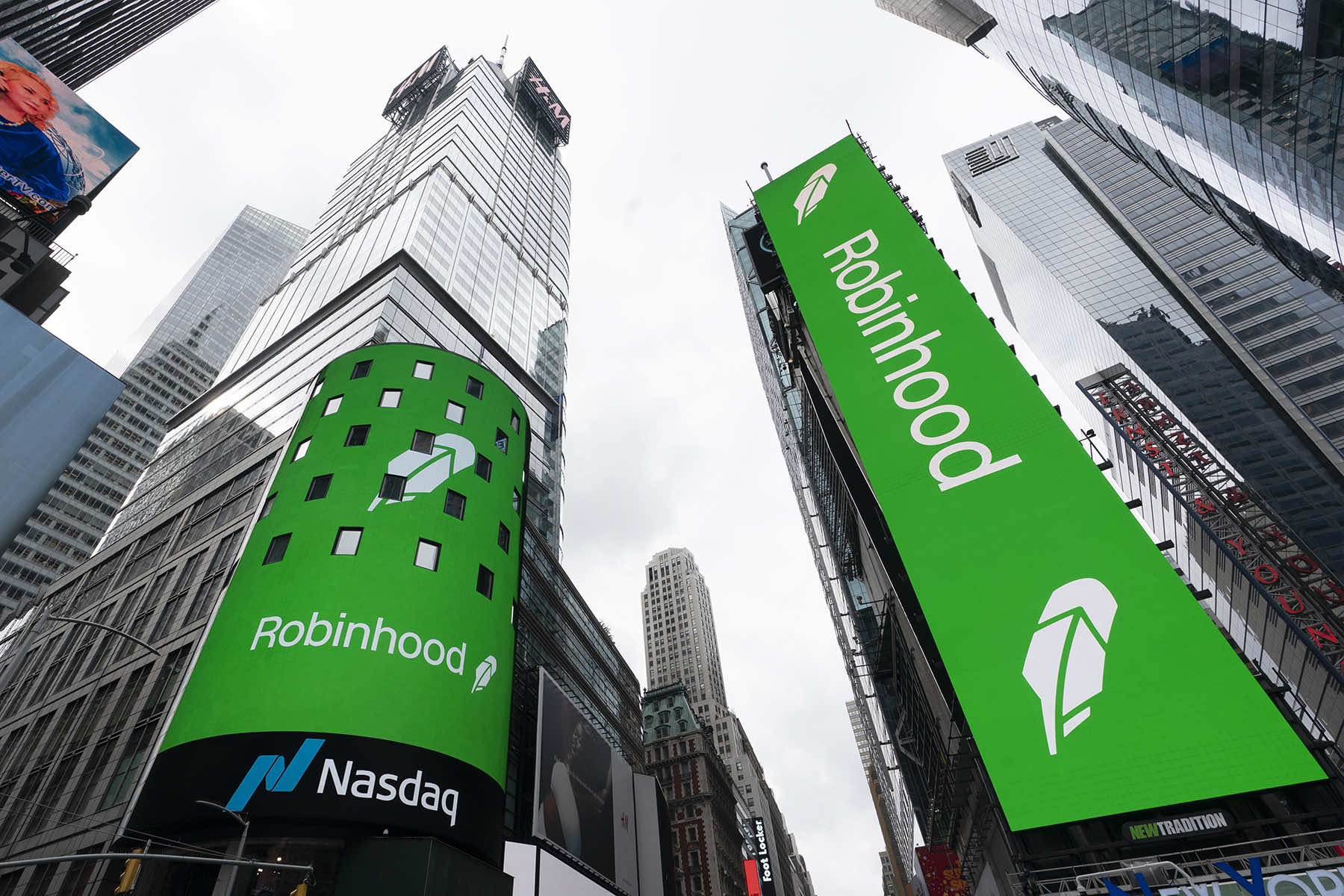
Tokenization has surged from crypto niche to global financial disruptor as institutions like Robinhood, BlackRock, and Coinbase race to digitize real-world assets. With pro‑crypto political momentum, shifting regulations, and private companies resisting newfound transparency, this emerging wave is transforming how investments are bought, sold, and accessed. For professionals in real estate, finance, lending, and insurance, this shift signals massive opportunity—and equally massive responsibility—as the next era of asset ownership takes shape.
Florida homeowners are finally getting relief as Citizens Property Insurance announces an average 8.7% statewide rate reduction for 2026, with South Florida seeing cuts as high as 14%. Driven by recent tort reforms and a stabilizing market, these decreases signal a major turnaround for an industry once on the brink of collapse — and a potential boost for real estate activity across the state.
After years of roller‑coaster chaos, the 2026 U.S. housing market is easing into something professionals haven’t seen in a long time: balance. Inventory growth has slowed to just 10% year over year—down sharply from 2025’s surge—signaling the end of the pandemic‑era scarcity and the rise of a market driven by real‑time demand and interest rates. With seasonal patterns returning, negotiations replacing bidding wars and rates drifting toward 6%, agents, lenders and investors are finally navigating conditions that look… normal.
More than half of Gen Z investors say they entered the stock market because of social media—not textbooks, not advisors. Viral creators, AI tools, and crypto trends are reshaping how young adults learn about money, invest early, and chase financial freedom. This Fortune‑featured shift highlights a generation determined to build wealth fast, trust digital voices over traditional institutions, and redefine financial education for the future.
After years of extremes, the U.S. housing market is shifting into a more balanced, predictable phase. Inventory growth has cooled from last year’s surge, seasonality is returning, and pricing is becoming increasingly rate‑sensitive. With mortgage rates hovering near 6% and policy changes reshaping investor participation, 2026 is emerging as a negotiation‑driven market where skilled agents, lenders, builders, and investors have a renewed advantage. This new landscape rewards strategy, education, and real‑time demand awareness—making it an ideal moment for professionals to refine their approach and capitalize on the market’s normalization.
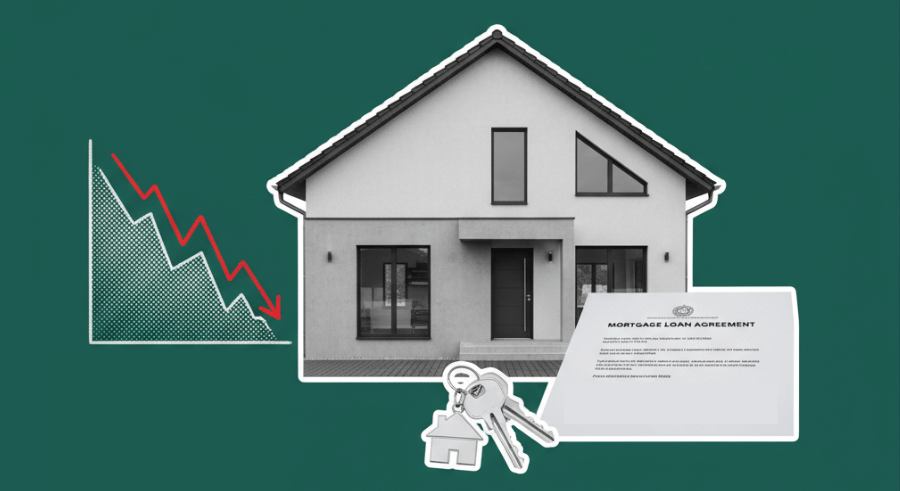
A sudden policy shift at the start of 2026 is already pushing mortgage rates lower, dipping them under 6% for the first time in months. New projections suggest the government-sponsored enterprises’ $200 billion in mortgage‑backed securities purchases could accelerate rate declines throughout the year, boosting affordability, home sales, and overall market activity for buyers, sellers, and real estate professionals alike.