Confidence Returns to Phoenix’s Commercial Real Estate Market
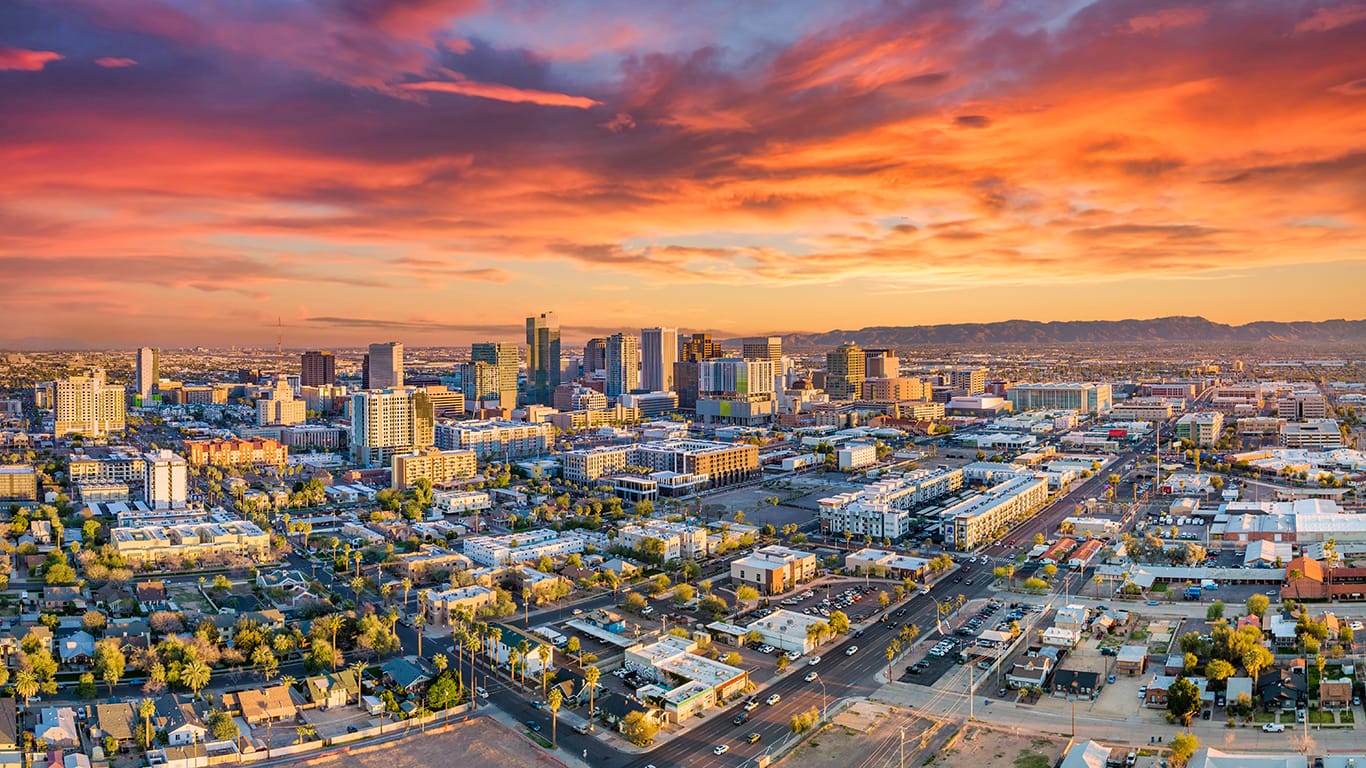
Phoenix skyline at sunset

After a stretch of economic uncertainty, the Phoenix commercial real estate sector is showing strong signs of renewed confidence — and the data backs it up. The latest Commercial Broker Sentiment Index (CBSI) from Arizona State University’s Center for Real Estate and Finance has posted an impressive reading of 62.7, the highest optimism level local brokers have recorded since interest rates began climbing years ago.

Source Spotlight

This article draws inspiration from AZ Big Media’s insightful coverage of Phoenix’s rising commercial real estate confidence. Explore the original source at:

AZ Big Media – Phoenix CRE Confidence

The CBSI acts as a forward‑looking indicator of what may unfold over the next six months. A score above 50 reflects industry optimism — and Phoenix professionals have soared past that threshold with strength. For context, the index barely stayed above 30 in late 2022. With confidence climbing steadily for two years, Phoenix is entering an exciting new phase heading into 2026.

What’s Driving the Market?

ASU’s Center for Real Estate and Finance, part of the prestigious W. P. Carey School of Business, stands at the forefront of analyzing shifting market forces. Executive Director Tom Johnston highlights how the center serves as a bridge between students, seasoned experts, and the wider business community — delivering research, education, and industry engagement.

This year’s survey expanded to include seven asset classes, bringing more depth than ever before. Brokers across the Valley report:

Quick Market Takeaways

Multifamily: affordability pressures persist, but long‑term demand stays strong.
Retail: thriving due to years of underbuilding and fast lease‑ups.
Class A Office: outperforming older, less‑updated buildings.
Capital Markets: improving thanks to easing interest rates and compressed lending spreads.

AI, Interest Rates, and Economic Momentum

Professionals are keeping a close eye on broader economic trends. Interest rates are beginning to ease, unlocking deal flow that had stalled. Meanwhile, artificial intelligence continues reshaping the industry, improving research, analytics, and operational efficiency.

Even with lingering concerns — regulation, tariffs, and corporate layoffs — Phoenix’s rapid population growth and diverse economy provide a strong foundation for continued expansion.

What Phoenix’s Future Might Look Like

With the metro expected to welcome more than 1 million new residents in the next 15 years, the question is no longer whether Phoenix will grow, but how. Johnston points to critical factors: water, infrastructure, land management, and environmental impact — all shaping the region’s future development.

Major players in manufacturing and technology continue investing heavily in the Valley, fueling job growth and demand for housing, retail, and services. From the East Valley to downtown, momentum remains unmistakably strong.

What This Means for Real Estate Professionals

Whether you’re a broker, developer, investor, or someone aspiring to join the industry, Phoenix’s renewed commercial energy offers opportunities across nearly every asset class. This rebound in confidence signals a market worth watching — and worth participating in.

For professionals advancing or starting their careers, strong market cycles highlight the importance of quality education. If you’re in Florida exploring real estate, mortgage, insurance, or other licensing paths, Cameron Academy provides flexible, career‑driven training designed for both emerging and experienced professionals.

More Articles

Getting licensed or staying ahead in your career can be a journey—but it doesn’t have to be overwhelming. Grab your favorite coffee or tea, take a moment to relax, and browse through our articles. Whether you’re just starting out or renewing your expertise, we’ve got tips, insights, and advice to keep you moving forward. Here’s to your success—one sip and one step at a time!

The Future of Commercial Real Estate: What 2030 Could Really Look Like

Commercial real estate is entering a decade of major transformation driven by interest rate pressures, evolving work culture, rapid proptech innovation, and growing demand for AI-focused infrastructure. While the global CRE market is projected to reach $133.5 trillion by 2028, rising rates, shifting office demand, and increasing sustainability requirements are reshaping how professionals invest, manage, and develop properties. By 2030, the biggest opportunities will center on mixed‑use conversions, data center growth, premium office spaces, and ESG‑driven upgrades.

NAR’s Antitrust Settlement Reshapes Real Estate: What Every Agent Needs to Know

The National Association of Realtors’ landmark antitrust settlement is transforming how real estate agents negotiate compensation, work with buyers, and handle transparency in transactions. With MLS‑posted buyer‑broker commissions eliminated and written buyer agreements now required, both consumers and professionals are navigating a new, more transparent landscape. While commission levels have only dipped slightly, the real shift is in how openly compensation is discussed and negotiated—creating new challenges and opportunities for agents who adapt quickly.

AI Supercharges Proptech in 2025: A Market Maturing at High Speed

Artificial intelligence is no longer a novelty in real estate — 2025 marks its breakthrough year as a dependable pillar of the proptech industry. With investors pouring capital into AI‑powered forecasting, security, automation, and property management tools, the sector is shifting from experimentation to full‑scale adoption. Brokerages, developers, and institutional players now rely on AI to streamline due diligence, enhance market modeling, reduce risk, and optimize building operations. As adoption accelerates, professionals who understand and leverage these technologies are gaining a decisive competitive edge in fast‑moving markets like Florida.

Too Many Cooks in the Kitchen? The 2026 Insurance Outlook Everyone’s Watching

A new episode of Current Account breaks down why the insurance industry is heading into 2026 with more uncertainty — and more opportunity — than ever. From shifting global regulations and rising catastrophe risks to FSOC’s evolving role in the U.S., industry leaders Jérôme Haegeli and Philippe Brahin explain how insurers are being pushed to rethink strategy in real time. With global premium growth expected to slow and regulatory pressures rising, professionals in insurance and financial services are turning to education and new skills to stay ahead in a rapidly changing market.

New Jersey’s Commercial Real Estate Boom: The Surprising Power Move Shaping 2026

New Jersey is quietly becoming one of the hottest commercial real estate markets in the nation, with Jersey City and North Jersey breaking into the top 10 in PwC’s 2026 Emerging Trends report. Fueled by redevelopment momentum, data‑center demand, mixed‑use transformations and a surge in health‑care projects, the state is drawing major investors while still battling rising construction costs and municipal fatigue. For real estate professionals, the Garden State’s evolution signals fresh opportunity—and a market worth watching closely heading into 2026.

NCOIL Challenges Trump’s AI Order, Warning of Major Impacts on Insurance Regulation

The National Council of Insurance Legislators is pushing back against President Trump’s new executive order on artificial intelligence, arguing that it threatens decades of state‑based insurance oversight. NCOIL leaders say federal attempts to centralize AI authority could disrupt markets, weaken consumer protections, and limit states’ ability to innovate—setting the stage for a significant legal and political battle with major implications for insurance professionals who rely on AI‑driven tools and regulatory clarity.