Confidence Returns to Phoenix’s Commercial Real Estate Market

Phoenix skyline at sunset

After a stretch of economic uncertainty, the Phoenix commercial real estate sector is showing strong signs of renewed confidence — and the data backs it up. The latest Commercial Broker Sentiment Index (CBSI) from Arizona State University’s Center for Real Estate and Finance has posted an impressive reading of 62.7, the highest optimism level local brokers have recorded since interest rates began climbing years ago.

Source Spotlight

This article draws inspiration from AZ Big Media’s insightful coverage of Phoenix’s rising commercial real estate confidence. Explore the original source at:

AZ Big Media – Phoenix CRE Confidence

The CBSI acts as a forward‑looking indicator of what may unfold over the next six months. A score above 50 reflects industry optimism — and Phoenix professionals have soared past that threshold with strength. For context, the index barely stayed above 30 in late 2022. With confidence climbing steadily for two years, Phoenix is entering an exciting new phase heading into 2026.

What’s Driving the Market?

ASU’s Center for Real Estate and Finance, part of the prestigious W. P. Carey School of Business, stands at the forefront of analyzing shifting market forces. Executive Director Tom Johnston highlights how the center serves as a bridge between students, seasoned experts, and the wider business community — delivering research, education, and industry engagement.

This year’s survey expanded to include seven asset classes, bringing more depth than ever before. Brokers across the Valley report:

Quick Market Takeaways

Multifamily: affordability pressures persist, but long‑term demand stays strong.
Retail: thriving due to years of underbuilding and fast lease‑ups.
Class A Office: outperforming older, less‑updated buildings.
Capital Markets: improving thanks to easing interest rates and compressed lending spreads.

AI, Interest Rates, and Economic Momentum

Professionals are keeping a close eye on broader economic trends. Interest rates are beginning to ease, unlocking deal flow that had stalled. Meanwhile, artificial intelligence continues reshaping the industry, improving research, analytics, and operational efficiency.

Even with lingering concerns — regulation, tariffs, and corporate layoffs — Phoenix’s rapid population growth and diverse economy provide a strong foundation for continued expansion.

What Phoenix’s Future Might Look Like

With the metro expected to welcome more than 1 million new residents in the next 15 years, the question is no longer whether Phoenix will grow, but how. Johnston points to critical factors: water, infrastructure, land management, and environmental impact — all shaping the region’s future development.

Major players in manufacturing and technology continue investing heavily in the Valley, fueling job growth and demand for housing, retail, and services. From the East Valley to downtown, momentum remains unmistakably strong.

What This Means for Real Estate Professionals

Whether you’re a broker, developer, investor, or someone aspiring to join the industry, Phoenix’s renewed commercial energy offers opportunities across nearly every asset class. This rebound in confidence signals a market worth watching — and worth participating in.

For professionals advancing or starting their careers, strong market cycles highlight the importance of quality education. If you’re in Florida exploring real estate, mortgage, insurance, or other licensing paths, Cameron Academy provides flexible, career‑driven training designed for both emerging and experienced professionals.


More Articles

Getting licensed or staying ahead in your career can be a journey—but it doesn’t have to be overwhelming. Grab your favorite coffee or tea, take a moment to relax, and browse through our articles. Whether you’re just starting out or renewing your expertise, we’ve got tips, insights, and advice to keep you moving forward. Here’s to your success—one sip and one step at a time!

Florida’s Political Storm: Immigration Protests, Insurance Shakeups, and Health Care Uncertainty

Palm Beach protests erupted as intensified immigration enforcement reached the heart of Trump’s hometown, while millions in Florida brace for rising health care costs as key subsidies near expiration. At the same time, state regulators boldly declare the long‑running property insurance crisis “over,” leaving homeowners and industry professionals questioning whether true stability has finally returned.

Real Estate Strategic Outlooks: Year-End 2025

As 2025 comes to a close, the real estate industry is shifting from uncertainty to strategic expansion. According to DWS’s Year-End 2025 Outlook, property values are stabilizing after years of repricing, capital is concentrating on high-quality assets, and Sunbelt markets—especially Florida—continue to outperform. With technology enhancing rather than replacing professional expertise, 2026 is shaping up to reward professionals who stay informed, skilled, and strategically positioned for the next cycle.

Texas Investors Ride Into San Francisco, Snapping Up Union Square Deals as the Market Hits Bottom

Texas capital is pouring into San Francisco’s long‑struggling commercial real estate market, with Lone Star investors buying up discounted Union Square buildings and signaling what many experts believe is the city’s market bottom. As office activity and confidence begin to return, buyers from across the country are joining the rush, turning SF’s post‑pandemic slump into one of the nation’s hottest bargain opportunities.

2026 Tech100 Countdown: Housing Tech Innovation Surges as Nomination Window Closes

With 2026 HousingWire Tech100 nominations closing on December 19, the housing tech sector is accelerating at full speed. AI‑powered data platforms, digital closing breakthroughs, embedded insurance growth, and next‑generation servicing automation are reshaping real estate, mortgage, insurance, and finance. From ATTOM’s AI‑ready property intelligence to Hapi Homes’ Martha Stewart design revival, Obie’s nationwide expansion, Outamation’s servicing automation, and ServiceLink’s next‑level borrower scheduling, this year’s standout innovators are defining the future of the housing economy.

Woodland Hills Retail Center Sold for $64 Million in Major Southern California CRE Deal

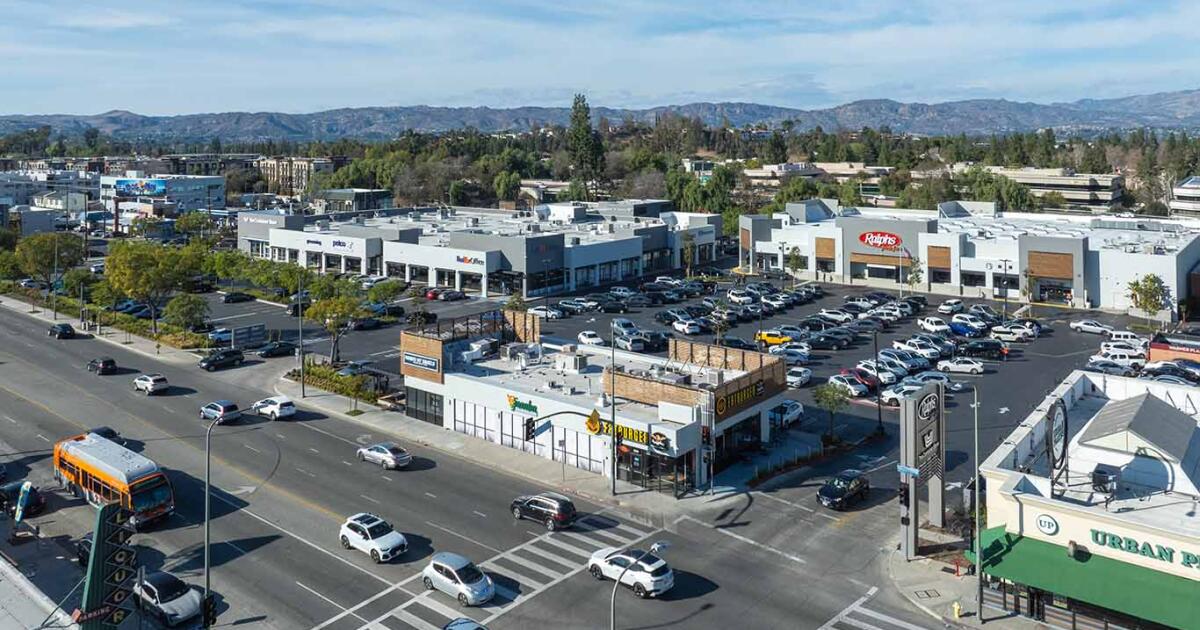
Space Investment Partners has acquired the 123,402‑square‑foot Topanga Gateway retail center in Woodland Hills for $64 million, marking another significant move in the firm’s expanding grocery‑anchored investment strategy. Located at a high‑visibility intersection and 97% occupied at the time of sale, the property strengthens the company’s push toward $500 million to $1 billion in retail acquisitions for 2026, underscoring continued investor confidence in necessity‑based retail assets.

Mortgage Rates Shift After Final 2025 Fed Cut: What Homebuyers Should Know Today

After the Federal Reserve’s final 2025 rate cut on December 10, mortgage markets are recalibrating, giving buyers and homeowners a glimmer of relief. Rates remain lower than earlier in the year, with 30-year fixed loans at 6.12% and refinances dipping as well. This shift may spark renewed activity for buyers, refinancers, and real estate professionals heading into 2026.