Copyright Office’s New Guidance on Fair Use in AI: A Delicate Balance

As the digital age continues to evolve, the intersection of technology and law becomes increasingly complex. In a groundbreaking move, the U.S. Copyright Office has released its third and final report in the “Copyright and Artificial Intelligence” series, offering nuanced guidance on fair use in the realm of generative AI (GenAI) training. This comprehensive analysis, dated May 16, 2025, sheds light on the intricate legal landscape surrounding the use of copyrighted materials in AI model training.

The report, titled Copyright and Artificial Intelligence: Part III – Generative AI Training, does not offer a blanket endorsement or rejection of fair use in AI training. Instead, it emphasizes the need for context-specific evaluations, adhering to the four factors outlined in Section 107 of the Copyright Act. These factors include the purpose and character of the use, the nature of the copyrighted work, the amount and substantiality of the portion used, and the effect of the use on the potential market.

Key Takeaways

  1. Transformativeness: The report highlights that the concept of “transformativeness” must be meaningful rather than mechanical. AI training that is transformative often involves large, diverse datasets, but the degree of transformativeness depends on the model’s functionality and deployment.


  2. Commerciality: The distinction between commercial and non-commercial use is not solely based on the entity type. Instead, it focuses on the activity itself. Even for-profit entities can engage in non-commercial uses, such as academic research.


  3. Whole-Work Usage: The use of entire works in AI training can undermine a fair use defense, particularly when outputs are made public. However, if the model obscures outputs or results in non-expressive outputs, fair use is more likely.


  4. Market Harm: Market harm is a central concern. The potential for AI-generated outputs to displace or dilute markets for copyrighted works is significant, especially in fields like illustration and journalism.


  5. Licensing and Monitoring: The Copyright Office encourages the development of licensing frameworks and legislative monitoring. While it stops short of endorsing compulsory licensing, it calls for scalable mechanisms to obtain rights for AI training.


Implications for Stakeholders

  • Developers and Technology Companies: AI developers should proceed cautiously when using copyrighted material. The report suggests that current training practices may not be broadly protected under fair use, urging developers to consider licensing content.


  • Content Creators and Rights Holders: The report supports creators who are concerned about the use of their works without permission. It underscores the importance of exploring registration, monitoring, and enforcement strategies.


  • Legal and Compliance Teams: Legal teams should treat GenAI training as a distinct area of copyright risk, ensuring visibility into the provenance of training data and the intended use of outputs.


  • Policymakers and Industry Groups: While the report advises against immediate government intervention, it anticipates further congressional interest. Industry groups should prepare for continued dialogue on licensing standards and transparency obligations.


Looking Ahead

This report marks a significant step in clarifying the relationship between copyright law and GenAI development. As the debate continues, companies and creators alike must adapt to the evolving legal landscape. For more detailed insights, the original report is available on the Wiley Rein website.

Authored by legal experts David E. Weslow, Scott Nuzum, and Stephanie Rigizadeh, this report serves as a crucial resource for understanding the future of AI and copyright law. For further reading, visit their profiles on the Wiley Rein website.

More Articles

Getting licensed or staying ahead in your career can be a journey—but it doesn’t have to be overwhelming. Grab your favorite coffee or tea, take a moment to relax, and browse through our articles. Whether you’re just starting out or renewing your expertise, we’ve got tips, insights, and advice to keep you moving forward. Here’s to your success—one sip and one step at a time!

Phoenix Housing Market Surges Ahead of the Nation in 2025

The Phoenix housing market continues to outperform the rest of the country, posting stronger sales, rising equity, and an influx of qualified buyers. With closed sales, pending sales, new listings, and median prices all trending upward, the Valley is outpacing national growth by a wide margin. City‑level data shows impressive strength across Scottsdale, Goodyear, Gilbert, Phoenix, and more—making 2025 a powerful year for agents, investors, and professionals watching the Arizona market.

20 High-Demand Jobs to Watch as 2026 Approaches — Major Events Are Fueling New Opportunities

With the 2026 FIFA World Cup and America’s 250th birthday celebrations on the horizon, the U.S. job market is gearing up for a surge across multiple industries. Seasonal, flexible, and part‑time roles are expected to rise—especially for workers 50+ who have struggled in a cooling labor market. From accounting and HR leadership to event staffing and delivery driving, major cities are preparing for increased hiring tied to tourism, infrastructure, and yearlong national celebrations. Many of these fast‑growing roles connect directly to licensing and certification pathways, giving professionals new chances to pivot or upskill through programs offered by Cameron Academy.

New Florida Laws Taking Effect January 1, 2026: Key Updates for Professionals

Florida is rolling out a new wave of laws on January 1, 2026 that will impact professionals in real estate, insurance, healthcare, education, and other regulated industries. From new insurance rules and healthcare billing requirements to condo association deadlines and statewide databases, these updates reshape compliance expectations across the state. Whether you work in property, finance, or public‑facing services, understanding these changes is essential for staying aligned with Florida’s evolving regulations.

Commercial Real Estate Pros Are Almost All Bullish on 2026

Nearly every commercial real estate professional is expecting a stronger year ahead, with 97% predicting increased or stable activity in 2026, according to Avison Young’s latest outlook. Confidence has surged dramatically since mid‑2025 as strong sales, anticipated rate cuts, and improving fundamentals across key sectors signal that CRE recovery and growth may finally be taking hold.

Dallas‑Fort Worth’s 2025 Boom: The Metroplex Redefining U.S. Growth

Dallas‑Fort Worth is finishing 2025 as the nation’s top real estate and business powerhouse, fueled by corporate relocations, a dominant industrial sector, infrastructure megaprojects, and a rapidly evolving workforce landscape. From data center expansion to the launch of the DART Silver Line, the region continues to outpace national trends—while also confronting a growing demand for skilled professionals and licensed talent across construction, real estate, and technical fields.

FEMA and NJDEP Unveil New Morris County Flood Maps, Triggering Key Changes for Property Owners and Professionals

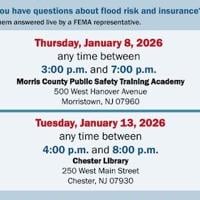
FEMA and the NJDEP have released revised preliminary flood maps for Morris County, reshaping how homeowners, real estate agents, insurers, and mortgage professionals assess flood risk. The updated FIRMs may shift properties into or out of higher‑risk zones, affecting insurance requirements, closing processes, and long‑term property values. With public review and appeals ahead, industry professionals are urged to study the changes now and prepare clients for potential impacts.