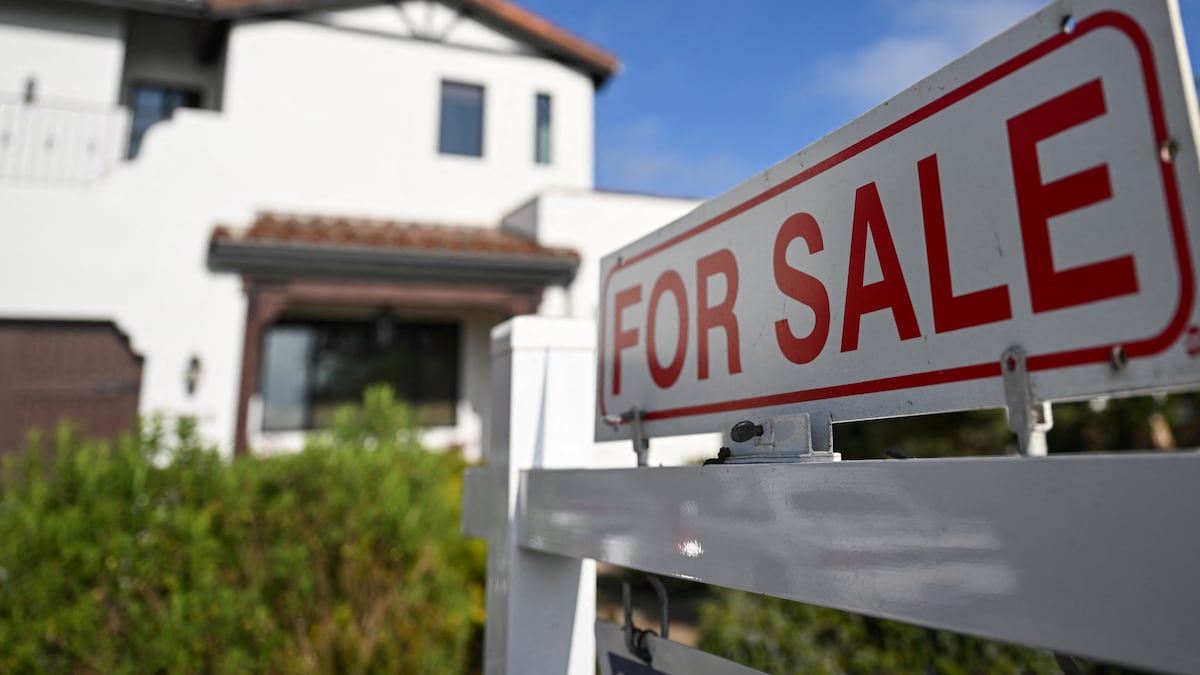
The real estate market has increasingly become a focal point for discussions on corruption and money laundering. This sector, particularly in the United States, offers a unique combination of stability and opacity, making it an attractive avenue for illicit activities. Major cities such as Miami, New York, and San Diego have emerged as hotspots for these activities, where corrupt actors can easily launder illicitly obtained funds through property purchases.
The U.S. Real Estate Market: A Haven for Corruption
As Treasury Secretary Janet Yellen highlighted in 2021, the United States provides an appealing environment for hiding and laundering ill-gotten gains. This is largely due to the lack of stringent regulations on cash transactions and beneficial ownership declarations. The U.S. Treasury Department’s Financial Crimes Enforcement Network (FinCEN) has identified the commercial real estate market as particularly vulnerable to money laundering, especially by sanctioned individuals such as Russian oligarchs.
The complexity and opacity of ownership structures in these transactions pose significant challenges for financial institutions tasked with detecting illicit activities. The anonymity provided in these transactions further facilitates the concealment of illicit wealth, allowing corrupt individuals to invest in high-value properties without the risk of their illegal activities being uncovered and punished.
Proposed Regulatory Changes
In response to these challenges, the Biden administration’s 2021 Strategy on Countering Corruption aims to close these loopholes. A proposed rule, anticipated to take effect in early 2024, will mandate real estate professionals to report the identities of beneficial owners in non-financed residential property purchases. This rule seeks to make permanent the temporary geographic targeting orders (GTOs) that currently require title insurance companies to disclose the natural persons behind shell companies in high-value cash transactions in select metropolitan areas.
These proposed changes are expected to enhance transparency, deter money laundering, and address sanctions evasion. As the U.S. and its allies continue to impose sanctions against Russian aggression, strengthening anti-money laundering measures in the real estate sector is crucial to combating illicit finance and safeguarding national security.
The Role of Real Estate Data
Real estate data can be instrumental in detecting potential money laundering and other criminal activities. Access to comprehensive property-related data—including legal and beneficial ownership, historical ownership information, and transaction details—can help authorities, journalists, and activists identify red flags indicative of corruption.
In 2017, Transparency International conducted an analysis focusing on anti-money laundering and corruption prevention mechanisms within the real estate sector across four key markets: Australia, Canada, the United Kingdom, and the United States. The report, titled “Doors Wide Open,” identified ten significant issues that allow corrupt individuals to anonymously purchase luxury properties and launder stolen money.
Despite these findings, the availability of critical real estate and beneficial ownership data remains limited. This lack of transparency means that much is still unknown about property ownership and whether these assets were acquired using illicit funds. The situation persists in the aforementioned markets, highlighting the ongoing challenge of combating corruption in the real estate sector.
Conclusion: Enhancing Transparency and Accountability
To effectively address corruption in the real estate market, it is crucial to enhance the availability and accessibility of real estate data. Strengthening anti-money laundering laws and ensuring transparency in property transactions can help expose and deter corrupt practices, ultimately fostering a more accountable and fair real estate market globally.
Advice and Suggestions
- For Real Estate Professionals: Stay informed about regulatory changes and ensure compliance with new rules regarding beneficial ownership reporting.
- For Policymakers: Consider implementing stricter regulations and enhancing data transparency to deter illicit activities in the real estate sector.
- For Investors: Conduct thorough due diligence and seek properties with clear ownership histories to avoid potential legal complications.
References