Creative Strategies Helping First-Time Buyers Step Into the 2026 Housing Market
The 2026 housing market may finally be offering first-time buyers a chance to breathe. According to a new outlook from the National Association of Realtors (NAR), rising inventory, cooling rates, and a wave of creative financial strategies are helping more people “make the math work” as they pursue the dream of homeownership.
After a rocky 2025—where first-time buyers made up just 21% of the market and hit a record-high age of 40—many felt pushed out of the wealth‑building opportunities that homeownership provides. But NAR’s deputy chief economist, Jessica Lautz, says buyers are refusing to sit on the sidelines.
“Homeownership is a way that many Americans build wealth … and unfortunately they’re just being pushed to the sidelines for a longer period of time,” Lautz said. “They’re also thinking about unique ways to enter into homeownership.”
Those unique strategies include tapping retirement funds, moving back home to save on rent, and teaming up with friends or roommates to co-buy property—a trend gaining traction nationwide.
Financing Creativity: ARMs, Grants, and Government-Backed Loans
One of the biggest shifts in 2026 is the renewed interest in adjustable-rate mortgages (ARMs). With affordability still tight, the lower introductory payments of ARMs are helping some buyers finally cross the threshold into ownership.
Shelley Jonietz of Chase Home Lending notes that many first-time buyers are choosing ARMs, but emphasizes thoughtful planning: “It can give buyers the affordability boost needed to get into the housing market sooner. Our role is to make sure they fully understand how this loan works … and whether the structure fits their long-term plans.”
Government-backed loans remain crucial—especially VA loans with no down payment. Meanwhile, lenders are rolling out more targeted grants and programs:
Bank of America: 3% down payment grant (up to $10,000) + $7,500 homeownership grant
Chase: Homebuyer Assistance Finder + grants up to $5,000 in eligible communities
Homebuilders Step In With Incentives and New Inventory
Builders are stepping up in a major way. In late 2025, roughly 40% of builders reduced new-home prices, with an average drop of 5%, while many others offered aggressive rate buy-downs.
Townhomes are also rising in popularity. According to the National Association of Home Builders, they now represent 18% of all single-family construction—an appealing entry point for budget-conscious buyers.
Will 2026 Be the Turnaround Year?
With inventory rising and interest rates gradually easing, NAR is cautiously optimistic. Lautz says that conditions are shifting—slowly but unmistakably—toward something first-time buyers haven’t experienced in years: real opportunity.
For aspiring real estate professionals observing these shifts, 2026 is shaping up to be a defining year. If you’re pursuing or upgrading your real estate license, Cameron Academy offers flexible, accredited programs in real estate, mortgage, insurance, and more—helping professionals stay sharp in a rapidly evolving market.
Lautz concludes: “Improved affordability conditions, even if just slightly, mean an opportunity for first-time homebuyers. And I hope they are able to take advantage of that next year.”
Getting licensed or staying ahead in your career can be a journey—but it doesn’t have to be overwhelming. Grab your favorite coffee or tea, take a moment to relax, and browse through our articles. Whether you’re just starting out or renewing your expertise, we’ve got tips, insights, and advice to keep you moving forward. Here’s to your success—one sip and one step at a time!
Florida now holds the highest foreclosure rate in the country, and Tampa sits at the center of the surge. With one in every 1,373 homes facing foreclosure, skyrocketing insurance premiums, rising housing costs and reduced equity are pushing many homeowners—especially those who purchased between 2020 and 2023—into financial distress. While some experts view the spike as a market “normalization,” professionals in real estate and finance are watching closely as Tampa’s backlog clears and pressure continues to build across the state.
Two former 3M campuses in Northwest Austin are set for a dramatic rebirth as Karlin Real Estate pushes forward with plans for Highpoint 2222 and the Duval site. The vision includes office and lab space, up to 65,000 square feet of retail, more than 1,200 multifamily homes, and new green space. With over 500 residents weighing in through the 2222 Coalition of Neighborhood Associations, traffic, density, and environmental protections are shaping the final blueprint. As office demand cools, mixed‑use development is becoming the new normal—positioning this corridor for one of the biggest transformations Austin has seen in years.
Despite constant headlines about a “housing crisis,” many economists and industry professionals argue the reality is more nuanced. In many regions, the issue isn’t a lack of homes but a mismatch between what’s available and what buyers want or can afford. As demographic shifts and remote work reshape demand, the market is evolving—not collapsing—creating opportunities for real estate, mortgage, insurance, and finance professionals who understand the difference between perception and reality.
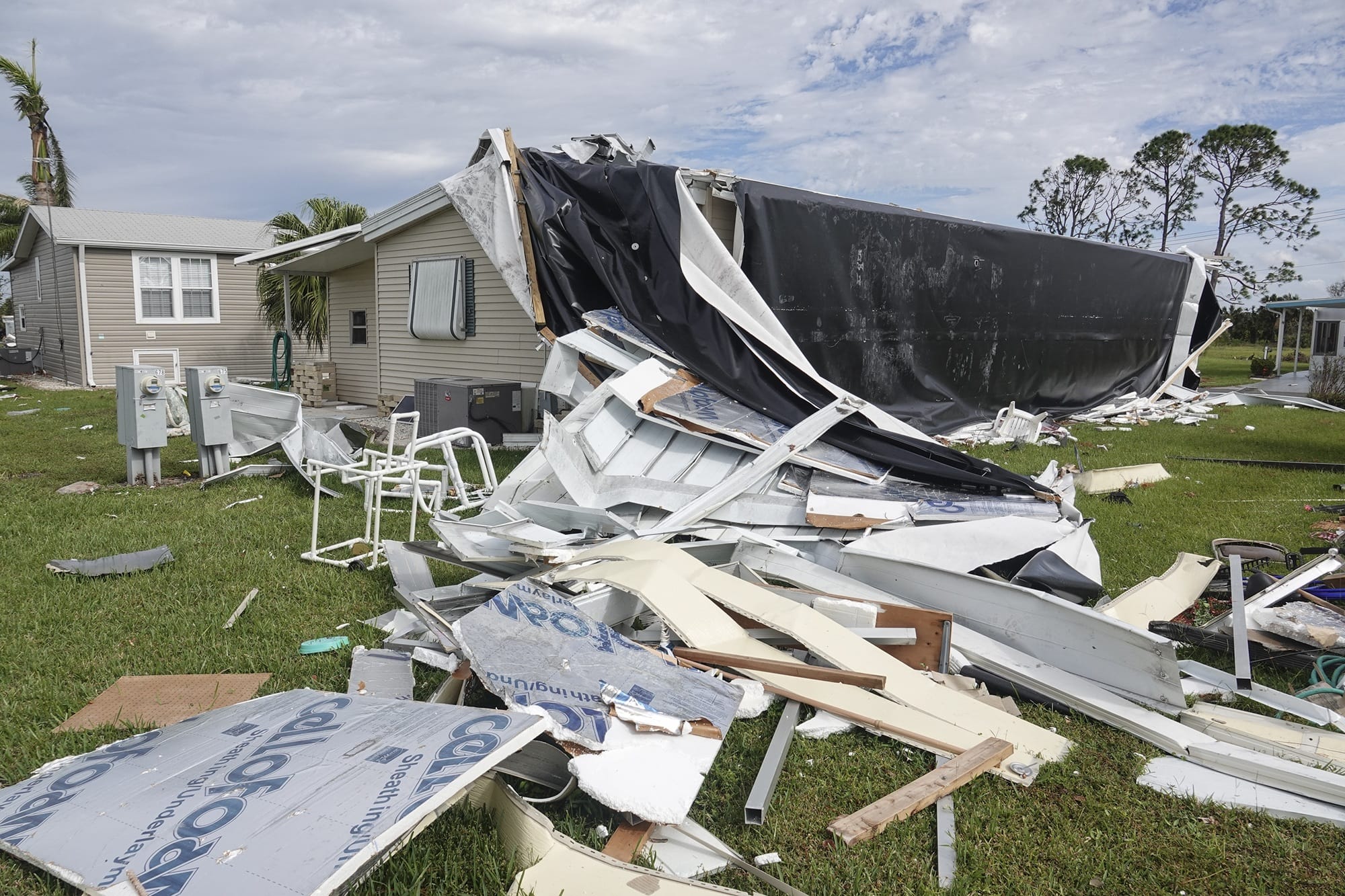
Hurricane Ian’s aftermath has exposed a growing affordability crisis across Southwest Florida. Skyrocketing insurance premiums, soaring construction costs, and rapid gentrification are making it harder for long‑time residents and middle‑class families to stay in their communities. From Fort Myers Beach to inland neighborhoods, homeowners, renters, and small businesses are feeling the pressure as rising costs reshape the region’s housing market and push many to reconsider their future in the state.
Florida’s home insurance market is facing its biggest credibility crisis in years. Despite major reforms meant to stabilize the system, homeowners are being pushed from Citizens into higher‑priced private insurers, many tied to companies that previously collapsed. Questionable financial ratings, high claim‑denial rates, and luxury‑level executive payouts are raising red flags across the state. For real estate and insurance professionals, this unstable landscape is reshaping home affordability, buyer confidence, and long‑term risk in Florida’s property market.
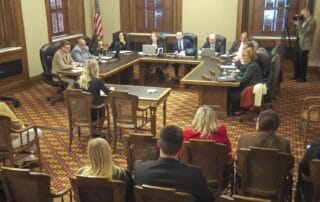
A new Michigan House bill aims to let licensed professionals complete all continuing education requirements online, offering greater flexibility for workers juggling rural travel, multiple jobs, or family demands. Supporters say the reform maintains high professional standards while removing unnecessary barriers, with regulators backing the shift and in‑person options remaining available.