Creative Strategies Helping First-Time Buyers Step Into the 2026 Housing Market
The 2026 housing market may finally be offering first-time buyers a chance to breathe. According to a new outlook from the National Association of Realtors (NAR), rising inventory, cooling rates, and a wave of creative financial strategies are helping more people “make the math work” as they pursue the dream of homeownership.
After a rocky 2025—where first-time buyers made up just 21% of the market and hit a record-high age of 40—many felt pushed out of the wealth‑building opportunities that homeownership provides. But NAR’s deputy chief economist, Jessica Lautz, says buyers are refusing to sit on the sidelines.
“Homeownership is a way that many Americans build wealth … and unfortunately they’re just being pushed to the sidelines for a longer period of time,” Lautz said. “They’re also thinking about unique ways to enter into homeownership.”
Those unique strategies include tapping retirement funds, moving back home to save on rent, and teaming up with friends or roommates to co-buy property—a trend gaining traction nationwide.
Financing Creativity: ARMs, Grants, and Government-Backed Loans
One of the biggest shifts in 2026 is the renewed interest in adjustable-rate mortgages (ARMs). With affordability still tight, the lower introductory payments of ARMs are helping some buyers finally cross the threshold into ownership.
Shelley Jonietz of Chase Home Lending notes that many first-time buyers are choosing ARMs, but emphasizes thoughtful planning: “It can give buyers the affordability boost needed to get into the housing market sooner. Our role is to make sure they fully understand how this loan works … and whether the structure fits their long-term plans.”
Government-backed loans remain crucial—especially VA loans with no down payment. Meanwhile, lenders are rolling out more targeted grants and programs:
Bank of America: 3% down payment grant (up to $10,000) + $7,500 homeownership grant
Chase: Homebuyer Assistance Finder + grants up to $5,000 in eligible communities
Homebuilders Step In With Incentives and New Inventory
Builders are stepping up in a major way. In late 2025, roughly 40% of builders reduced new-home prices, with an average drop of 5%, while many others offered aggressive rate buy-downs.
Townhomes are also rising in popularity. According to the National Association of Home Builders, they now represent 18% of all single-family construction—an appealing entry point for budget-conscious buyers.
Will 2026 Be the Turnaround Year?
With inventory rising and interest rates gradually easing, NAR is cautiously optimistic. Lautz says that conditions are shifting—slowly but unmistakably—toward something first-time buyers haven’t experienced in years: real opportunity.
For aspiring real estate professionals observing these shifts, 2026 is shaping up to be a defining year. If you’re pursuing or upgrading your real estate license, Cameron Academy offers flexible, accredited programs in real estate, mortgage, insurance, and more—helping professionals stay sharp in a rapidly evolving market.
Lautz concludes: “Improved affordability conditions, even if just slightly, mean an opportunity for first-time homebuyers. And I hope they are able to take advantage of that next year.”
Getting licensed or staying ahead in your career can be a journey—but it doesn’t have to be overwhelming. Grab your favorite coffee or tea, take a moment to relax, and browse through our articles. Whether you’re just starting out or renewing your expertise, we’ve got tips, insights, and advice to keep you moving forward. Here’s to your success—one sip and one step at a time!
Investors worldwide are redeploying capital, embracing more active deal structures, and expanding into new regions as the 2026 market takes shape. Data centers, revived office demand, and global diversification are driving a major shift—creating fresh opportunities for real estate, mortgage, and finance professionals who understand where capital is heading next.
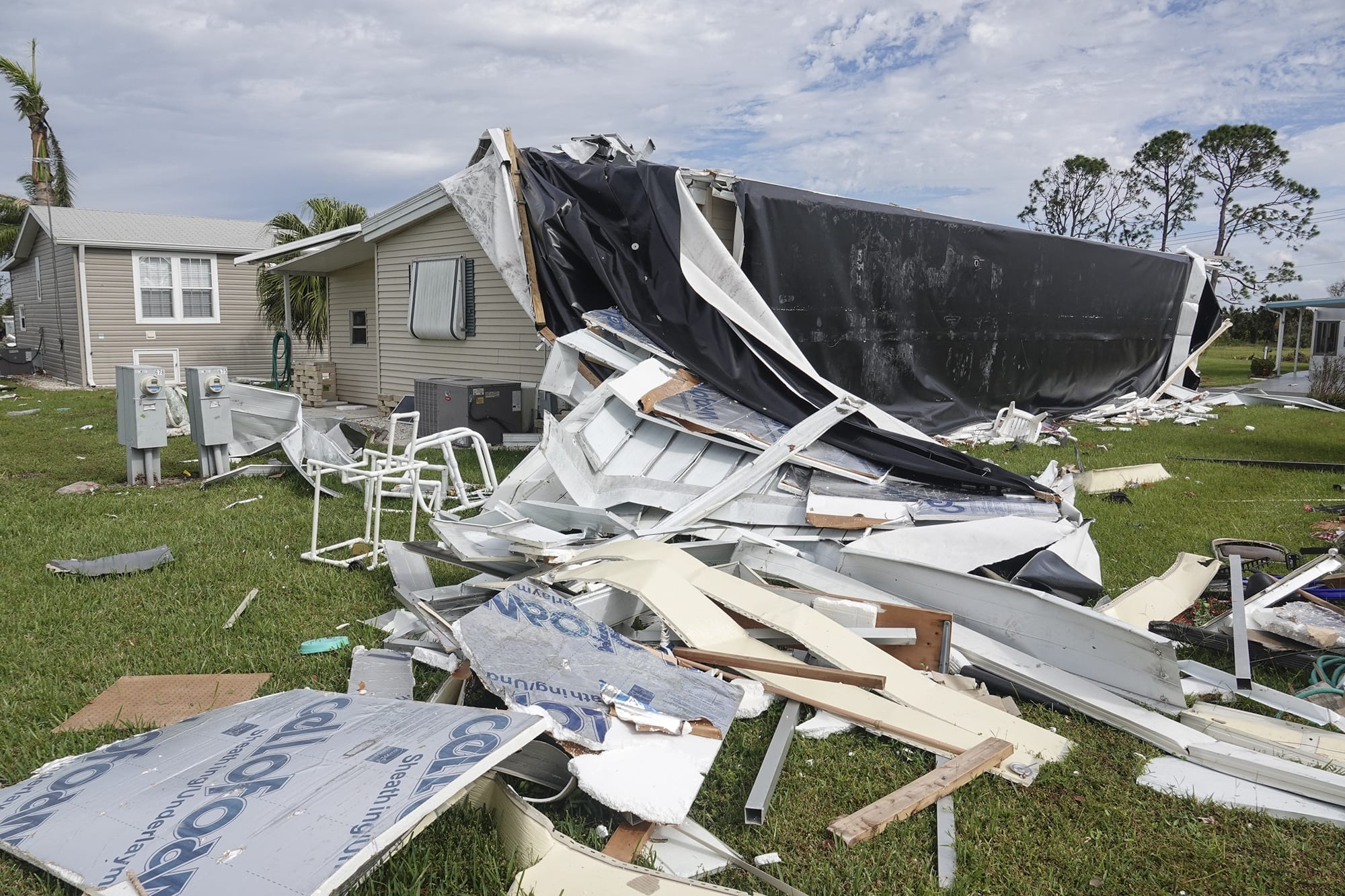
Florida homeowners now pay an average of $5,838 per year for insurance—about $3,000 more than the national average—pushing many families to the financial brink. Residents report premiums tripling, claims being severely underpaid, and insurers dropping policies at one of the highest rates in the country. As frustration mounts, lawmakers and industry experts are calling for sweeping reforms to curb rising costs, increase accountability, and stabilize a market that’s reshaping real estate decisions across the state.
Florida’s insurance market has hit a major turning point. Citizens Property Insurance—once the state’s largest insurer with 1.4 million policies—has shed more than 900,000 policies as private insurers return in force. Driven by Florida’s depopulation program and the arrival of 17 new companies, nearly 200,000 policies shifted to private carriers in October alone, with about 40 percent offering lower premiums. The shift signals rising competition, stabilizing rates, and new opportunities for homeowners and industry professionals navigating Florida’s evolving insurance landscape.
The National Association of REALTORS® has approved 18 major updates to modernize its MLS policies—the largest overhaul in two decades. Announced at NAR NXT in Houston and set to take effect in January 2026, the changes aim to streamline MLS operations, improve enforcement clarity, and better align policies with how today’s real estate professionals actually work.
Inhabit has rolled out a powerful lineup of AI-driven leasing, marketing, fraud prevention, and compliance tools designed to streamline operations and protect property teams from growing risks. From hybrid AI leasing assistants to instant income verification and upcoming portfolio-wide lease audits, these innovations aim to cut costs, eliminate inefficiencies, and strengthen regulatory confidence across the multifamily industry.
Florida’s latest round of insurance reforms was meant to calm a volatile market, yet many experts warn the same deep structural problems remain. Homeowners are being pushed from Citizens into higher‑priced, lightly capitalized private insurers, ratings agencies face scrutiny for inflated grades, and political influence clouds oversight. For real estate and insurance professionals, these trends signal ongoing risk, rising costs, and a market in need of a complete rebuild.