Cyprus Pushes Bold Housing Reforms as Leaders Target Faster Development and Greater Affordability
During the 31st General Assembly of the Cyprus Federation of Building Contractors Associations (OSEOK), President Nikos Christodoulides delivered a message that resonated well beyond Cyprus’ borders. His call was clear: the future of construction, licensing, and housing accessibility must become faster, smarter, and more affordable.
For professionals in real estate, construction, finance, and development—even here in the U.S.—the reforms introduced in Cyprus provide a compelling example of how governments are adapting to modern housing pressures. Streamlined permits, affordability initiatives, and responses to workforce shortages aren’t unique to Cyprus—they’re global challenges.
Fast-Track Development Licensing: A New Era
President Christodoulides outlined transformative changes to development licensing, including a fast‑track approval system for low‑ and medium‑risk projects, which make up nearly half of all applications. Under this new structure, single‑family and two‑family homes are slated for approval within 40 working days, while apartment buildings of up to 20 units should see decisions within 80 days.
Already, more than 1,400 home applications and around 260 apartment-building applications have been processed through this accelerated pathway—an encouraging signal for any nation grappling with permitting delays, including the U.S.
Addressing Delays and Unlocking Housing Supply
District-level permit delays have long posed challenges, but the President emphasized meaningful improvements. Initiatives such as new urban planning incentives and the Build to Rent scheme offer developers expanded building coefficients—up to 45%—in exchange for committing portions of their projects to affordable pricing.
This strategy is expected to generate approximately 1,500 new residential units within two years, including 250 affordable homes. This mirrors similar affordability pushes in major U.S. markets and highlights how global leaders are recalibrating the housing equation.
European Strategy and a Unified Housing Vision
On the European stage, the President announced that an updated EU-wide strategy for affordable housing is expected to roll out this December. With Cyprus preparing to assume the Presidency of the Council of the EU, the nation intends to help steer a cohesive housing policy across member states.
The Construction Sector Speaks
Industry leaders added their voices as well. OSEOK President Stelios Gavriel noted that construction contributes roughly 12% of Cyprus’ GDP and supports more than 43,000 jobs. Still, he underscored the need for long-term labor strategies, recruitment channels, and international workforce agreements.
ETEK President Constantinos Constanti further emphasized modernization, advocating for transparent and efficient processes in public projects. Meanwhile, the Cyprus Employers & Industrialists Federation recognized construction as the nation’s economic “steam engine.”
For professionals in Florida or across the U.S., these reforms offer not only global perspective but also practical insight. Staying informed on how other countries accelerate development can inspire new approaches within your own markets.
If you’re advancing your career, enhancing your credentials, or entering a new professional field, Cameron Academy remains committed to guiding you with high‑quality licensing education that evolves with today’s industry demands.
Getting licensed or staying ahead in your career can be a journey—but it doesn’t have to be overwhelming. Grab your favorite coffee or tea, take a moment to relax, and browse through our articles. Whether you’re just starting out or renewing your expertise, we’ve got tips, insights, and advice to keep you moving forward. Here’s to your success—one sip and one step at a time!
Artificial intelligence is rapidly reshaping the mortgage industry, boosting productivity, reducing manual work, and accelerating loan closings. From automated document data extraction to AI‑generated underwriting narratives and predictive analytics, lenders are using new tools that improve accuracy and drastically speed up processing times. With chatbots, next‑gen point‑of‑sale systems, and end‑to‑end automation, preapprovals that once took days now take minutes. For mortgage and real estate professionals, mastering AI is becoming a major competitive advantage—one that defines who will thrive in the future of lending.
Florida’s property insurance rates are finally starting to drop, but many homeowners are still seeing higher monthly bills. The reason isn’t insurer price hikes—it’s soaring replacement costs driven by construction inflation, labor shortages, and rising home values. Nearly 75 percent of recent premium increases came from higher property values alone. Understanding this gap between “rates” and “premiums” helps homeowners—and real estate and insurance professionals—navigate the shifting Florida market and make smarter coverage decisions.
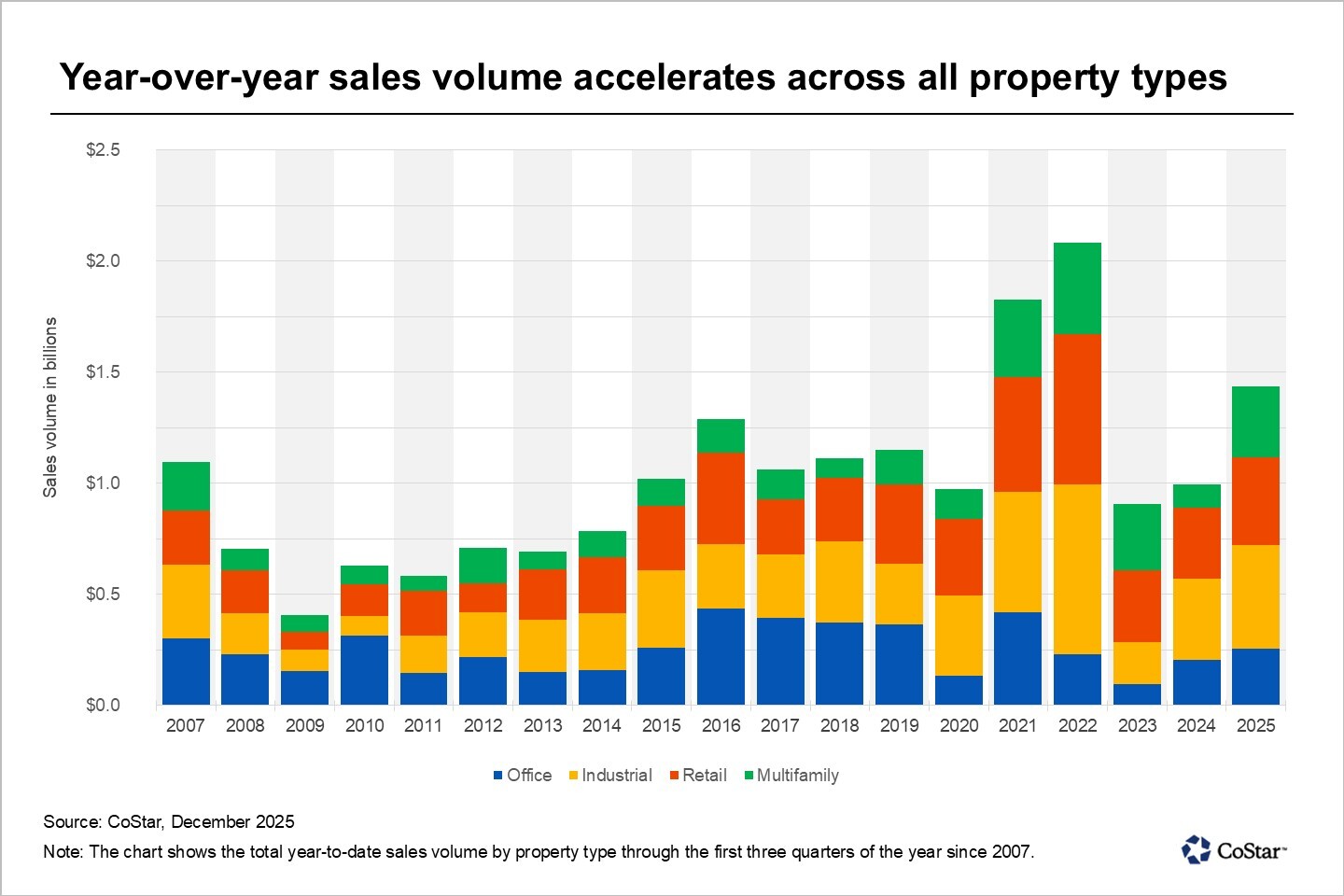
Milwaukee’s commercial real estate market is finally showing real signs of recovery, with 2025 sales volume hitting a three‑year high and investor confidence steadily returning. Driven by selective, fundamentals‑focused buying—favoring strong cash flow, quality assets, and strategic pricing—the city is moving from a period of correction into a healthier, opportunity‑rich phase. For real estate professionals nationwide, Milwaukee’s momentum reflects broader CRE market stabilization and the growing importance of disciplined underwriting and market expertise.
Industry leaders project a major surge in reverse mortgage activity heading into 2026, fueled by rising proprietary products, lender innovation, and strong investor interest. As high interest rates push originators to adopt new strategies, flexible private‑label options, senior‑focused HELOCs, and a wave of big‑capital investment are reshaping the market. With education and policy shifts poised to unlock even more demand, reverse mortgages are entering their most transformative era yet.
Experts forecast that 2026 may bring long‑awaited relief to homebuyers, with both existing and new home inventory expected to rise. NAR predicts a boost in home sales, a slight drop in mortgage rates, and a modest 4% increase in prices—conditions that could motivate more homeowners to list while builders add over a million new homes to the market. For first‑time buyers, higher loan limits and easing qualification standards may make entering the market more achievable than in recent years.
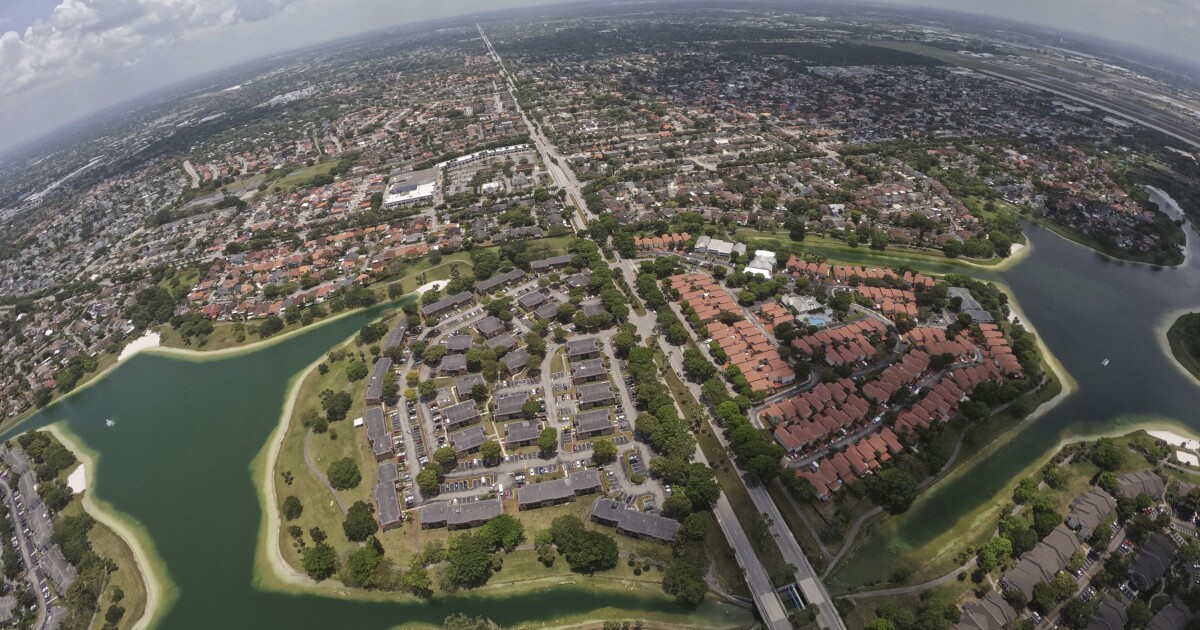
South Florida enters 2026 with renewed optimism as falling mortgage rates, improving buyer confidence, and a strong job market help stabilize a housing landscape that struggled in 2025—especially in the condo sector. While single-family homes remained resilient last year, condos faced price drops, rising fees, and hesitation tied to new safety regulations. With rates projected to fall to around 5.8% by year’s end, buying power is increasing, inventory may loosen, and activity is expected to pick up. Still, affordability challenges persist, Miami’s rental market remains intensely competitive, and the condo sector’s recovery will take time.


 The Mortgage Industry’s AI Transformation: Automation Reshapes Lending From Application to Approval Gallery