Cyprus Pushes Bold Housing Reforms as Leaders Target Faster Development and Greater Affordability
During the 31st General Assembly of the Cyprus Federation of Building Contractors Associations (OSEOK), President Nikos Christodoulides delivered a message that resonated well beyond Cyprus’ borders. His call was clear: the future of construction, licensing, and housing accessibility must become faster, smarter, and more affordable.
For professionals in real estate, construction, finance, and development—even here in the U.S.—the reforms introduced in Cyprus provide a compelling example of how governments are adapting to modern housing pressures. Streamlined permits, affordability initiatives, and responses to workforce shortages aren’t unique to Cyprus—they’re global challenges.
Fast-Track Development Licensing: A New Era
President Christodoulides outlined transformative changes to development licensing, including a fast‑track approval system for low‑ and medium‑risk projects, which make up nearly half of all applications. Under this new structure, single‑family and two‑family homes are slated for approval within 40 working days, while apartment buildings of up to 20 units should see decisions within 80 days.
Already, more than 1,400 home applications and around 260 apartment-building applications have been processed through this accelerated pathway—an encouraging signal for any nation grappling with permitting delays, including the U.S.
Addressing Delays and Unlocking Housing Supply
District-level permit delays have long posed challenges, but the President emphasized meaningful improvements. Initiatives such as new urban planning incentives and the Build to Rent scheme offer developers expanded building coefficients—up to 45%—in exchange for committing portions of their projects to affordable pricing.
This strategy is expected to generate approximately 1,500 new residential units within two years, including 250 affordable homes. This mirrors similar affordability pushes in major U.S. markets and highlights how global leaders are recalibrating the housing equation.
European Strategy and a Unified Housing Vision
On the European stage, the President announced that an updated EU-wide strategy for affordable housing is expected to roll out this December. With Cyprus preparing to assume the Presidency of the Council of the EU, the nation intends to help steer a cohesive housing policy across member states.
The Construction Sector Speaks
Industry leaders added their voices as well. OSEOK President Stelios Gavriel noted that construction contributes roughly 12% of Cyprus’ GDP and supports more than 43,000 jobs. Still, he underscored the need for long-term labor strategies, recruitment channels, and international workforce agreements.
ETEK President Constantinos Constanti further emphasized modernization, advocating for transparent and efficient processes in public projects. Meanwhile, the Cyprus Employers & Industrialists Federation recognized construction as the nation’s economic “steam engine.”
For professionals in Florida or across the U.S., these reforms offer not only global perspective but also practical insight. Staying informed on how other countries accelerate development can inspire new approaches within your own markets.
If you’re advancing your career, enhancing your credentials, or entering a new professional field, Cameron Academy remains committed to guiding you with high‑quality licensing education that evolves with today’s industry demands.
Getting licensed or staying ahead in your career can be a journey—but it doesn’t have to be overwhelming. Grab your favorite coffee or tea, take a moment to relax, and browse through our articles. Whether you’re just starting out or renewing your expertise, we’ve got tips, insights, and advice to keep you moving forward. Here’s to your success—one sip and one step at a time!
The title insurance industry is entering 2026 with a renewed focus on technology, operational efficiency, and stronger agent support after years of volatility. Leaders from major underwriters report rising transaction activity, improved affordability, and a surge in automation and fraud‑prevention tools—signs that smarter systems and better training will define the next wave of growth.
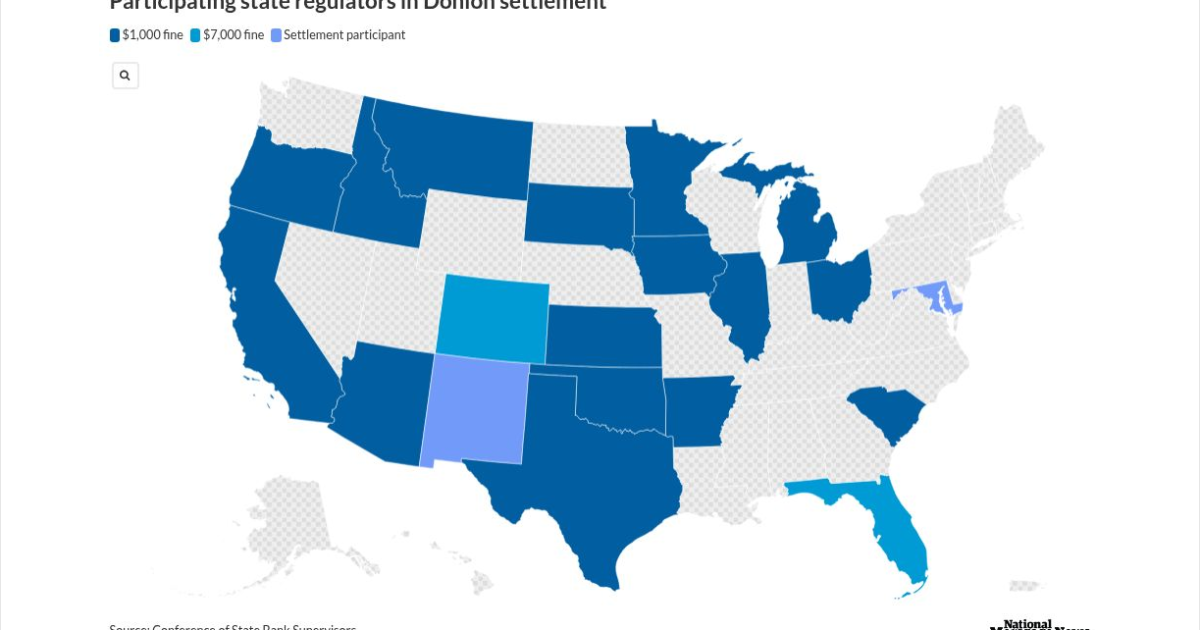
A multistate crackdown has sent shockwaves through the mortgage industry as Patrick Terrance Donlon, CEO of Trusted American Mortgage, accepted a sweeping settlement that bans him from working as a mortgage loan originator in 21 states—19 of them permanently. Regulators say Donlon had another individual complete his mandatory licensing and continuing‑education courses, a violation that triggered a coordinated investigation and a $31,000 penalty. The case underscores regulators’ growing intolerance for education fraud and serves as a sharp reminder to industry professionals: cutting corners on licensing can end careers.
Florida’s once‑booming housing market is cooling fast as rising insurance premiums, increasing foreclosures, and expanding flood zones push buyers to back out of deals and force sellers to cut prices. With insurance now adding thousands to annual housing costs, professionals across real estate, mortgage, and insurance are navigating a dramatically shifting landscape that’s redefining affordability in the Sunshine State.
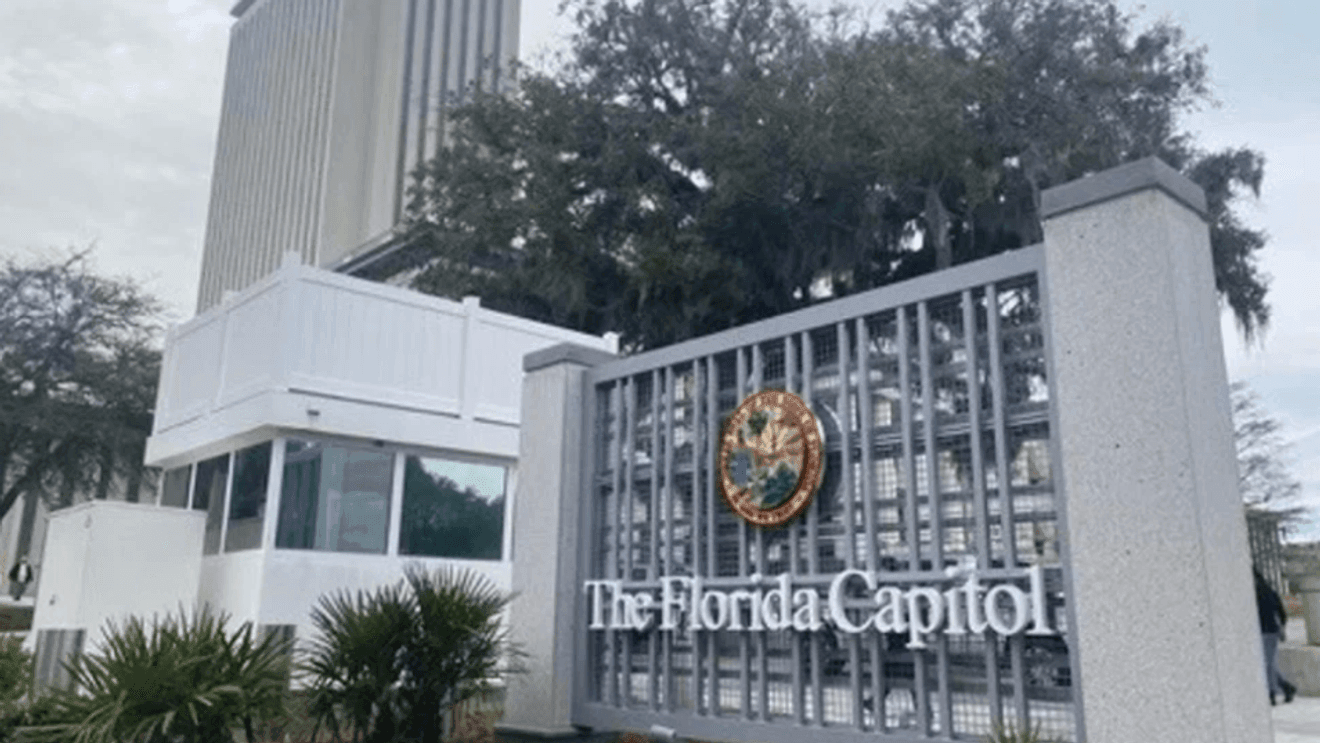
Florida begins 2026 with a wave of more than 250 new laws now in effect, impacting healthcare, insurance, real estate, and consumer protections statewide. From free breast cancer screenings for state employees to tighter pet insurance regulations, mandatory healthcare refund rules, enhanced animal‑cruelty penalties, and new condo‑management requirements, these updates carry major implications for professionals navigating Florida’s evolving regulatory landscape.
Florida’s barrier islands may offer postcard-perfect beaches and soaring real estate demand, but they’re also some of the most fragile and costly places to build in the United States. With 765,000 residents living on land that shifts, sinks, and takes the brunt of every major hurricane, the financial and insurance risks are accelerating fast. From billion‑dollar beach rebuilds to towers settling into the sand, today’s coastal development challenges are reshaping conversations around property values, disclosure, and long‑term resilience. For real estate professionals, understanding these risks isn’t just smart — it’s becoming essential.
A Cedar City development is turning heads with its fresh approach to affordability. The team behind Temple View Commons is delivering luxury‑inspired twin homes at prices below the local median by using a small, hands‑on staff and cutting traditional costs like realtor commissions. In a tight Utah housing market where inventory is scarce and prices remain high, their strategy offers a realistic path to homeownership without sacrificing high‑end finishes.


 Title Insurance Leaders Double Down on Tech and Efficiency to Drive 2026 Market Momentum Gallery