Cyprus Pushes Bold Housing Reforms as Leaders Target Faster Development and Greater Affordability
During the 31st General Assembly of the Cyprus Federation of Building Contractors Associations (OSEOK), President Nikos Christodoulides delivered a message that resonated well beyond Cyprus’ borders. His call was clear: the future of construction, licensing, and housing accessibility must become faster, smarter, and more affordable.
For professionals in real estate, construction, finance, and development—even here in the U.S.—the reforms introduced in Cyprus provide a compelling example of how governments are adapting to modern housing pressures. Streamlined permits, affordability initiatives, and responses to workforce shortages aren’t unique to Cyprus—they’re global challenges.
Fast-Track Development Licensing: A New Era
President Christodoulides outlined transformative changes to development licensing, including a fast‑track approval system for low‑ and medium‑risk projects, which make up nearly half of all applications. Under this new structure, single‑family and two‑family homes are slated for approval within 40 working days, while apartment buildings of up to 20 units should see decisions within 80 days.
Already, more than 1,400 home applications and around 260 apartment-building applications have been processed through this accelerated pathway—an encouraging signal for any nation grappling with permitting delays, including the U.S.
Addressing Delays and Unlocking Housing Supply
District-level permit delays have long posed challenges, but the President emphasized meaningful improvements. Initiatives such as new urban planning incentives and the Build to Rent scheme offer developers expanded building coefficients—up to 45%—in exchange for committing portions of their projects to affordable pricing.
This strategy is expected to generate approximately 1,500 new residential units within two years, including 250 affordable homes. This mirrors similar affordability pushes in major U.S. markets and highlights how global leaders are recalibrating the housing equation.
European Strategy and a Unified Housing Vision
On the European stage, the President announced that an updated EU-wide strategy for affordable housing is expected to roll out this December. With Cyprus preparing to assume the Presidency of the Council of the EU, the nation intends to help steer a cohesive housing policy across member states.
The Construction Sector Speaks
Industry leaders added their voices as well. OSEOK President Stelios Gavriel noted that construction contributes roughly 12% of Cyprus’ GDP and supports more than 43,000 jobs. Still, he underscored the need for long-term labor strategies, recruitment channels, and international workforce agreements.
ETEK President Constantinos Constanti further emphasized modernization, advocating for transparent and efficient processes in public projects. Meanwhile, the Cyprus Employers & Industrialists Federation recognized construction as the nation’s economic “steam engine.”
For professionals in Florida or across the U.S., these reforms offer not only global perspective but also practical insight. Staying informed on how other countries accelerate development can inspire new approaches within your own markets.
If you’re advancing your career, enhancing your credentials, or entering a new professional field, Cameron Academy remains committed to guiding you with high‑quality licensing education that evolves with today’s industry demands.
Getting licensed or staying ahead in your career can be a journey—but it doesn’t have to be overwhelming. Grab your favorite coffee or tea, take a moment to relax, and browse through our articles. Whether you’re just starting out or renewing your expertise, we’ve got tips, insights, and advice to keep you moving forward. Here’s to your success—one sip and one step at a time!
Local elections across major U.S. cities have kicked off a wave of policy changes that could reshape development costs, rental income, and investment strategies heading into 2026. From NYC’s aggressive tenant‑protection agenda to Chicago’s sustainability push, Miami’s political uncertainty, and Boston’s steady zoning overhaul, the post‑election environment is redefining how real estate professionals, investors, and lenders should prepare for the year ahead.
Insurance carriers are rapidly rolling out AI-related exclusions that strip coverage from claims involving AI tools, automated decision‑making, or generative platforms like ChatGPT and Midjourney. With firms like Berkley and Hamilton introducing sweeping “absolute” and generative‑AI‑specific exclusions, professionals in real estate, mortgage, insurance, and finance now face new liability gaps. As AI becomes unavoidable in everyday work, understanding these exclusions is essential for protecting your career and staying compliant in a fast‑changing risk environment.
Proptech startup Venn has raised a $52 million Series B to unify the entire renting lifecycle into one intelligent platform, replacing over a dozen traditional systems and serving more than half a million tenants. As AI‑powered tools like Venn rapidly reshape property operations, real estate professionals — especially in fast‑moving markets like Florida — will need stronger education and tech‑savvy skills to stay competitive.
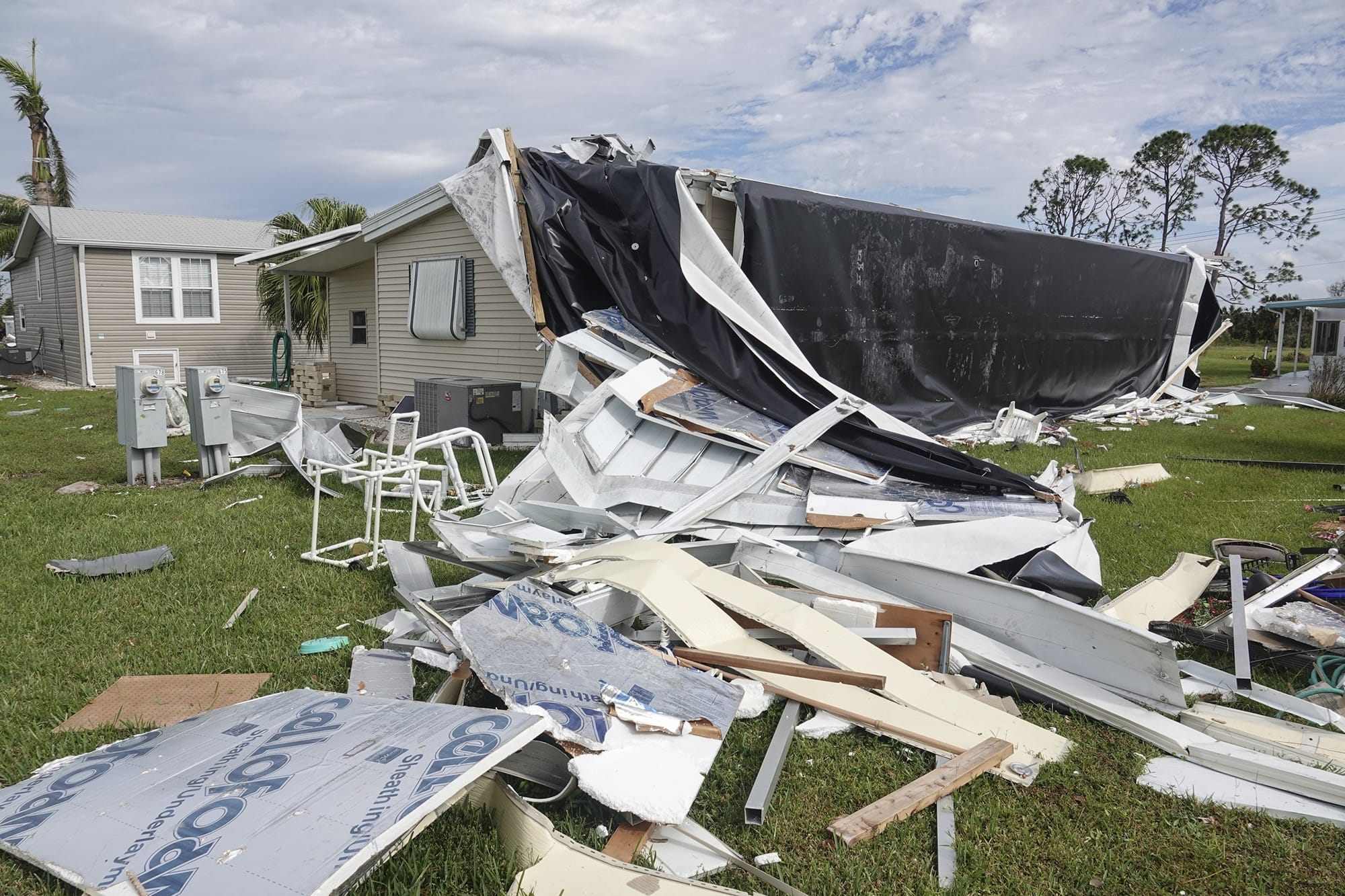
Florida’s Gulf Coast is undergoing a dramatic transformation as soaring insurance premiums, costly construction requirements, and the long shadow of Hurricane Ian force middle‑class families, workers, and longtime residents out of communities they once anchored. With premiums topping $5,700 a year — and many paying far more — Realtors warn of looming foreclosures, renters face steep increases, and entire neighborhoods are being rebuilt for wealthier newcomers. This mounting crisis is reshaping the state’s real estate landscape and leaving professionals scrambling to adapt.
Economic uncertainty, rapid tech advances and shifting population patterns are setting the stage for a pivotal year in commercial real estate. New findings from the Counselors of Real Estate, presented at NAR NXT, outline ten major forces reshaping strategy, investment and opportunity in 2026—from policy impacts and portfolio risk to AI adoption, capital flow changes, housing attainability and demographic shifts. This outlook offers clarity and caution for professionals across real estate, mortgage, finance and related fields.
Florida’s home insurance crisis is back in the spotlight as new reforms appear to be repeating decades‑old mistakes. Despite efforts to depopulate Citizens and attract private insurers, many of the companies taking over policies have ties to past insolvencies. Critics say weak oversight, generous ratings, and political influence are allowing unstable insurers to thrive while homeowners pay more for less protection. Experts warn that without transparent ratings, real accountability, and unified regulation, Florida’s insurance market will remain vulnerable—putting property values, lending, and the broader real estate industry at risk.