Cyprus Pushes Bold Housing Reforms as Leaders Target Faster Development and Greater Affordability
During the 31st General Assembly of the Cyprus Federation of Building Contractors Associations (OSEOK), President Nikos Christodoulides delivered a message that resonated well beyond Cyprus’ borders. His call was clear: the future of construction, licensing, and housing accessibility must become faster, smarter, and more affordable.
For professionals in real estate, construction, finance, and development—even here in the U.S.—the reforms introduced in Cyprus provide a compelling example of how governments are adapting to modern housing pressures. Streamlined permits, affordability initiatives, and responses to workforce shortages aren’t unique to Cyprus—they’re global challenges.
Fast-Track Development Licensing: A New Era
President Christodoulides outlined transformative changes to development licensing, including a fast‑track approval system for low‑ and medium‑risk projects, which make up nearly half of all applications. Under this new structure, single‑family and two‑family homes are slated for approval within 40 working days, while apartment buildings of up to 20 units should see decisions within 80 days.
Already, more than 1,400 home applications and around 260 apartment-building applications have been processed through this accelerated pathway—an encouraging signal for any nation grappling with permitting delays, including the U.S.
Addressing Delays and Unlocking Housing Supply
District-level permit delays have long posed challenges, but the President emphasized meaningful improvements. Initiatives such as new urban planning incentives and the Build to Rent scheme offer developers expanded building coefficients—up to 45%—in exchange for committing portions of their projects to affordable pricing.
This strategy is expected to generate approximately 1,500 new residential units within two years, including 250 affordable homes. This mirrors similar affordability pushes in major U.S. markets and highlights how global leaders are recalibrating the housing equation.
European Strategy and a Unified Housing Vision
On the European stage, the President announced that an updated EU-wide strategy for affordable housing is expected to roll out this December. With Cyprus preparing to assume the Presidency of the Council of the EU, the nation intends to help steer a cohesive housing policy across member states.
The Construction Sector Speaks
Industry leaders added their voices as well. OSEOK President Stelios Gavriel noted that construction contributes roughly 12% of Cyprus’ GDP and supports more than 43,000 jobs. Still, he underscored the need for long-term labor strategies, recruitment channels, and international workforce agreements.
ETEK President Constantinos Constanti further emphasized modernization, advocating for transparent and efficient processes in public projects. Meanwhile, the Cyprus Employers & Industrialists Federation recognized construction as the nation’s economic “steam engine.”
For professionals in Florida or across the U.S., these reforms offer not only global perspective but also practical insight. Staying informed on how other countries accelerate development can inspire new approaches within your own markets.
If you’re advancing your career, enhancing your credentials, or entering a new professional field, Cameron Academy remains committed to guiding you with high‑quality licensing education that evolves with today’s industry demands.
Getting licensed or staying ahead in your career can be a journey—but it doesn’t have to be overwhelming. Grab your favorite coffee or tea, take a moment to relax, and browse through our articles. Whether you’re just starting out or renewing your expertise, we’ve got tips, insights, and advice to keep you moving forward. Here’s to your success—one sip and one step at a time!
A federal judge has denied class‑certification in the high‑stakes Batton commission lawsuit, delivering a temporary win for NAR and major brokerages while leaving the door open for plaintiffs to try again. With as much as $3.6 billion in potential damages on the line and nearly 80% of the proposed class now disqualified due to conflicts with earlier settlements, the case stands at a pivotal moment. Real estate professionals nationwide — especially in Florida — should watch closely, as the ruling could shape the future of buyer‑agent compensation.
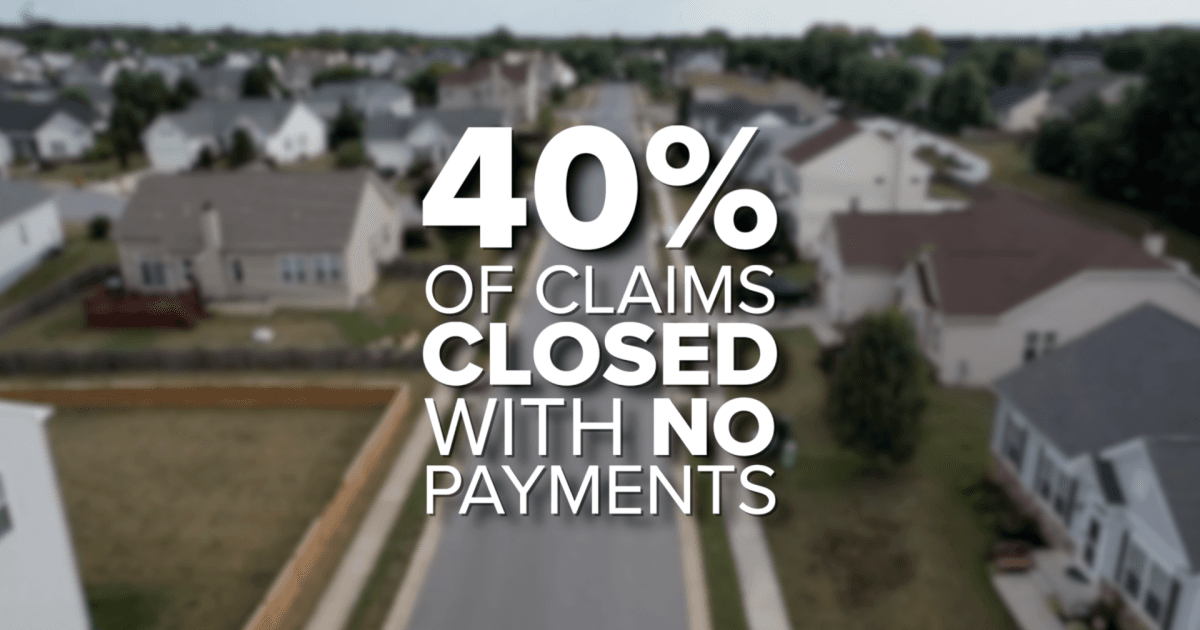
Florida homeowners are paying nearly double the national average for insurance, with premiums now reaching $5,838 a year and denied claims topping 40 percent. Residents report tripled rates, underpaid claims, and mounting financial strain, pushing lawmakers in Tallahassee to propose caps on rate hikes, tax breaks for storm‑proof upgrades, and tighter oversight of insurers. These developments are reshaping real estate and insurance conversations across the state as professionals brace for major industry shifts.
Berkshire County closed Q3 2025 with strong momentum as sales, dollar volume, and buyer competition all climbed year‑over‑year. Inventory showed slight improvement but remains far below demand, keeping the market tilted toward sellers. Single‑family homes and condos led the surge, while multifamily, land, and commercial sectors showed mixed performance. The region continues to stand out as one of New England’s most resilient real estate markets heading into 2026.
Florida homeowners now face the highest insurance burdens in the nation, with average premiums topping $5,800 per year—roughly $3,000 above the national average. As rates triple for some residents, more Floridians are skipping coverage altogether, while denied claims and slow payouts add to the frustration. With over 40 percent of claims closing with no payment and lawmakers battling over reform in Tallahassee, the crisis is reshaping budgets, homebuying decisions, and the real estate industry statewide.
Global capital is surging back into real estate—and this time, investors want more control. Colliers’ 2026 Global Investor Outlook reveals a major shift toward direct investments, joint ventures, and hands‑on strategies as money moves across North America, Europe, and the booming Asia‑Pacific markets. Data centers are now the top‑funded asset class, offices are staging a comeback, and adaptive reuse is reshaping cities worldwide. For real estate and finance professionals, the message is clear: opportunity is accelerating, and those with the right education and licensing will be at the center of the action.
The Fed’s recent rate cuts should have offered relief to commercial real estate—but long-term borrowing costs haven’t budged. While short‑term rates are falling, stubborn long‑term yields, broken deal math, and a trillion‑dollar refinancing wave are keeping the market frozen. For investors and professionals across Florida and the nation, understanding this disconnect is key to navigating the opportunities and risks emerging in today’s shifting CRE landscape.