Dallas‑Fort Worth’s 2025 Boom: Real Estate Resilience, Workforce Shifts, and the Metroplex That Won’t Slow Down
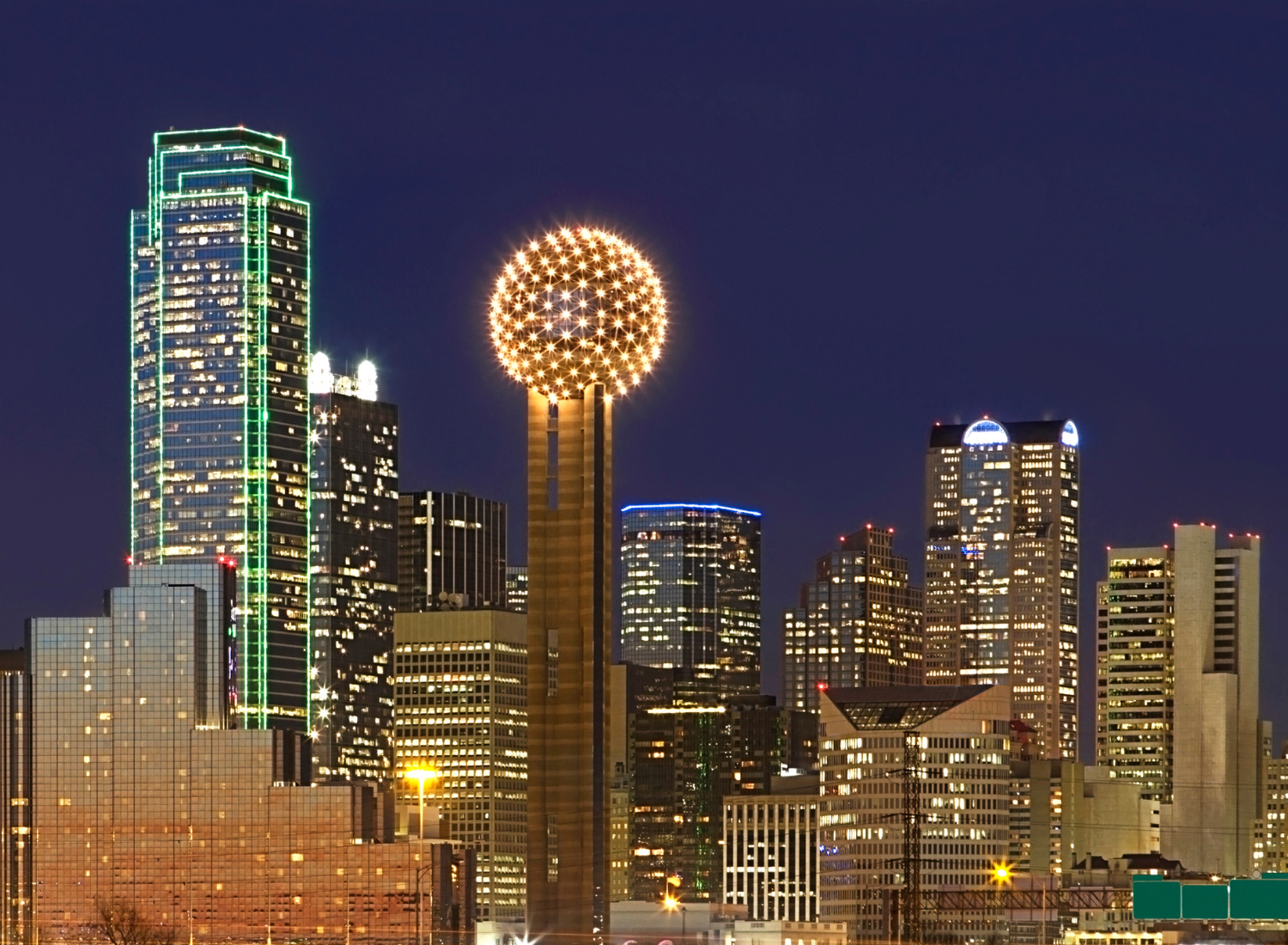
Dallas‑Fort Worth isn’t just growing—it’s leading the nation. As 2025 wraps up, the metroplex remains the country’s top performer in commercial investment, corporate relocations, and large‑scale development. With affordability, infrastructure, and future‑forward planning, DFW is showing the nation how sustainable growth is done.
A Metroplex on the Move
The Urban Land Institute once again crowned Dallas‑Fort Worth as the No. 1 real estate market in America. Talent inflow, business migration, and strong development patterns continue to fuel the region’s rapid ascent.
“Dallas is on track to become a more significant city each year.” — Bill Cawley, CEO, Cawley Partners
Even with national economic uncertainty, DFW’s attractiveness has remained unshaken. Workers, investors, and corporations continue choosing Dallas‑Fort Worth for its affordability and open‑market dynamism.
Industrial Powerhouse: The Engine of DFW Real Estate
Few markets in the U.S. compare to DFW’s industrial surge. Quarter after quarter, the region sees powerful absorption numbers—3.2 million square feet in Q3 2025 alone.
With over 21 million square feet under construction, the metroplex is strengthening its identity as a logistics and production super‑hub.
“Data centers, EV battery plants, and semiconductors are expanding at an exponential rate in our region.” — Nick Barker, Turner Construction
North Texas has become a national magnet for hyperscale data centers—fueling America’s next generation of tech infrastructure.
Office Market Finds Its Footing
The office sector has battled turbulence, but momentum is returning. Class A product saw over 1 million square feet of positive absorption and a notable increase in asking rents.
Savills reported nearly 4 million square feet of leasing activity in Q3—well above trend lines.
“Dallas is set to become the new home of the Texas Stock Exchange.” — Matt Leyman, The Beck Group
DFW’s rising reputation as a financial hub is reshaping its corporate landscape, attracting firms seeking modern infrastructure and long‑term opportunity.
Infrastructure Investment: Building the 2030s Today
Major investments are sculpting DFW’s future. The DART Silver Line added 26 miles of brand‑new regional rail, connecting key employment hubs with DFW Airport.
Dallas also broke ground on the massive $3.5 billion rebuild of the Kay Bailey Hutchison Convention Center—one of the largest civic projects in Texas history.
“With the growing number of companies and homeowners coming into the area, the need for additional infrastructure continues to grow.” — Aaron Rader, Kimley‑Horn
Workforce Pressure: The Hidden Challenge Behind the Boom
Growth has one major bottleneck: skilled talent. Construction, real estate, and development firms are all pushing through labor shortages as seasoned workers retire.
“People will continue to be the biggest constraint for contractors in general.” — Will Hodges, Cadence McShane
Companies are now expanding partnerships with schools and early‑career technical programs.
“We’ve started working with early collegiate high schools and P‑TECH programs.” — Thomas Crowther, The Crowther Group
As America leans harder into licensed and certified professions, institutions like Cameron Academy step in—preparing aspiring real estate agents, analysts, contractors, and specialists to meet the demand in booming markets like DFW.
Looking Ahead: What Dallas‑Fort Worth Signals for 2026
With industrial dominance, recovering office momentum, massive infrastructure builds, and strong business migration, DFW is poised to remain a top national force throughout 2026 and beyond.
For professionals across real estate, construction, logistics, finance, or investment, Dallas‑Fort Worth represents not just a market to watch—but a market to join.
Getting licensed or staying ahead in your career can be a journey—but it doesn’t have to be overwhelming. Grab your favorite coffee or tea, take a moment to relax, and browse through our articles. Whether you’re just starting out or renewing your expertise, we’ve got tips, insights, and advice to keep you moving forward. Here’s to your success—one sip and one step at a time!
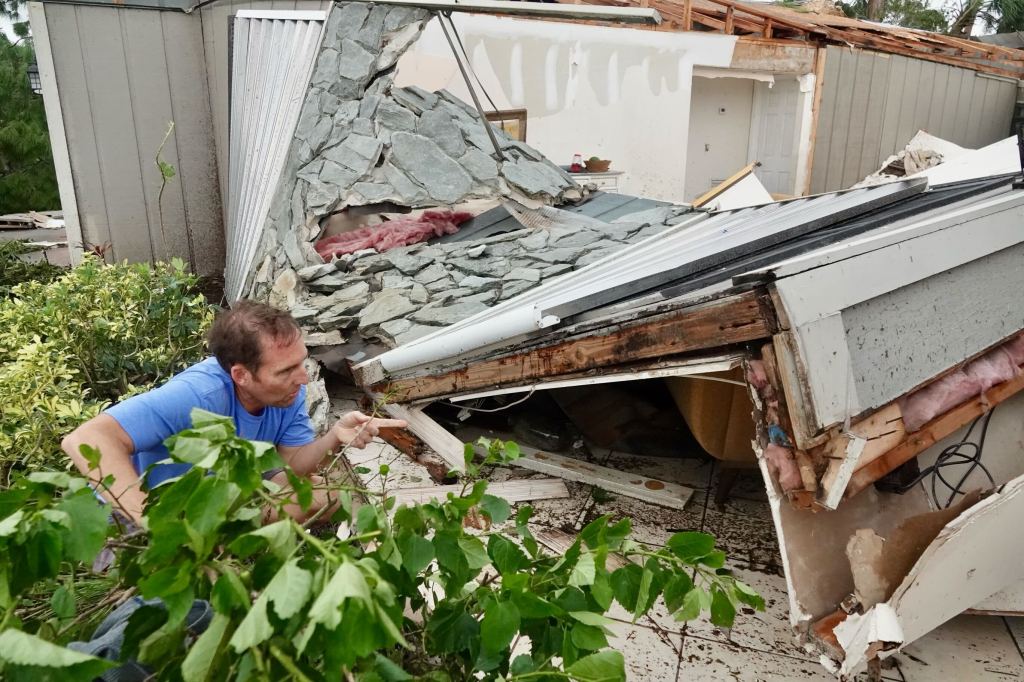
Florida now leads the nation in property insurance costs, with many homeowners paying more than $10,000 a year for shrinking coverage and higher deductibles. Despite nearly half of hurricane‑related claims ending with no payout and appeals failing over 90% of the time, state leaders say reforms “need more time to work.” With key relief bills stalled and real estate professionals feeling the shockwaves, experts warn that legislative inaction is deepening a crisis that threatens homeownership and the state’s economic stability.
Banks are finally calling in billions tied to troubled commercial real estate loans, pushing delinquency rates to historic highs and ending years of “extend and pretend.” With more than 12% of office loans now delinquent and $875 billion in commercial debt maturing in 2026, regional banks and property owners are facing mounting pressure. As valuations drop and refinancing becomes harder, experts warn that tighter lending standards and broader economic ripple effects are on the horizon—making strategic preparation essential for today’s real estate and finance professionals.
Florida policyholders are getting rare good news: the Florida Insurance Guaranty Association is ending its 1% emergency insurance assessment on October 1—two years ahead of schedule. The decision follows a calmer hurricane season, fewer insurer insolvencies, and growing market stability. The early termination is expected to save Floridians up to $650 million, with the average homeowner seeing about $31 in annual savings. This marks another milestone in the state’s insurance market recovery after major legislative reforms in 2022 and 2023.
The real estate industry has officially moved past its AI honeymoon phase. What began as a fun, optional tool has quietly become the backbone of how agents create content, communicate with clients, and market properties. But with that shift comes rising concern about authenticity, legal risks, and whether consumers will start questioning what they’re really paying agents for. As AI blends into everything from listing descriptions to client advice, professionals now face a new challenge: proving the human value behind the technology.
After years of volatility, industry analysts say commercial real estate may finally be on the verge of a major comeback. Investment activity is rising, leasing demand is strengthening, and key cities like Manhattan are leading a broader national recovery. With vacancy rates expected to drop and high‑quality buildings outperforming the rest, 2026 is shaping up to be the turning point investors and professionals have been waiting for.
AM Best warns that the property and casualty insurance market is heading into a more challenging 2026 as premium growth slows, inflation drives up claims costs, and combined ratios rise. Despite a strong 2025, moderating rates, higher repair and construction expenses, and ongoing reserve deficiencies are pressuring profitability. While commercial lines and personal lines both feel the strain, the E&S market continues to expand as traditional carriers pull back. This shifting landscape highlights the need for insurance professionals to stay sharp, informed, and adaptable.