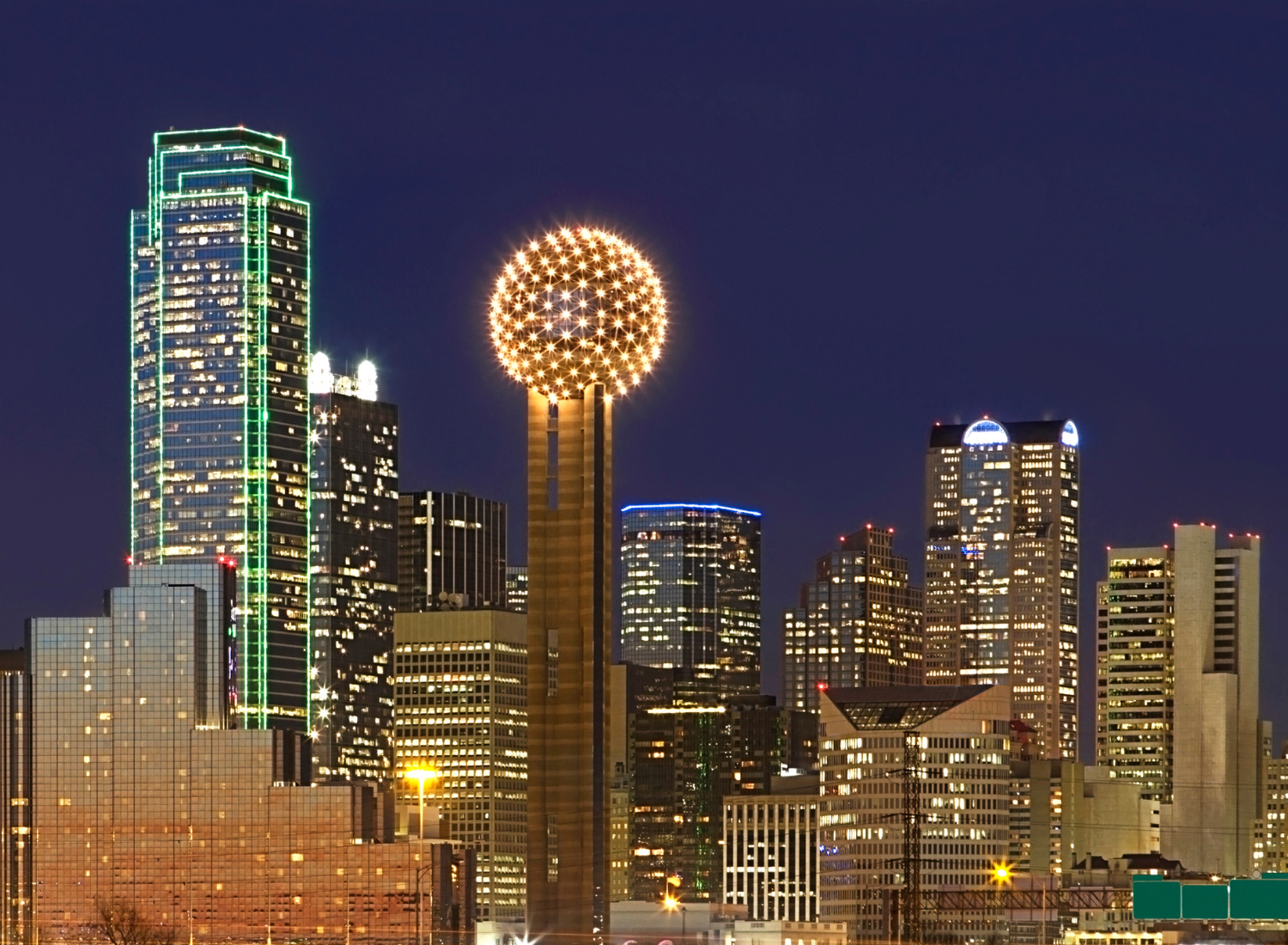
Dallas‑Fort Worth’s 2025 Boom: Real Estate Resilience, Workforce Shifts, and the Metroplex That Won’t Slow Down
Dallas‑Fort Worth isn’t just growing—it’s leading the nation. As 2025 wraps up, the metroplex remains the country’s top performer in commercial investment, corporate relocations, and large‑scale development. With affordability, infrastructure, and future‑forward planning, DFW is showing the nation how sustainable growth is done.
A Metroplex on the Move
The Urban Land Institute once again crowned Dallas‑Fort Worth as the No. 1 real estate market in America. Talent inflow, business migration, and strong development patterns continue to fuel the region’s rapid ascent.
“Dallas is on track to become a more significant city each year.” — Bill Cawley, CEO, Cawley Partners
Even with national economic uncertainty, DFW’s attractiveness has remained unshaken. Workers, investors, and corporations continue choosing Dallas‑Fort Worth for its affordability and open‑market dynamism.
Industrial Powerhouse: The Engine of DFW Real Estate
Few markets in the U.S. compare to DFW’s industrial surge. Quarter after quarter, the region sees powerful absorption numbers—3.2 million square feet in Q3 2025 alone.
With over 21 million square feet under construction, the metroplex is strengthening its identity as a logistics and production super‑hub.
“Data centers, EV battery plants, and semiconductors are expanding at an exponential rate in our region.” — Nick Barker, Turner Construction
North Texas has become a national magnet for hyperscale data centers—fueling America’s next generation of tech infrastructure.
Office Market Finds Its Footing
The office sector has battled turbulence, but momentum is returning. Class A product saw over 1 million square feet of positive absorption and a notable increase in asking rents.
Savills reported nearly 4 million square feet of leasing activity in Q3—well above trend lines.
“Dallas is set to become the new home of the Texas Stock Exchange.” — Matt Leyman, The Beck Group
DFW’s rising reputation as a financial hub is reshaping its corporate landscape, attracting firms seeking modern infrastructure and long‑term opportunity.
Infrastructure Investment: Building the 2030s Today
Major investments are sculpting DFW’s future. The DART Silver Line added 26 miles of brand‑new regional rail, connecting key employment hubs with DFW Airport.
Dallas also broke ground on the massive $3.5 billion rebuild of the Kay Bailey Hutchison Convention Center—one of the largest civic projects in Texas history.
“With the growing number of companies and homeowners coming into the area, the need for additional infrastructure continues to grow.” — Aaron Rader, Kimley‑Horn
Workforce Pressure: The Hidden Challenge Behind the Boom
Growth has one major bottleneck: skilled talent. Construction, real estate, and development firms are all pushing through labor shortages as seasoned workers retire.
“People will continue to be the biggest constraint for contractors in general.” — Will Hodges, Cadence McShane
Companies are now expanding partnerships with schools and early‑career technical programs.
“We’ve started working with early collegiate high schools and P‑TECH programs.” — Thomas Crowther, The Crowther Group
As America leans harder into licensed and certified professions, institutions like Cameron Academy step in—preparing aspiring real estate agents, analysts, contractors, and specialists to meet the demand in booming markets like DFW.
Looking Ahead: What Dallas‑Fort Worth Signals for 2026
With industrial dominance, recovering office momentum, massive infrastructure builds, and strong business migration, DFW is poised to remain a top national force throughout 2026 and beyond.
For professionals across real estate, construction, logistics, finance, or investment, Dallas‑Fort Worth represents not just a market to watch—but a market to join.
Getting licensed or staying ahead in your career can be a journey—but it doesn’t have to be overwhelming. Grab your favorite coffee or tea, take a moment to relax, and browse through our articles. Whether you’re just starting out or renewing your expertise, we’ve got tips, insights, and advice to keep you moving forward. Here’s to your success—one sip and one step at a time!
A new national survey shows that while most real estate agents now use AI for everyday tasks like writing listing descriptions and social posts, many remain uneasy trusting the technology with higher‑stakes responsibilities. Agents report major time savings and better communication thanks to AI, but lingering concerns about accuracy, compliance and data interpretation reveal a growing skills gap. The industry’s next big need: stronger AI tools, clearer standards and hands‑on training — a gap education providers like Cameron Academy are poised to fill.
Florida homeowners and real estate professionals are being crushed by skyrocketing insurance premiums, shrinking coverage, and a claims system stacked against consumers. While residents face the highest insurance costs in the nation, meaningful reform bills are being ignored in Tallahassee, leaving families, businesses, and the entire real estate market exposed.
Artificial intelligence is exposing the real estate industry's biggest weakness: fragmented, inconsistent data scattered across disconnected systems. Unlike finance and e‑commerce, real estate never built a unified digital foundation—and now AI can’t function without one. As companies scramble to standardize information, organizations like OSCRE are pushing shared data models that could transform everything from leasing to property management. The result may be the industry’s most collaborative era yet, where clean, interoperable data becomes the key to unlocking AI’s full power.
Off‑market networks, rising small‑investor buying, regulatory shifts, and intensifying portal competition are reshaping how homes are found and sold. With inventory tight and traditional listings declining, agents who understand investor behavior, private deal flow, and evolving rules are gaining a major edge in today’s fast‑changing housing landscape.
Despite state leaders celebrating stabilization, Florida homeowners continue to face some of the highest insurance premiums in the country. Local experts say rates have stopped skyrocketing but have settled at levels that feel permanently elevated—especially for older or coastal homes. With insurers still avoiding high‑risk areas and demanding costly home upgrades, many Floridians are questioning whether this expensive reality is here to stay.
California is pushing a landmark proposal that would force insurers to offer coverage to homeowners who meet state‑approved wildfire‑mitigation standards. The new SB 1076, known as the Insurance Coverage for Fire‑Safe Homes Act, aims to stabilize the state’s distressed insurance market by guaranteeing coverage for fire‑hardened homes starting in 2028—backed by strict penalties for insurers who refuse. As supporters rally and critics warn of market strain, the bill could reshape real estate, insurance, and lending practices across wildfire‑prone regions.