December Mortgage Outlook: Why Rates Might Have a Mind of Their Own

Stressed woman working on laptop during christmas season

As people settle in with hot chocolate and sparkling holiday lights, the financial world is preparing for something a bit less cozy: rising mortgage rates. If November’s unpredictable swings set the stage, December appears ready to follow — and possibly climb a little higher. The market may be festive, but it’s not exactly predictable.

Source inspiration: Explore full charts, financial breakdowns, and extended analysis at NerdWallet’s report: https://www.nerdwallet.com/mortgages/news/mortgage-outlook-december-2025

The Fed’s December Meeting: All Eyes on the Talking Heads

Analysts hoped that the Federal Reserve’s December 9–10 meeting would bring clarity — maybe even a rate cut. But here’s the twist: any early‑month dips influenced by the meeting won’t last long. Once lenders digest the Fed’s decision, their focus shifts toward 2026, where uncertainty is already brewing.

The challenge? Fed members aren’t harmonizing. Some are focused on persistent inflation, others on a cooling labor market. This mixed messaging injects hesitation — and tension — into lender decisions.

Fun fact: In November, mortgage rates bounced depending on which Fed official spoke — sometimes swinging 24 basis points in just 24 hours.

This inconsistency makes forecasting feel a lot like meteorology: you check the radar, you plan your day, and then the whole thing shifts before you step outside.

The Data Delays That Could Push Rates Higher

This month adds an extra wrinkle: two major economic reports are delayed — the third‑quarter GDP report and the November Personal Consumption and Expenditures Index. Without those, skeptical Fed members may become even more vocal.

And when they talk, markets listen — often pushing mortgage rates upward.

What Other Forecasters Expect

The Mortgage Bankers Association and Fannie Mae both anticipate the average 30‑year mortgage rate to sit around 6.3% for the last quarter of 2025. Considering rates averaged 6.24% through November, this signals one thing: December may see a slight uptick to fit projections.

A Look Back at November

Experts predicted rising rates — and they were right. But the journey wasn’t smooth. Freddie Mac data shows a gradual upward crawl, with 30‑year mortgages ticking from 6.17% to 6.23% by month’s end.

With so many variables — delayed data, Fed debates, shifting economic winds — December is poised to mirror November, but with a bit more upward pressure.

What This Means for Real Estate and Mortgage Professionals

Volatile markets can be stressful, but they also create opportunity for those who are informed and proactive. At Cameron Academy, we’ve watched thousands of Florida professionals — from real estate agents to mortgage loan originators — turn uncertainty into strategic advantage through strong education.

If you’re planning to enter real estate, mortgage lending, or finance in 2026 — or you want to strengthen your expertise — education becomes your competitive edge. Understanding rate movements allows you to guide clients with confidence and clarity.

Stay curious, stay informed, and stay ahead — the market always rewards the prepared.

More Articles

Getting licensed or staying ahead in your career can be a journey—but it doesn’t have to be overwhelming. Grab your favorite coffee or tea, take a moment to relax, and browse through our articles. Whether you’re just starting out or renewing your expertise, we’ve got tips, insights, and advice to keep you moving forward. Here’s to your success—one sip and one step at a time!

Florida Homeowners Finally Get Relief as Gov. DeSantis Announces Significant Insurance Premium Cuts

Florida homeowners — especially in hard‑hit South Florida — are set to see rare and substantial reductions in their property insurance premiums. Gov. Ron DeSantis announced an average statewide Citizens Insurance decrease of 8.7%, with even larger savings of up to 14% in counties like Miami-Dade, Broward, and Palm Beach. State officials credit recent legal and regulatory reforms for stabilizing the market, attracting new insurers, and delivering the first meaningful rate relief Floridians have seen in years.

Tampa’s Real Estate Market Enters a Smarter, More Selective Growth Phase

Tampa’s commercial real estate market isn’t slowing—it’s maturing. With strong population growth, rising office demand, a normalized industrial sector, resurgent retail, and an emerging health‑care real estate boom, investors are shifting from speed to strategy. Tighter underwriting, cautious capital and increased due‑diligence are shaping a more disciplined market, creating new opportunities for informed professionals.

Florida Slashes Home Insurance Rates: Biggest Drop in a Decade Sends Shockwaves Through the Market

Florida homeowners are finally seeing relief as Citizens Property Insurance announces a major 8.7% average rate decrease—far larger than originally proposed. Driven by legislative reforms, fewer lawsuits, and a calm hurricane season, the state’s once‑unstable insurance market is showing real signs of recovery. But with reduced coverage limits and shifting legal protections, experts warn that lower premiums may come with hidden trade‑offs.

Florida Homeowners Finally Get Insurance Relief After Years of Soaring Premiums

After a decade of rising premiums and retreating carriers, Florida homeowners are finally seeing long‑awaited relief. Dozens of insurers have filed for rate decreases—some as high as 11%—thanks to legislative reforms and a stabilizing market. Early approvals are already hitting counties across the state, and experts say the momentum could boost buyer confidence, affordability, and competition throughout Florida’s real estate and insurance sectors.

Self‑Storage Investing in 2026: A Market Thaw Opens the Door to Big Opportunities

After years of slowed activity caused by rising interest rates, the self‑storage industry is heating up again. New data from Marcus & Millichap shows a fresh market cycle emerging, driven by renewed buyer confidence, recalibrated pricing, and stronger lender participation. Acquisitions are rebounding, development is resetting in a healthier direction, and financing conditions are improving—creating one of the most promising investment landscapes the sector has seen in years.

Brookline’s Real Flood Risk: What FEMA’s New Maps Reveal—and What They Miss

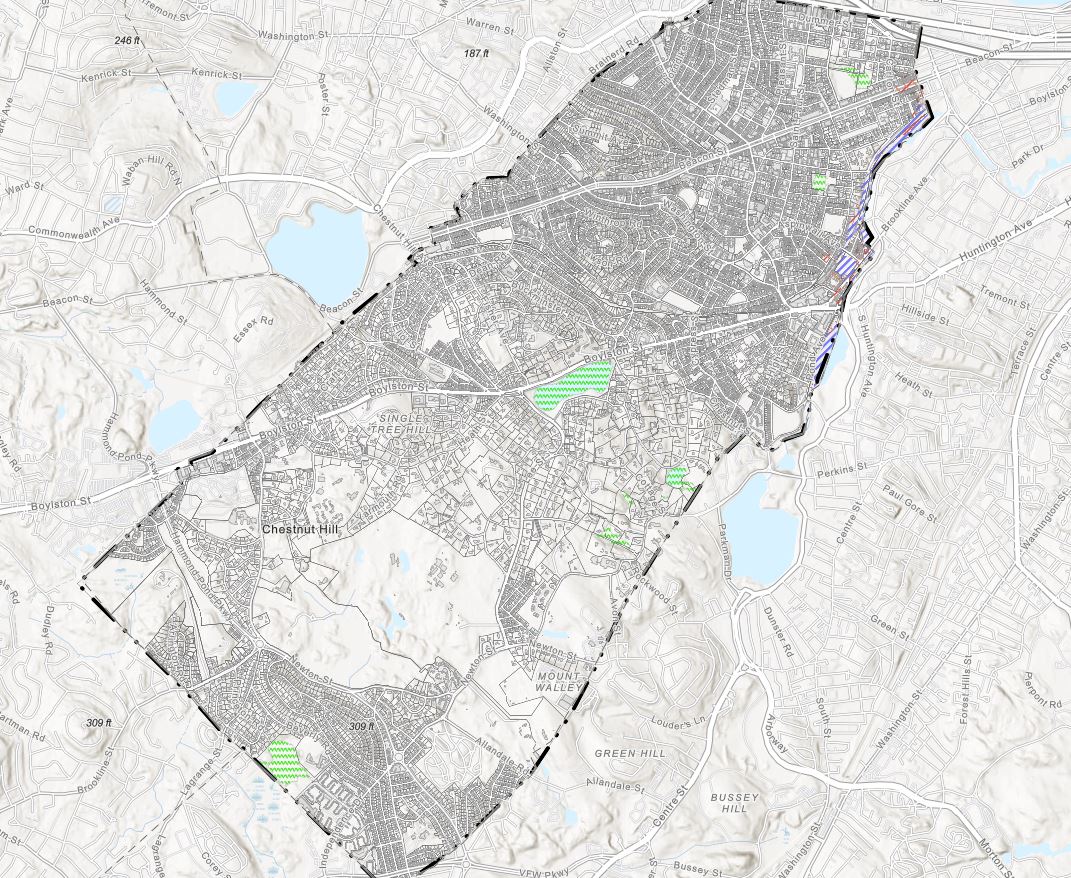
Brookline’s newly updated FEMA flood maps identify 97 high‑risk parcels, but local experts warn the true threat is far greater. While FEMA highlights river‑based flooding around Leverett Pond and the Muddy River, alternative models show more than 1,300 Brookline properties at risk within 30 years. Hidden vulnerabilities along major corridors like Beacon Street, rising rainfall intensity, aging infrastructure, and climate‑driven storm patterns suggest that many “low‑risk” areas may be anything but safe.