December Mortgage Outlook: Why Rates Might Have a Mind of Their Own

Stressed woman working on laptop during christmas season

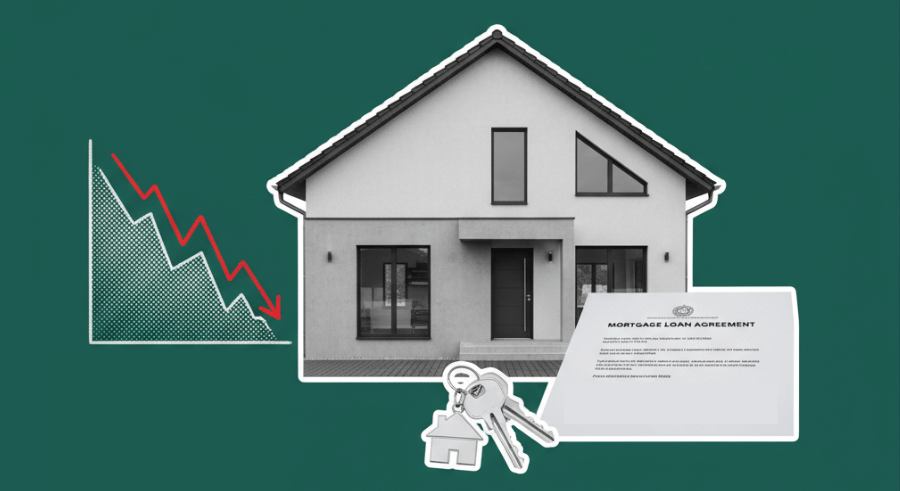
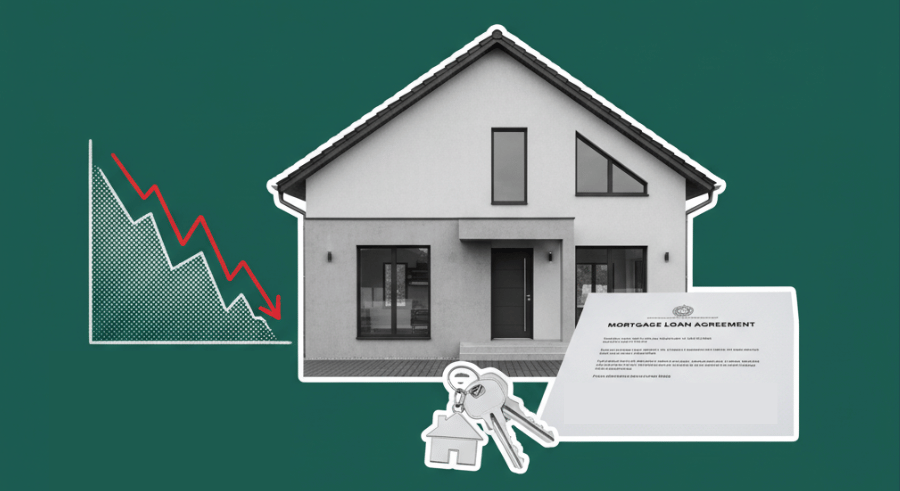
As people settle in with hot chocolate and sparkling holiday lights, the financial world is preparing for something a bit less cozy: rising mortgage rates. If November’s unpredictable swings set the stage, December appears ready to follow — and possibly climb a little higher. The market may be festive, but it’s not exactly predictable.

Source inspiration: Explore full charts, financial breakdowns, and extended analysis at NerdWallet’s report: https://www.nerdwallet.com/mortgages/news/mortgage-outlook-december-2025

The Fed’s December Meeting: All Eyes on the Talking Heads

Analysts hoped that the Federal Reserve’s December 9–10 meeting would bring clarity — maybe even a rate cut. But here’s the twist: any early‑month dips influenced by the meeting won’t last long. Once lenders digest the Fed’s decision, their focus shifts toward 2026, where uncertainty is already brewing.

The challenge? Fed members aren’t harmonizing. Some are focused on persistent inflation, others on a cooling labor market. This mixed messaging injects hesitation — and tension — into lender decisions.

Fun fact: In November, mortgage rates bounced depending on which Fed official spoke — sometimes swinging 24 basis points in just 24 hours.

This inconsistency makes forecasting feel a lot like meteorology: you check the radar, you plan your day, and then the whole thing shifts before you step outside.

The Data Delays That Could Push Rates Higher

This month adds an extra wrinkle: two major economic reports are delayed — the third‑quarter GDP report and the November Personal Consumption and Expenditures Index. Without those, skeptical Fed members may become even more vocal.

And when they talk, markets listen — often pushing mortgage rates upward.

What Other Forecasters Expect

The Mortgage Bankers Association and Fannie Mae both anticipate the average 30‑year mortgage rate to sit around 6.3% for the last quarter of 2025. Considering rates averaged 6.24% through November, this signals one thing: December may see a slight uptick to fit projections.

A Look Back at November

Experts predicted rising rates — and they were right. But the journey wasn’t smooth. Freddie Mac data shows a gradual upward crawl, with 30‑year mortgages ticking from 6.17% to 6.23% by month’s end.

With so many variables — delayed data, Fed debates, shifting economic winds — December is poised to mirror November, but with a bit more upward pressure.

What This Means for Real Estate and Mortgage Professionals

Volatile markets can be stressful, but they also create opportunity for those who are informed and proactive. At Cameron Academy, we’ve watched thousands of Florida professionals — from real estate agents to mortgage loan originators — turn uncertainty into strategic advantage through strong education.

If you’re planning to enter real estate, mortgage lending, or finance in 2026 — or you want to strengthen your expertise — education becomes your competitive edge. Understanding rate movements allows you to guide clients with confidence and clarity.

Stay curious, stay informed, and stay ahead — the market always rewards the prepared.

More Articles

Getting licensed or staying ahead in your career can be a journey—but it doesn’t have to be overwhelming. Grab your favorite coffee or tea, take a moment to relax, and browse through our articles. Whether you’re just starting out or renewing your expertise, we’ve got tips, insights, and advice to keep you moving forward. Here’s to your success—one sip and one step at a time!

The Tokenization Tsunami: Why Digital Assets Are Reshaping Wall Street, Washington, and Your Professional Future

Tokenization has surged from crypto niche to global financial disruptor as institutions like Robinhood, BlackRock, and Coinbase race to digitize real-world assets. With pro‑crypto political momentum, shifting regulations, and private companies resisting newfound transparency, this emerging wave is transforming how investments are bought, sold, and accessed. For professionals in real estate, finance, lending, and insurance, this shift signals massive opportunity—and equally massive responsibility—as the next era of asset ownership takes shape.

Florida’s 2026 Insurance Shake‑Up: Citizens Approves Major Statewide Rate Cuts

Florida homeowners are finally getting relief as Citizens Property Insurance announces an average 8.7% statewide rate reduction for 2026, with South Florida seeing cuts as high as 14%. Driven by recent tort reforms and a stabilizing market, these decreases signal a major turnaround for an industry once on the brink of collapse — and a potential boost for real estate activity across the state.

The 2026 Housing Market Finally Returns to “Normal” as Inventory Stabilizes and Demand Takes the Lead

After years of roller‑coaster chaos, the 2026 U.S. housing market is easing into something professionals haven’t seen in a long time: balance. Inventory growth has slowed to just 10% year over year—down sharply from 2025’s surge—signaling the end of the pandemic‑era scarcity and the rise of a market driven by real‑time demand and interest rates. With seasonal patterns returning, negotiations replacing bidding wars and rates drifting toward 6%, agents, lenders and investors are finally navigating conditions that look… normal.

Gen Z Is Skipping Wall Street Advice and Turning to #RichTok for Financial Independence

More than half of Gen Z investors say they entered the stock market because of social media—not textbooks, not advisors. Viral creators, AI tools, and crypto trends are reshaping how young adults learn about money, invest early, and chase financial freedom. This Fortune‑featured shift highlights a generation determined to build wealth fast, trust digital voices over traditional institutions, and redefine financial education for the future.

The U.S. Housing Market Is Finally Normalizing in 2026 — What Today’s Professionals Need to Know

After years of extremes, the U.S. housing market is shifting into a more balanced, predictable phase. Inventory growth has cooled from last year’s surge, seasonality is returning, and pricing is becoming increasingly rate‑sensitive. With mortgage rates hovering near 6% and policy changes reshaping investor participation, 2026 is emerging as a negotiation‑driven market where skilled agents, lenders, builders, and investors have a renewed advantage. This new landscape rewards strategy, education, and real‑time demand awareness—making it an ideal moment for professionals to refine their approach and capitalize on the market’s normalization.

Mortgage Rates Could Drop Faster Than Expected in 2026, Thanks to New MBS Policy

A sudden policy shift at the start of 2026 is already pushing mortgage rates lower, dipping them under 6% for the first time in months. New projections suggest the government-sponsored enterprises’ $200 billion in mortgage‑backed securities purchases could accelerate rate declines throughout the year, boosting affordability, home sales, and overall market activity for buyers, sellers, and real estate professionals alike.