Digital Health Technology: A New Frontier in Medical Education

In a world where Digital Health Technology (DHT) is rapidly transforming the landscape of healthcare, a recent study published by BMC Medical Education has shed light on a crucial gap in medical education. As hospitals and clinics increasingly adopt digital solutions, the question arises: Are medical schools preparing future physicians to harness the full potential of these technologies?
The study, titled “A landscape analysis of digital health technology in medical schools: preparing students for the future of health care,” conducted a comprehensive review of top-ranked medical schools worldwide. The findings, however, are rather surprising. Despite the growing importance of DHT, a mere handful of institutions have integrated these competencies into their curricula. The research highlights an untapped potential in medical education, urging a shift towards embracing digital innovations.

The Digital Health Revolution

The rise of wearables and telemedicine, accelerated by the COVID-19 pandemic, has placed DHT at the forefront of healthcare innovation. According to the original article, this technology encompasses a broad spectrum, from fitness trackers to advanced telemedicine platforms. Yet, the study reveals that none of the 60 analyzed medical schools explicitly mentioned DHT in their mission statements, underscoring a significant oversight.

Bridging the Educational Gap

The research underscores the need for a paradigm shift in medical education. While only four universities were found to offer courses related to DHT, the study emphasizes the importance of equipping future physicians with the skills to navigate and leverage these technologies. Institutions like Stanford University have taken steps in this direction, providing courses through their innovation arms, such as the Byers Center for Biodesign.

Looking Forward

As the healthcare landscape continues to evolve, the integration of DHT into medical curricula becomes imperative. The study calls for medical schools to align their educational offerings with the demands of modern healthcare, ensuring that graduates are well-prepared to enhance patient care through digital means.
For more insights, visit the full article and explore the peer review reports.

More Articles

Getting licensed or staying ahead in your career can be a journey—but it doesn’t have to be overwhelming. Grab your favorite coffee or tea, take a moment to relax, and browse through our articles. Whether you’re just starting out or renewing your expertise, we’ve got tips, insights, and advice to keep you moving forward. Here’s to your success—one sip and one step at a time!

Artificial Intelligence in Diagnostics: A Revolution in Healthcare

The global market for artificial intelligence in diagnostics is poised for remarkable growth, with projections estimating it to reach USD 7.3 billion by 2032.

By |December 10, 2024|Categories: Article, Artificial Intelligence, Healthcare|Tags: , |0 Comments

Revolutionizing Medical Education with Extended Reality

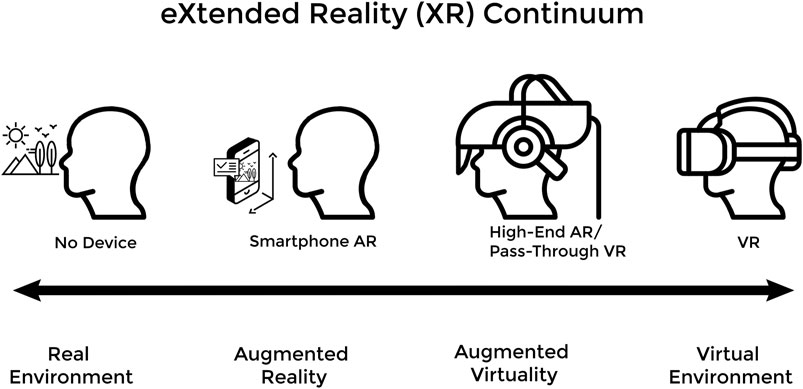
In the ever-evolving landscape of medical education, a new player has emerged, promising to revolutionize the way future doctors are trained. The integration of eXtended Reality (XR) technologies is reshaping the educational landscape by addressing the limitations of traditional methods.

Genetic Testing: A New Dawn in Healthcare

Genetic testing represents more than just a scientific advancement; it signifies a fundamental shift in how we approach health and wellness.

Sustainable Architecture: Blending Innovation with Ecological Responsibility

The journey toward sustainable architecture is ongoing, with each project serving as a beacon of what's achievable when creativity meets ecological awareness.

By |December 9, 2024|Categories: Architecture, Article, Sustainability|Tags: |0 Comments

AI in Clinical and Molecular Diagnostics: A Market on the Rise

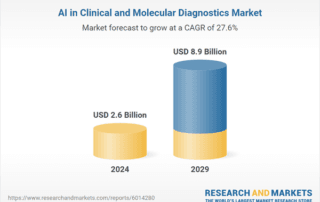
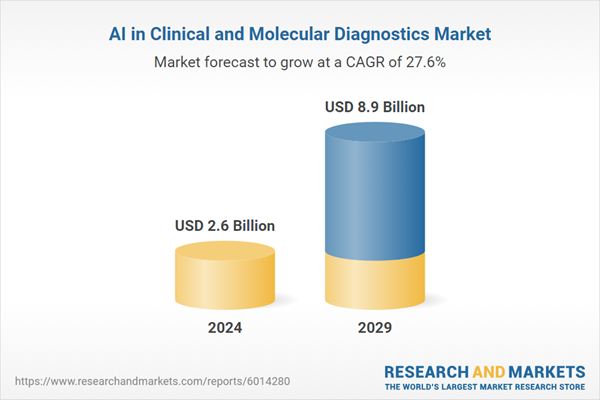
AI in Clinical and Molecular Diagnostics Market is set to experience remarkable growth, projected to surge from USD 2.6 billion in 2024 to USD 8.9 billion by 2029. This growth is driven by the integration of advanced AI technologies such as machine learning and deep learning into traditional diagnostic methodologies like imaging, genomics, and laboratory testing.

AI: A Revolution in Healthcare’s Future

AI is not a distant dream but a present reality, already integrated into everyday life through virtual assistants like Alexa and Siri. AI shows promise in enhancing medical accuracy, such as in predicting mesothelioma survival and improving colonoscopy accuracy, it is not intended to replace healthcare professionals.