Digital Health Technology: A New Frontier in Medical Education

In a world where Digital Health Technology (DHT) is rapidly transforming the landscape of healthcare, a recent study published by BMC Medical Education has shed light on a crucial gap in medical education. As hospitals and clinics increasingly adopt digital solutions, the question arises: Are medical schools preparing future physicians to harness the full potential of these technologies?
The study, titled “A landscape analysis of digital health technology in medical schools: preparing students for the future of health care,” conducted a comprehensive review of top-ranked medical schools worldwide. The findings, however, are rather surprising. Despite the growing importance of DHT, a mere handful of institutions have integrated these competencies into their curricula. The research highlights an untapped potential in medical education, urging a shift towards embracing digital innovations.

The Digital Health Revolution

The rise of wearables and telemedicine, accelerated by the COVID-19 pandemic, has placed DHT at the forefront of healthcare innovation. According to the original article, this technology encompasses a broad spectrum, from fitness trackers to advanced telemedicine platforms. Yet, the study reveals that none of the 60 analyzed medical schools explicitly mentioned DHT in their mission statements, underscoring a significant oversight.

Bridging the Educational Gap

The research underscores the need for a paradigm shift in medical education. While only four universities were found to offer courses related to DHT, the study emphasizes the importance of equipping future physicians with the skills to navigate and leverage these technologies. Institutions like Stanford University have taken steps in this direction, providing courses through their innovation arms, such as the Byers Center for Biodesign.

Looking Forward

As the healthcare landscape continues to evolve, the integration of DHT into medical curricula becomes imperative. The study calls for medical schools to align their educational offerings with the demands of modern healthcare, ensuring that graduates are well-prepared to enhance patient care through digital means.
For more insights, visit the full article and explore the peer review reports.

More Articles

Getting licensed or staying ahead in your career can be a journey—but it doesn’t have to be overwhelming. Grab your favorite coffee or tea, take a moment to relax, and browse through our articles. Whether you’re just starting out or renewing your expertise, we’ve got tips, insights, and advice to keep you moving forward. Here’s to your success—one sip and one step at a time!

Building an Integrated Approach to Real Estate Sustainability

Nearly 60% of global real estate CFOs lack the necessary data, processes, or internal controls to comply with current environmental regulations.

The Blockchain Revolution: Building the Future of Finance with DeFi

DeFi emerges as a beacon of transformation, promising to revolutionize how we interact with money. DeFi stands at the forefront, offering instant, transparent transactions without the constraints of conventional banking systems. This new paradigm opens doors to innovative investment opportunities and fosters a more inclusive global economy.

By |December 8, 2024|Categories: Article, Finance, Technology|Tags: , |0 Comments

Artificial Intelligence: A New Frontier in Neurological Care

AI's integration into neurology is not just a fleeting trend; it's a significant shift in how healthcare professionals approach complex neurological disorders.

By |December 8, 2024|Categories: Article, Healthcare, Technology|Tags: , |0 Comments

Celebrating Commitment to Physician Well-being

The American Medical Association (AMA) has recognized 62 health care organizations through its Joy in Medicine™ Health System Recognition Program. These organizations, representing over 140,000 physicians, have been acknowledged for their innovative strategies aimed at reducing stress and enhancing mental health among doctors.

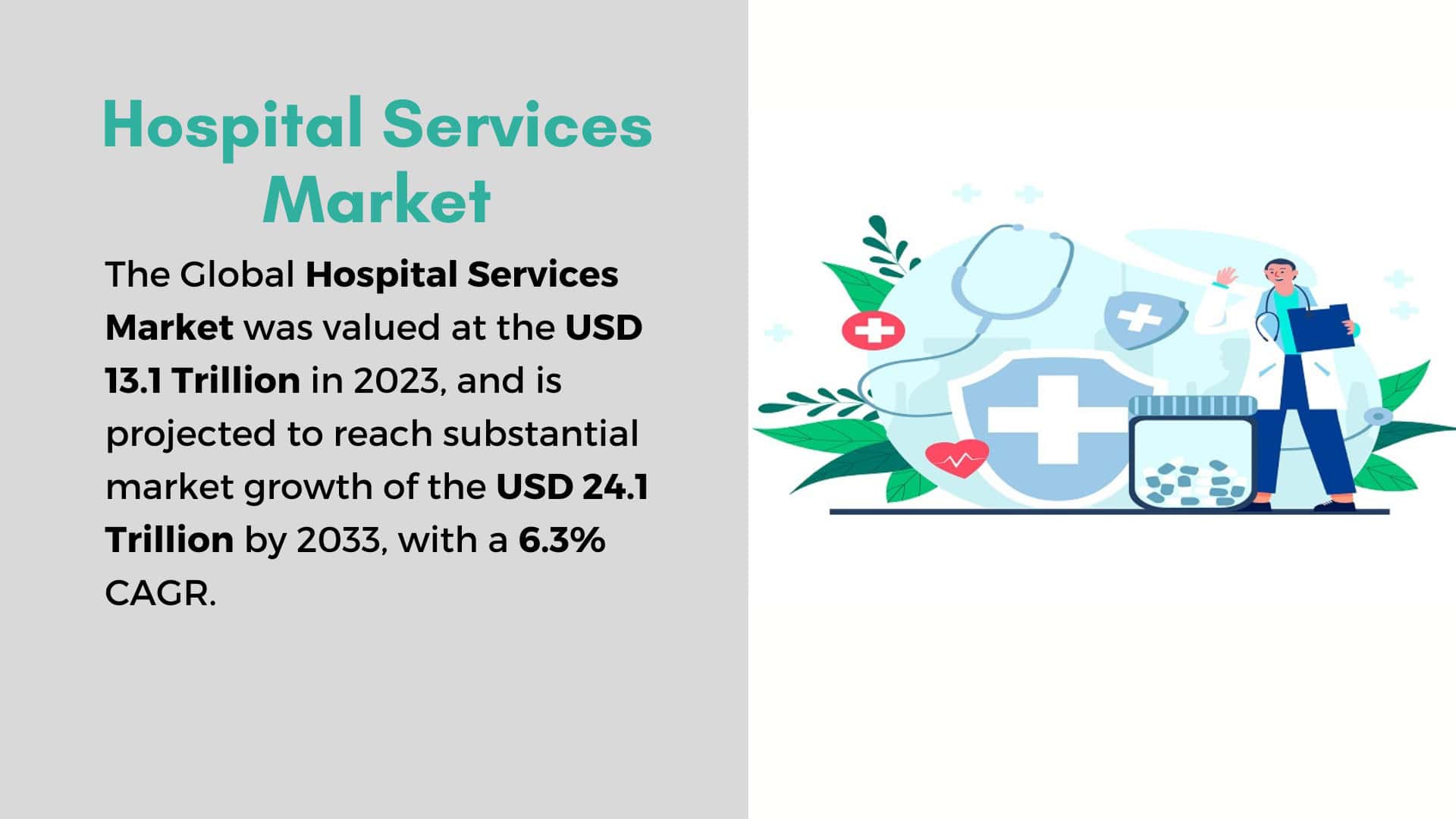
Global Hospital Services Market Set for Substantial Growth

The global hospital services market is undergoing a significant transformation, with projections indicating robust growth over the next decade. As of 2023, the market was valued at USD 13.1 trillion and is expected to soar to an impressive USD 24.1 trillion by 2033, boasting a compound annual growth rate (CAGR) of 6.3%. This optimistic forecast, reported by Market.us Media, is driven by advancements in medical technology, increased healthcare expenditures, and the rising prevalence of chronic diseases.

By |December 7, 2024|Categories: Article, Healthcare, Market Analysis|Tags: , |0 Comments

Unlocking the Potential of Modular Construction in Ontario’s Housing Market

In the bustling realm of Ontario's housing market, modular construction is emerging as a beacon of hope amid a pressing demand for new homes.


By |December 7, 2024|Categories: Article, Construction, Technology|Tags: , |0 Comments