“`html

Electric Vehicle Market Surges Amidst Economic and Environmental Challenges

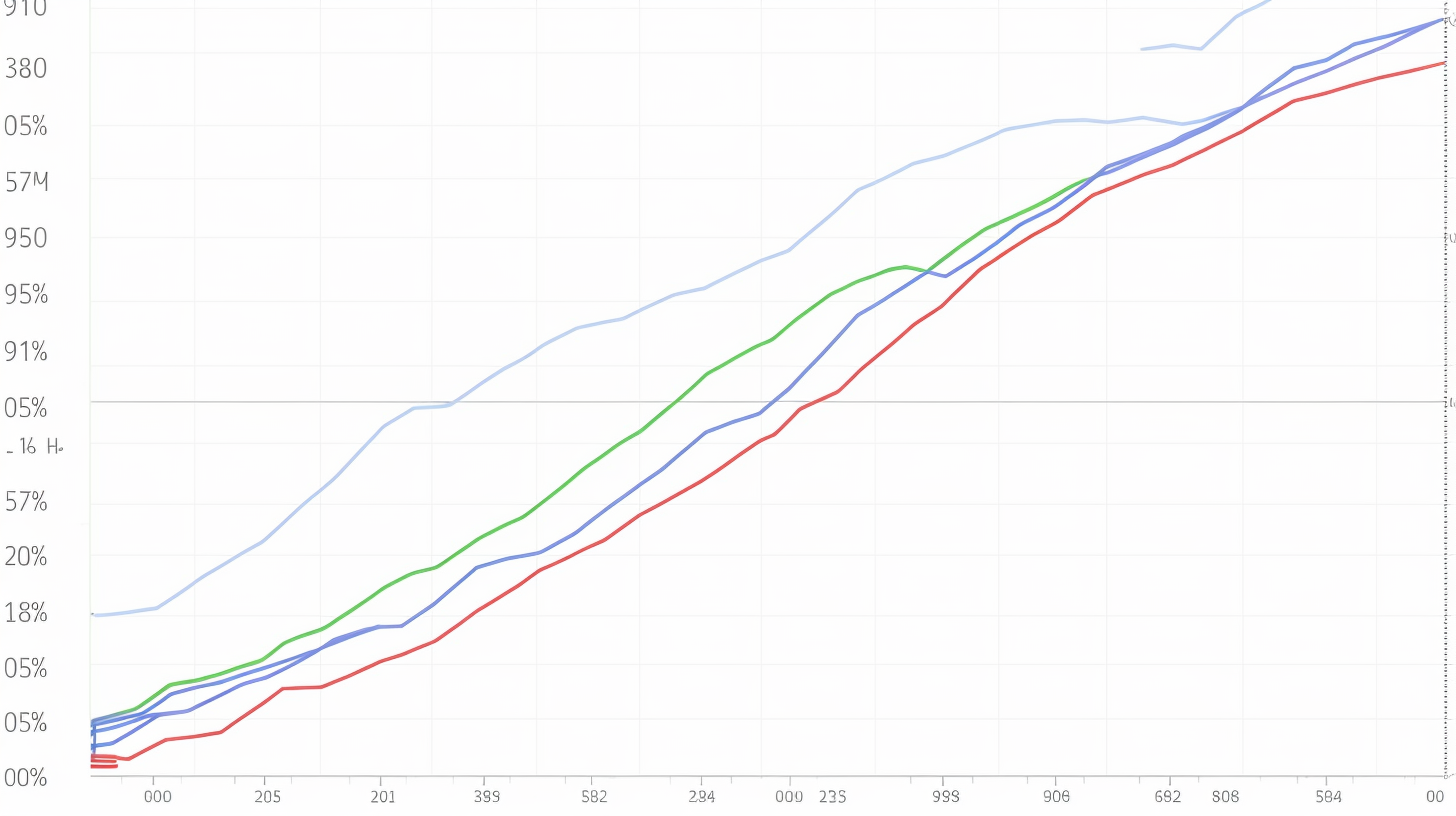
The global electric vehicle (EV) market is experiencing a remarkable transformation, driven by a combination of technological advancements, policy incentives, and growing environmental awareness. According to a report by the TRENDS Research & Advisory, sales of battery electric vehicles (BEVs) and plug-in hybrid electric vehicles (PHEVs) soared beyond 10 million in 2022, marking a 55% increase from the previous year. This surge underscores the rapid adoption of EVs despite challenges such as supply chain disruptions and fluctuating energy prices.

The Global EV Outlook 2023 by the International Energy Agency (IEA) highlights the pivotal role of government policies in this growth. The Electric Vehicles Initiative (EVI), established under the Clean Energy Ministerial, has been instrumental in promoting zero-emission government fleets, further accelerating the shift towards sustainable transport solutions.

Global Trends and Policy Efforts

In line with the IEA’s Stated Policies Scenario (STEPS), the global share of EV sales is projected to reach 35% by 2030, with China, the United States, and Europe leading the charge. This growth trajectory is bolstered by strategic legislation and expanding battery manufacturing capacities, aimed at meeting the rising demand for EVs.

Despite these positive trends, the market faces hurdles such as the high cost of EVs, limited charging infrastructure, and battery technology challenges. To address these issues, governments and private entities are investing in innovative business models and enhanced charging networks, as emphasized in Fayez Alanazi’s research on EV adaptation.

Environmental and Economic Implications

Electric vehicles are heralded as a crucial solution to reducing greenhouse gas emissions, a sentiment echoed in the Gemopai report. EVs offer zero tailpipe emissions, contributing significantly to cleaner air and a reduction in the carbon footprint of transportation.

However, the economic rationale for EV adoption is complex. A study by David S. Rapson and Erich Muehlegger from the National Bureau of Economic Research explores the balance between operational savings and the upfront costs of EVs. The study suggests that while subsidies and incentives are crucial, they must be tailored to regional energy policies and market dynamics to maximize their impact.

The Future of Electric Mobility

The hybrid vehicle market is also experiencing growth, with projections indicating a 14% increase by 2031. This trend, highlighted by Fact.MR, reflects a shift in consumer preferences towards eco-friendly transportation options, driven by rising environmental consciousness and fuel efficiency demands.

Looking ahead, the EV market is poised for substantial expansion, with forecasts predicting a market size of $56.7 trillion by 2050, as reported by Nasdaq. This growth is expected to transform the automobile and energy sectors, with Chinese manufacturers leading the charge in EV production and innovation.

Conclusion

The path to achieving net-zero emissions by 2050 is intricately linked to the widespread adoption of electric vehicles. As highlighted by McKinsey & Company, this transition presents both opportunities and challenges for automakers and policymakers alike. By navigating these complexities and fostering collaboration across sectors, the electric vehicle industry can drive meaningful progress towards a sustainable and low-carbon future.

“`

More Articles

Getting licensed or staying ahead in your career can be a journey—but it doesn’t have to be overwhelming. Grab your favorite coffee or tea, take a moment to relax, and browse through our articles. Whether you’re just starting out or renewing your expertise, we’ve got tips, insights, and advice to keep you moving forward. Here’s to your success—one sip and one step at a time!

Free Annual Florida Real Estate Sales Associate 63-Hour Pre-License Course Livestream: A Gateway to Your Real Estate Career

Cameron Academy is thrilled to offer the Free Annual Florida Real Estate Sales Associate 63-Hour Pre-License Course Livestream. This exclusive event is an opportunity for aspiring real estate professionals to gain expert instruction, access a comprehensive curriculum, and connect with a network of professionals in the industry. The course will be livestreamed from December 04-15, 2023, allowing you to participate from the comfort of your own home or office. Register now to secure your spot in this highly sought-after course. Spaces are limited, so early registration is highly recommended. Take the first step towards your real estate career today!

New President of Franchise Operations Welcomed at Coldwell Banker

Coldwell Banker, a renowned real estate brand, has recently appointed Jason Waugh as the new president of Coldwell Banker Affiliates. In his new role, Waugh will be responsible for overseeing the brand's strategy, operations, and sales for its growing network of franchises. This appointment comes as Coldwell Banker aims to further strengthen its position in the real estate market. With an impressive background in the industry, Waugh brings a wealth of experience to his new position. Previously associated with Berkshire Hathaway HomeServices and Berkshire Hathaway Home Services Real Estate Professionals for 18 years, Waugh's expertise and leadership qualities make him an ideal fit for this role.

2024 Conforming Loan Limits Raised by UWM: Insights for Homebuyers and the Housing Market

United Wholesale Mortgage (UWM), the country's leading lender, has increased its agency conforming loan limits to $750,000. This move, ahead of the Federal Housing Finance Agency's expected decision, applies to conventional and VA loans locked from October 11. The decision offers borrowers greater flexibility and access to larger loan amounts, with the benefits of conforming loans. These loans meet the guidelines set by government-sponsored enterprises like Fannie Mae and Freddie Mac, offering lower interest rates and more favorable terms compared to non-conforming or jumbo loans.

By |October 14, 2023|Categories: Mortgage Industry|Tags: |0 Comments

Cost-Cutting Strategy at PNC Bank Leads to Staff Layoffs

PNC Bank has implemented a cost-cutting strategy, leading to layoffs and a shift in focus towards expense management and strategic priorities. The bank aims to streamline operations, improve efficiency, and reallocate resources to align with long-term goals. Despite the layoffs, PNC Bank is committed to supporting affected employees during the transition period. Learn more about PNC Bank's strategy and its impact on the industry at Cameron Academy, a leading career education school.

By |October 13, 2023|Categories: Banking Industry|Tags: |0 Comments

GSE Loan Buybacks’ Effect on Lenders and the Mortgage Market

Government-sponsored enterprise (GSE) loan buybacks have emerged as a significant issue for lenders in the mortgage market. The sudden increase in buybacks from entities like Fannie Mae and Freddie Mac is causing financial and operational strain among lenders. The rise in loan buybacks is largely due to stricter underwriting guidelines enforced by these GSEs. The impact of these buybacks is significant and far-reaching. Lenders not only face financial losses from repurchasing loans, but they also encounter operational challenges. The surge in loan buybacks has created uncertainty in the mortgage market, potentially slowing down the housing market. In response to the challenges posed by loan buybacks, lenders are implementing stricter underwriting practices and enhancing their quality control processes.

By |October 13, 2023|Categories: Mortgage Market|Tags: |0 Comments

An Unexpected Slowdown in Housing Inventory Growth Amid Rising Mortgage Rates

The housing market is currently witnessing an unusual trend - a deceleration in the growth of housing inventory, despite the rise in mortgage rates. This unexpected development has triggered concerns among potential buyers and industry experts. With mortgage rates climbing from their historic lows, the number of homes available for sale remains surprisingly stagnant. We investigate the factors contributing to this unexpected stagnation in inventory growth and examine the implications of rising mortgage rates, limited new listings, and an increase in price cuts. We also consider the impact of external elements such as labor reports and geopolitical risks on the housing market.