Emerging Greenhouse Risks and Insurance Trends Shaping 2026
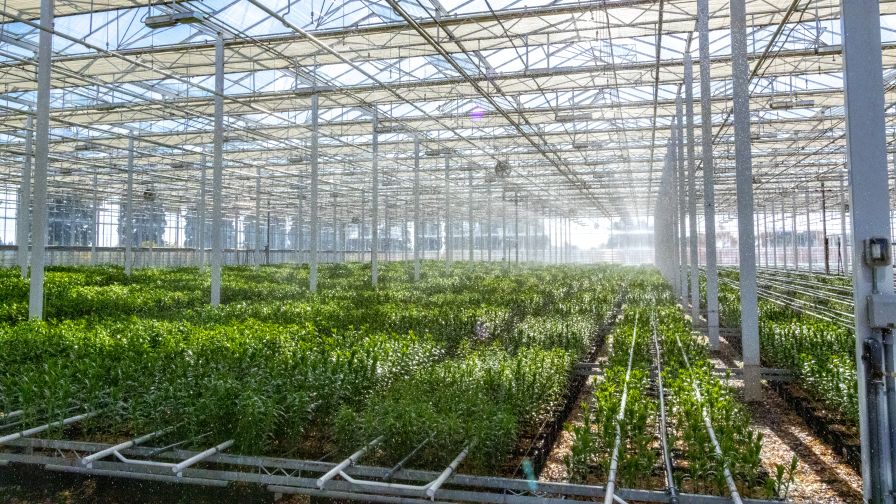
Modern commercial greenhouse irrigation system

The greenhouse industry is stepping into 2026 with more complex risks than we’ve seen in years. Rising insurance costs, increasingly erratic weather, cyber threats, supply chain instability, and labor challenges are converging all at once. For growers, the real impact comes not from any single threat, but from how these pressures overlap and amplify one another.

Our friends at Greenhouse Grower recently featured insights from Traci Dooley of Hortica, offering a forward-looking breakdown of the risk trends shaping 2026. Below, we expand on those findings — and how you can stay ahead.

Managing Accelerating Commercial Auto Costs

Commercial auto remains one of the fastest-growing insurance expenses for horticulture businesses. Modern high-tech vehicles cost more to repair, and multimillion-dollar verdicts continue to rise.

Key Exposures

  • Delivery trucks and shared-use vehicles
  • Employees using personal vehicles for work
  • Escalating litigation and liability awards

A strong risk plan includes: enhanced driver screening, recurring safety training, and disciplined vehicle maintenance. Annual policy reviews help keep expectations clear and actionable.

Technology That Strengthens Safety

Telematics and dash cams are no longer optional — they’re essential tools for protecting operators and clarifying claims.

For example, a Philadelphia retail florist avoided a costly claim thanks to dashcam footage proving their driver was not at fault. Another major horticulture company implemented in-cab cameras paired with a high-liability deductible — a bold move signaling their confidence in their safety culture.

Reassessing Greenhouse Property and Equipment Valuations

Inflation has dramatically altered the real cost of rebuilding or replacing greenhouse structures. Many operators unintentionally undervalue internal systems such as HVAC, irrigation, boilers, and environmental controls.

  • Structural frames, glazing, and roofing materials
  • Climate controls, plumbing, and electrical systems
  • Mobile equipment and shared-use machinery
  • Inventory including soil, media, tags, and fertilizers

Maintaining a current inventory and reviewing automatic increase provisions ensures insurance reflects today’s replacement costs — not outdated valuations.

Integrating Sustainability Into Business Protection

Sustainability is no longer a branding trend — it’s a core stability strategy. Efficient irrigation, recycling, reduced plastic use, and sustainable growing media improve long-term cost control and resilience.

Growers aiming to strengthen their sustainability strategy can leverage support tools like the resources available at Sustainabloom.

Tackling Rising Cyber Risks

Greenhouses are more connected than ever, from climate automation to handheld inventory devices. That connectivity creates new vulnerabilities — especially for smaller operations increasingly targeted by cybercriminals.

  • Enable multi-factor authentication
  • Perform regular backups, storing one off-site
  • Restrict access based on job role
  • Review cyber liability insurance carefully

Navigating Ongoing Supply Chain Instability

Disruptions continue affecting plastics, growing media, structural components, and replacement parts. Weather events and global tensions add layers of unpredictability.

  • Diversify suppliers
  • Partner with regional peers to share real-time insights
  • Build extra time into rebuilds and permitting

Managing Labor Risk and Seasonal Hiring Challenges

Labor remains a major constraint for growers. Compliance with hiring programs and contractor agreements is essential to preventing disputes, fines, and coverage complications.

  • Vet labor contractors thoroughly
  • Clarify transportation and housing responsibilities
  • Ensure contractors provide updated Certificates of Insurance

Preparing for Increasingly Extreme Weather

Weather volatility continues to accelerate, stressing greenhouse structures, drainage systems, and emergency power readiness. After major events, contractors and materials become scarce — extending recovery time.

  • Refresh safety training before peak seasons
  • Conduct structural and drainage inspections
  • Review business interruption coverage

Building a More Resilient 2026

The strongest greenhouse operators treat risk management as a year-round discipline. Early preparation, ongoing evaluation, and strong insurance partnerships create stability — even in volatile conditions.

Whether you’re managing a greenhouse, a real estate business, or another licensed profession, staying educated is your greatest advantage. At Cameron Academy, we empower professionals with industry-leading licensing and continuing education programs designed to keep you ahead of emerging risks and compliance shifts.

To explore the original insights from Traci Dooley of Hortica, visit the full article at Greenhouse Grower:
Emerging Greenhouse Risk and Insurance Trends for 2026.


More Articles

Getting licensed or staying ahead in your career can be a journey—but it doesn’t have to be overwhelming. Grab your favorite coffee or tea, take a moment to relax, and browse through our articles. Whether you’re just starting out or renewing your expertise, we’ve got tips, insights, and advice to keep you moving forward. Here’s to your success—one sip and one step at a time!

Settlements for RE/MAX and Anywhere Real Estate Commission Lawsuits Receive Court Approval

In a landmark decision, the court has preliminarily approved settlement agreements in the commission lawsuits involving real estate companies RE/MAX and Anywhere Real Estate. The agreements require RE/MAX to pay $55 million and Anywhere Real Estate to pay $83.5 million. As part of the settlements, both companies will implement significant policy and practice changes, including the elimination of the requirement for agents to be members of the National Association of Realtors. This change will provide agents with more flexibility and independence in their business practices. The settlements have far-reaching implications for the real estate industry, fostering a more dynamic and customer-centric real estate market.

By |November 30, 2023|Categories: Real Estate Industry|Tags: |0 Comments

Strong Housing Market Indicated by Soaring Housing Starts and Permits in October

The housing market saw a remarkable increase in housing starts and permits in October, pointing to a positive industry trend. This surge suggests a growing demand among Americans for homeownership, prompting builders to respond by ramping up their construction efforts. However, builder confidence has been somewhat dampened by elevated mortgage rates. The housing market's performance varied across different regions in the United States, highlighting the diverse nature of the housing market and the various factors influencing construction trends.

By |November 30, 2023|Categories: Housing Market Trends|Tags: |0 Comments

Advanced Empower Loan Origination System Implemented by CUSO Home Lending

CUSO Home Lending has implemented Dark Matter Technologies' advanced Empower loan origination system, revolutionizing the credit union lending process. The Empower system streamlines loan applications, automates document collection and verification, and facilitates seamless communication between borrowers, loan officers, and underwriters. With robust security measures and full compliance with industry regulations, the system ensures the protection of sensitive information. This move highlights the importance of embracing digital transformation in the lending industry.

By |November 30, 2023|Categories: Credit Union Lending|Tags: |0 Comments

No-Cost Appraisals on 1-0 Temporary Rate Buydowns: A New Initiative by United Wholesale Mortgage (UWM)

United Wholesale Mortgage (UWM), a leading wholesale lender in the mortgage industry, has launched a new initiative offering no-cost appraisals on 1-0 temporary rate buydowns. This strategic move aims to attract more brokers by covering up to $600 of the appraisal cost on all conventional and government-backed home loans. Temporary rate buydowns allow borrowers to pay a lower mortgage rate during the initial period of their loans, making homeownership more affordable. This limited-time opportunity until March 31 provides brokers with a unique value proposition for their clients. Ready to explore the benefits of UWM's temporary rate buydowns and no-cost appraisals? Connect with UWM today.

By |November 29, 2023|Categories: Mortgage Industry|Tags: |0 Comments

Triumphant Leadership: Mark Willis Returns as CEO of Keller Williams

Mark Willis has made a significant leadership change by returning as the CEO of Keller Williams, a leading player in the real estate industry. This news marks a triumphant comeback for Willis, who previously served as the CEO of Keller Williams from 2005 to 2014. Armed with extensive experience and a proven track record, Willis aims to steer Keller Williams towards continued success and navigate the challenges facing the real estate industry. This article will delve into Willis' career history, the growth of Keller Williams under his leadership, and the current landscape of the real estate market.

Collusion in Real Estate Industry Exposed by Texas Commission Lawsuit

A recent lawsuit in Texas has sent shockwaves through the real estate industry, shedding light on alleged collusion among individual brokers, real estate teams, and large corporate brokerages. The lawsuit, filed by the QJ Team and other plaintiffs, accuses these entities of artificially inflating real estate agent commissions. The real estate industry has been rocked by a series of commission lawsuits in recent years, but the QJ Team lawsuit stands out due to its comprehensive list of defendants. The QJ Team lawsuit alleges that the defendants engaged in collusion to artificially inflate real estate agent commissions, thereby restricting competition and harming consumers. The plaintiffs claim that these entities conspired to set and maintain high commission rates, limiting the ability of homebuyers and sellers to negotiate fair prices. If proven true, these allegations could have far-reaching consequences for the real estate industry in Texas.