Emerging Greenhouse Risks and Insurance Trends Shaping 2026
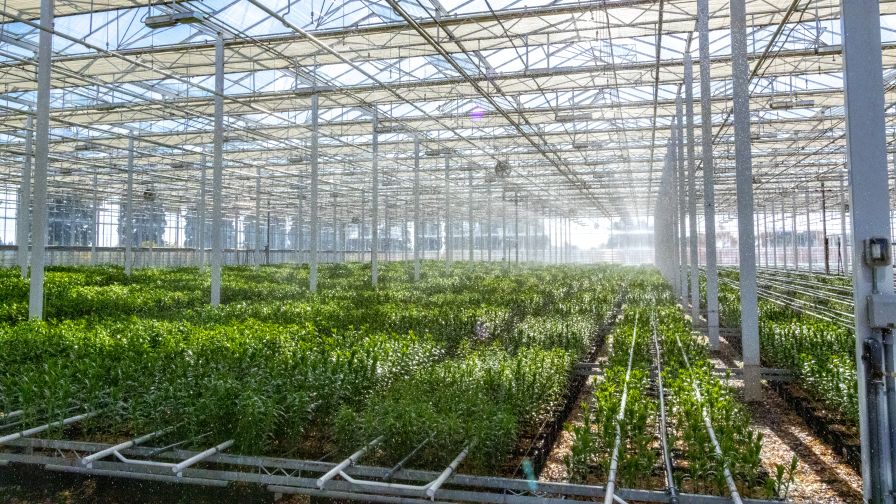
Modern commercial greenhouse irrigation system

The greenhouse industry is stepping into 2026 with more complex risks than we’ve seen in years. Rising insurance costs, increasingly erratic weather, cyber threats, supply chain instability, and labor challenges are converging all at once. For growers, the real impact comes not from any single threat, but from how these pressures overlap and amplify one another.

Our friends at Greenhouse Grower recently featured insights from Traci Dooley of Hortica, offering a forward-looking breakdown of the risk trends shaping 2026. Below, we expand on those findings — and how you can stay ahead.

Managing Accelerating Commercial Auto Costs

Commercial auto remains one of the fastest-growing insurance expenses for horticulture businesses. Modern high-tech vehicles cost more to repair, and multimillion-dollar verdicts continue to rise.

Key Exposures

  • Delivery trucks and shared-use vehicles
  • Employees using personal vehicles for work
  • Escalating litigation and liability awards

A strong risk plan includes: enhanced driver screening, recurring safety training, and disciplined vehicle maintenance. Annual policy reviews help keep expectations clear and actionable.

Technology That Strengthens Safety

Telematics and dash cams are no longer optional — they’re essential tools for protecting operators and clarifying claims.

For example, a Philadelphia retail florist avoided a costly claim thanks to dashcam footage proving their driver was not at fault. Another major horticulture company implemented in-cab cameras paired with a high-liability deductible — a bold move signaling their confidence in their safety culture.

Reassessing Greenhouse Property and Equipment Valuations

Inflation has dramatically altered the real cost of rebuilding or replacing greenhouse structures. Many operators unintentionally undervalue internal systems such as HVAC, irrigation, boilers, and environmental controls.

  • Structural frames, glazing, and roofing materials
  • Climate controls, plumbing, and electrical systems
  • Mobile equipment and shared-use machinery
  • Inventory including soil, media, tags, and fertilizers

Maintaining a current inventory and reviewing automatic increase provisions ensures insurance reflects today’s replacement costs — not outdated valuations.

Integrating Sustainability Into Business Protection

Sustainability is no longer a branding trend — it’s a core stability strategy. Efficient irrigation, recycling, reduced plastic use, and sustainable growing media improve long-term cost control and resilience.

Growers aiming to strengthen their sustainability strategy can leverage support tools like the resources available at Sustainabloom.

Tackling Rising Cyber Risks

Greenhouses are more connected than ever, from climate automation to handheld inventory devices. That connectivity creates new vulnerabilities — especially for smaller operations increasingly targeted by cybercriminals.

  • Enable multi-factor authentication
  • Perform regular backups, storing one off-site
  • Restrict access based on job role
  • Review cyber liability insurance carefully

Navigating Ongoing Supply Chain Instability

Disruptions continue affecting plastics, growing media, structural components, and replacement parts. Weather events and global tensions add layers of unpredictability.

  • Diversify suppliers
  • Partner with regional peers to share real-time insights
  • Build extra time into rebuilds and permitting

Managing Labor Risk and Seasonal Hiring Challenges

Labor remains a major constraint for growers. Compliance with hiring programs and contractor agreements is essential to preventing disputes, fines, and coverage complications.

  • Vet labor contractors thoroughly
  • Clarify transportation and housing responsibilities
  • Ensure contractors provide updated Certificates of Insurance

Preparing for Increasingly Extreme Weather

Weather volatility continues to accelerate, stressing greenhouse structures, drainage systems, and emergency power readiness. After major events, contractors and materials become scarce — extending recovery time.

  • Refresh safety training before peak seasons
  • Conduct structural and drainage inspections
  • Review business interruption coverage

Building a More Resilient 2026

The strongest greenhouse operators treat risk management as a year-round discipline. Early preparation, ongoing evaluation, and strong insurance partnerships create stability — even in volatile conditions.

Whether you’re managing a greenhouse, a real estate business, or another licensed profession, staying educated is your greatest advantage. At Cameron Academy, we empower professionals with industry-leading licensing and continuing education programs designed to keep you ahead of emerging risks and compliance shifts.

To explore the original insights from Traci Dooley of Hortica, visit the full article at Greenhouse Grower:
Emerging Greenhouse Risk and Insurance Trends for 2026.


More Articles

Getting licensed or staying ahead in your career can be a journey—but it doesn’t have to be overwhelming. Grab your favorite coffee or tea, take a moment to relax, and browse through our articles. Whether you’re just starting out or renewing your expertise, we’ve got tips, insights, and advice to keep you moving forward. Here’s to your success—one sip and one step at a time!

Escalating Risk of Fraud in the Title Industry

The title industry is facing a growing threat of fraud, driven by the decrease in transactions. With fewer transactions taking place, the percentage of potential fraud per file has significantly increased. It is crucial for industry professionals and consumers to be aware of the risks and take necessary precautions to safeguard their interests. In this article, we explore the two primary types of fraud that are becoming more prevalent in the title industry: escrow account manipulation and seller impersonation fraud. We also discuss the strategies being implemented to combat fraud and the importance of collaboration among industry stakeholders. By understanding the evolving landscape of fraud in the title industry and staying informed about the latest prevention measures, individuals can protect themselves and ensure the integrity of real estate transactions.

By |October 30, 2023|Categories: Title Industry Fraud Prevention|Tags: |0 Comments

Interest Rate Hikes: Philadelphia Federal Reserve President Advocates for a Pause

Philadelphia Federal Reserve President Patrick Harker is advocating for a pause in the ongoing cycle of interest rate hikes. He believes the central bank should assess the impact of previous increases on the economy before proceeding further. His stance reflects concerns about potential harm to economic growth. The Federal Reserve is under pressure to continue raising interest rates to prevent the economy from overheating and to keep inflation in check. However, Harker believes the current pace of rate hikes may be too aggressive. This article delves deeper into Harker's stance and the ongoing debate within the Federal Reserve.

By |October 29, 2023|Categories: Monetary Policy|Tags: |0 Comments

Value Takes Center Stage for Real Estate Brokers Amid Commission Lawsuit Uncertainty

The real estate industry is currently facing a class-action commission lawsuit, prompting major companies to reevaluate their strategies. Regardless of the lawsuit's outcome, real estate brokers are focusing on the value they bring to clients and preparing for potential changes in the industry. Brokers are prioritizing transparency and educating clients about the importance of real estate agents. They are implementing various strategies to adapt to potential industry changes and ensure they continue to provide exceptional service. Real estate brokers are proactively addressing the uncertainty brought about by the commission lawsuit. They are prioritizing transparency, education, and diversification to ensure they continue to deliver exceptional service and remain valuable partners to their clients. By adapting to potential industry changes, brokers are embracing the evolving landscape of the real estate industry and positioning themselves for continued success.

Blend IMB Essentials: A Cost-Effective Solution for Retail Independent Mortgage Banks

Blend, a prominent player in the digital lending technology space, has recently introduced Blend IMB Essentials, a lower-cost version of its mortgage suite specifically designed for retail independent mortgage banks (IMBs). This new offering aims to provide a more affordable solution for smaller lenders while still incorporating many of the features found in Blend's standard offering. One of the key features of Blend IMB Essentials is its ability to streamline the mortgage application process for retail IMBs. By pulling soft credits instead of tri-merge credits during the initial phase of the application, Blend IMB Essentials reduces costs and saves time for both lenders and borrowers. This innovative approach enhances operational efficiency and allows lenders to focus on providing a seamless experience for their clients.

By |October 28, 2023|Categories: Digital Lending Technology|Tags: |0 Comments

Insights into New Mortgage Servicing Regulations, Basel III, and CFPB Funding

The forthcoming changes in mortgage servicing regulations, proposed updates to Basel III, and discussions surrounding the funding structure of the Consumer Financial Protection Bureau (CFPB) have been making waves in the financial industry. In this article, we delve into the key points raised by CFPB Director Rohit Chopra and explore the potential implications of these developments on the mortgage industry. As the COVID-19 pandemic continues to impact borrowers, enhancing consumer protections and ensuring that mortgage servicers provide clearer and more timely information has become crucial. The proposed amendments to the mortgage servicing rules aim to address these concerns and establish better communication channels regarding loss mitigation options and foreclosure prevention measures.

Implications of the 8% Mortgage for Homebuyers and the Housing Market

The mortgage rates for 30-year fixed-rate loans have surged to 8%, a level not seen since 2007. This sudden increase has far-reaching implications for homebuyers, homebuilders, and the overall housing market. The rise in mortgage rates means a higher cost of borrowing, making homeownership more expensive for potential buyers. Homebuilders are also likely to face challenges due to these higher mortgage rates. As the cost of borrowing increases, the demand for new homes may decline, leading to a slowdown in new home construction. Cameron Academy provides comprehensive insights into these market changes, helping both homebuyers and homebuilders navigate these challenging times.

By |October 27, 2023|Categories: Real Estate Industry|Tags: |0 Comments